
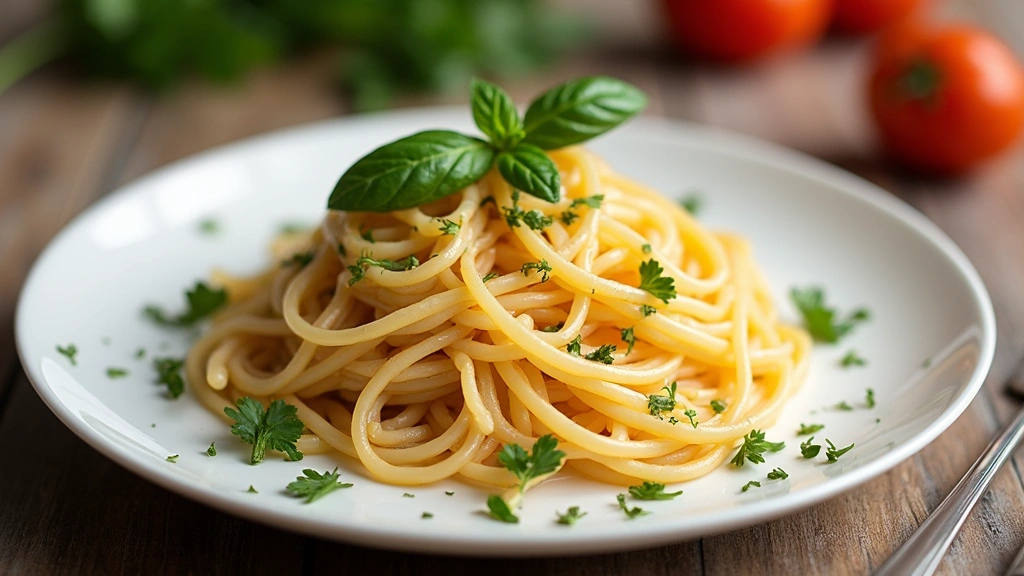


The classic Simple Angel Hair pasta is a testament to the elegance of simplicity in Italian cuisine.
Its delicate texture and quick-cooking nature make it an ideal choice for busy nights when time is of the essence.
The subtle interplay of olive oil, garlic, and fresh herbs creates a dish that is both light and fulfilling.
I stumbled upon this recipe during a culinary class in Rome, where the chef emphasized the beauty of minimalism in cooking.
Perfect for a cozy family meal or a quick, satisfying dinner for one, this recipe offers impressive flavors with minimal effort.
The History and Cultural Significance
• Simple Angel Hair traces its origins to Southern Italy in the early 19th century, where it was originally created by local artisans using traditional pasta-making techniques.
• The dish evolved over decades as the introduction of tomatoes and garlic became popular, eventually becoming the beloved version we know today.
• In Italian culture, this dish traditionally appears at family gatherings, symbolizing unity and the sharing of simple pleasures.
• While many variations exist across different regions, the authentic version maintains its light, delicate texture that sets it apart from imitations.


Recipe Overview
Nutritional Information (per serving)



Essential Equipment Guide
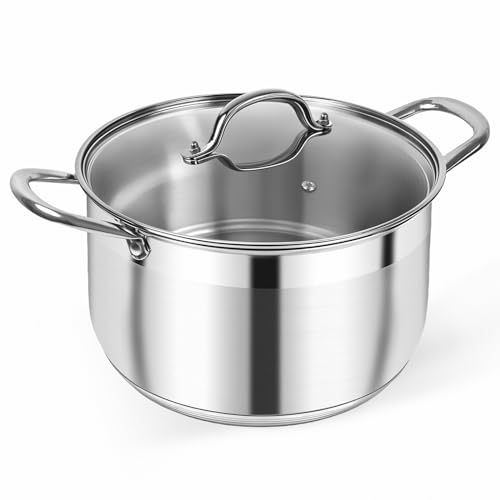
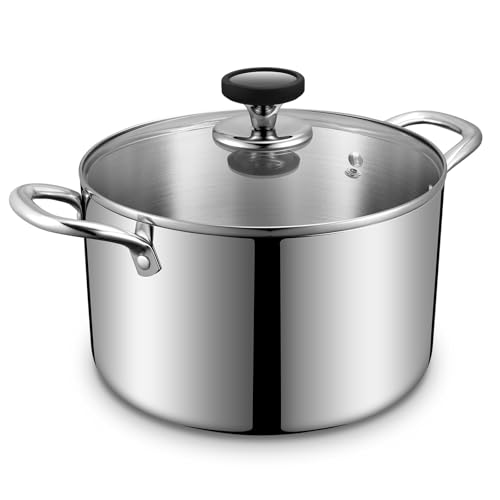
Pasta Pot: A large, heavy-bottomed pot is essential for boiling pasta evenly and efficiently. Look for one with a tight-fitting lid and sturdy handles for easy maneuvering.
Colander: Necessary for draining the pasta quickly to prevent overcooking. A colander with wide holes ensures fast drainage.
Large Skillet: Important for finishing the pasta with the sauce. It allows for even heating and easy tossing of ingredients.


Ingredients
For the Base
|
|
| Amount | Ingredient | Notes |
|---|---|---|
| 12 ounces | angel hair pasta | delicate and quick-cooking |
| 2 tablespoons | olive oil | extra virgin, adds richness |
Sauce
| Amount | Ingredient | Notes |
|---|---|---|
| 3 cloves | garlic | minced, aromatic foundation |
| 1/4 teaspoon | red pepper flakes | adds gentle heat |
| 1/4 cup | fresh parsley | chopped, vibrant flavor |
| 1/4 cup | grated Parmesan | adds umami and creaminess |
Seasonings
| Amount | Ingredient | Notes |
|---|---|---|
| 1 teaspoon | salt | enhances flavor |
| 1/2 teaspoon | black pepper | freshly ground, adds depth |
Preparation Methods
Emulsifying: This technique involves combining oil and pasta water to create a cohesive sauce. It is crucial for coating the pasta evenly, ensuring each strand absorbs the flavors.
Chiffonade: A technique for slicing herbs into thin ribbons. It enhances the presentation and maximizes the release of essential oils from the herbs.
Finishing in the Sauce: Cooking the pasta briefly in the sauce allows it to absorb flavors more deeply, resulting in a harmonious dish.



Step 1: Boil Water

Fill a large pot with water and bring it to a rolling boil over high heat.
Add salt generously to season the pasta as it cooks.
Wait until the water reaches a full boil before adding the pasta.
Properly seasoned water is crucial for flavorful pasta.
Step 2: Cook Pasta

Add the angel hair pasta to the boiling water.
Stir gently to prevent clumping.
Cook for 2-3 minutes until al dente.
Pasta should be tender yet firm to the bite.
Step 3: Drain Pasta

Use a colander to drain the cooked pasta quickly.
Reserve 1/2 cup of pasta water for the sauce.
Shake the colander gently to remove excess water.
Pasta should remain moist but not soggy.
Step 4: Heat Olive Oil

In a large skillet, heat olive oil over medium heat.
Add minced garlic and sauté until fragrant.
Be careful not to let the garlic brown.
Properly heated oil should shimmer and sizzle when garlic is added.
Step 5: Add Red Pepper Flakes

Sprinkle red pepper flakes into the skillet.
Stir to combine with the garlic and oil.
Cook for 30 seconds to release their flavor.
The aroma should become slightly spicy without burning.
Step 6: Combine Pasta and Sauce

Add the drained pasta to the skillet with the garlic oil.
Pour in reserved pasta water to help emulsify the sauce.
Toss gently to coat the pasta evenly.
Pasta should glisten with a light, cohesive sauce.
Step 7: Add Herbs and Cheese

Sprinkle chopped parsley and grated Parmesan over the pasta.
Toss again to incorporate the herbs and cheese.
The cheese should melt slightly, binding the sauce.
Herbs should be evenly distributed for a fresh flavor.
Step 8: Serve Immediately

Transfer the pasta to serving plates.
Garnish with additional parsley and Parmesan if desired.
Serve while hot to enjoy peak flavors.
Pasta should appear vibrant and inviting.
Critical Timing and Temperature Guide
Boiling Pasta: Boil pasta for exactly 2-3 minutes. Look for a tender yet firm texture. Avoid overcooking which results in mushy pasta.
Sautéing Garlic: Heat garlic in oil until just fragrant, about 1-2 minutes. Golden color indicates readiness. Avoid burning which results in bitterness.
Emulsifying Sauce: Combine pasta with sauce over medium heat for 1-2 minutes. Look for a glossy, cohesive sauce. Avoid high heat to prevent separation.
Pro Tips for Simple Angel Hair
• Ingredient Selection: Choose high-quality extra virgin olive oil and freshly grated Parmesan for the best flavor impact.
• Preparation Secret: Briefly toast the red pepper flakes in oil to enhance their aromatic qualities.
• Temperature Management: Ensure the skillet is preheated but not too hot to prevent burning delicate ingredients like garlic.
• Texture Enhancement: Finish cooking the pasta in the sauce to achieve a perfect al dente texture that absorbs flavors.
• Flavor Layering: Use reserved pasta water to bind and enhance the sauce, adding depth and richness.
• Make-Ahead Strategies: Prepare garlic oil in advance and store it in the refrigerator for up to a week.
• Restaurant-Quality Finishing Touches: Garnish with freshly cracked black pepper and a drizzle of high-quality olive oil before serving.
• Equipment Optimization: Use a large skillet to allow even heat distribution and easy tossing of pasta.
Troubleshooting Common Issues
• Pasta Sticking Together: Occurs if not stirred initially. Ensure to stir pasta immediately after adding it to boiling water.
• Garlic Burning: Caused by overheating. Reduce heat and add garlic to oil when it's hot but not smoking.
• Sauce Too Thin: Results from insufficient pasta water. Gradually add more until desired consistency is achieved.
• Pasta Overcooked: Happens if left in water too long. Set a timer and taste for al dente to prevent.
• Lacks Flavor: Due to under-seasoning. Adjust salt and pepper to taste, and ensure quality olive oil is used.
• Cheese Clumping: Occurs if added to cold pasta. Add cheese to hot pasta to ensure even melting.
Variations and Regional Differences
• Sicilian Style: Incorporates anchovies and capers, adding a briny depth to the dish.
• Vegetarian Twist: Includes sautéed mushrooms and spinach for added earthiness and nutrition.
• Spicy Calabrian: Utilizes Calabrian chili paste for a fiery kick.
• Coastal Ligurian: Features fresh seafood such as shrimp and clams, highlighting regional seafood bounty.
Food Science Behind the Recipe
• Starch Release: Cooking pasta releases starch into the water, which helps thicken the sauce when combined.
• Maillard Reaction: Sautéing garlic initiates this reaction, enhancing flavor through browning.
• Emulsification: The combination of oil and pasta water creates a stable sauce that clings to the pasta.
Frequently Asked Questions
What's the most common mistake people make when preparing Simple Angel Hair? Overcooking the pasta, resulting in a mushy texture. Timely monitoring is key.
Can I use whole wheat pasta instead? Yes, but be aware that it requires a slightly longer cooking time and offers a different texture.
Why is my sauce separating? This may occur if the oil is too hot or the pasta water is not used. Ensure proper emulsification.
How can I make this dish gluten-free? Substitute with gluten-free pasta varieties, adjusting cooking time as needed.
What's the best way to store leftovers? Store in an airtight container in the refrigerator for up to 2 days. Reheat gently.
Can I add protein to this recipe? Absolutely! Grilled chicken or shrimp are excellent additions.
What's the ideal pasta-to-sauce ratio? Aim for a light coating on each strand, avoiding overly sauced pasta.
Serving and Presentation Guide
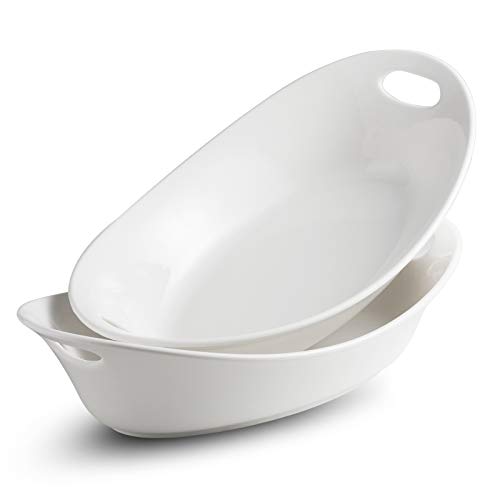
• Traditional Presentation: Serve in a shallow, wide bowl to keep pasta warm and allow for even distribution of sauce.
• Modern Twist: Plate with a sprinkle of microgreens for color contrast and freshness.
• Family Style: Present in a large serving bowl at the center of the table for communal sharing.
• Gourmet Touch: Use a ring mold to shape pasta into a neat mound, topped with shaved Parmesan.




Conclusion
Simple Angel Hair pasta offers a quick and satisfying meal option that doesn’t compromise on flavor.
With its delicate texture and aromatic sauce, it’s sure to become a staple in your weeknight rotation.
I encourage you to try this recipe and discover the joy of creating a delicious dish with minimal ingredients and maximum taste.