
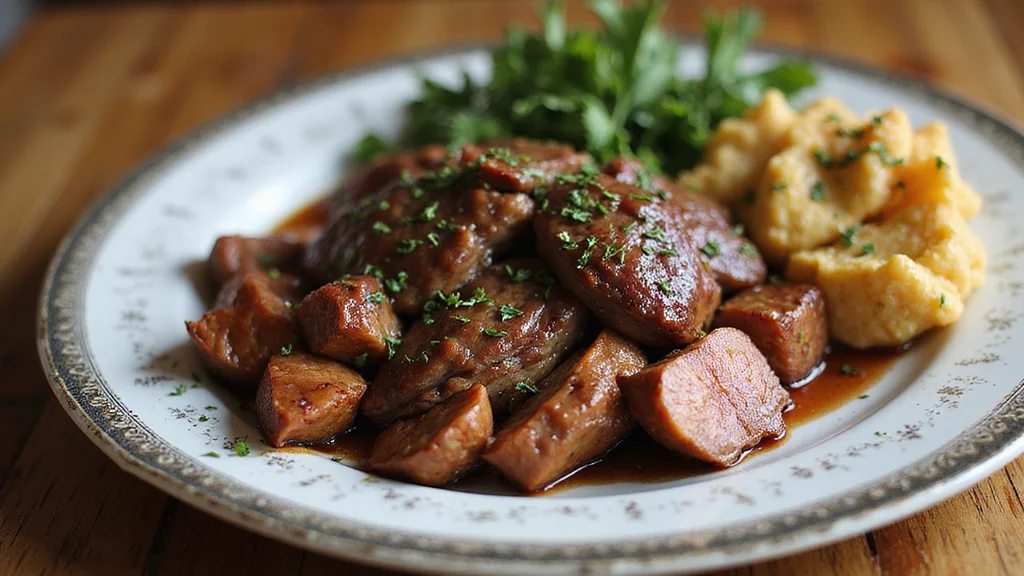


There’s something truly magical about a perfectly cooked chuck roast.
Its melt-in-your-mouth tenderness combined with rich flavors captures the essence of comfort food.
I first encountered this delightful dish during a cozy winter gathering with family, where it stole the show with its hearty appeal.
The warm aromas filled the room, promising a meal that was both satisfying and soulful.
Whether it’s a special occasion or just a comforting meal on a chilly evening, the chuck roast is a timeless classic that never disappoints.
The History and Cultural Significance
• Chuck Roast Recipes traces its origins to the early American settlers, who utilized every part of the cattle for sustenance.
• The dish evolved over decades as cooking techniques improved, with the addition of herbs and vegetables enhancing its flavor.
• In American culture, this dish traditionally appears at Sunday family dinners, symbolizing warmth and togetherness.
• While many variations exist across different regions, the authentic version maintains its slow-cooked, tender meat characteristic that sets it apart from imitations.



Recipe Overview
Nutritional Information (per serving)



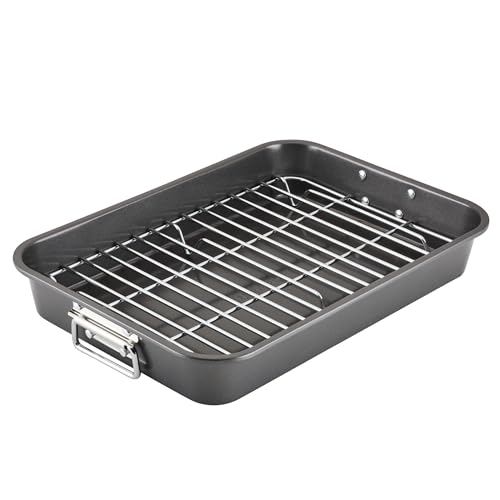
Essential Equipment Guide
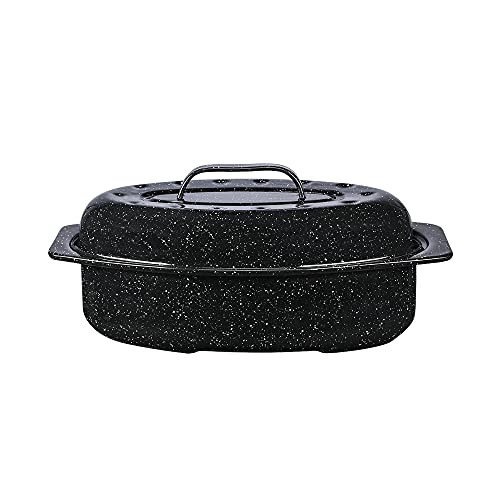
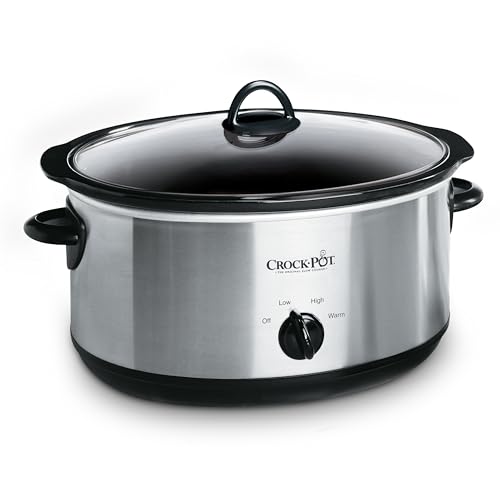
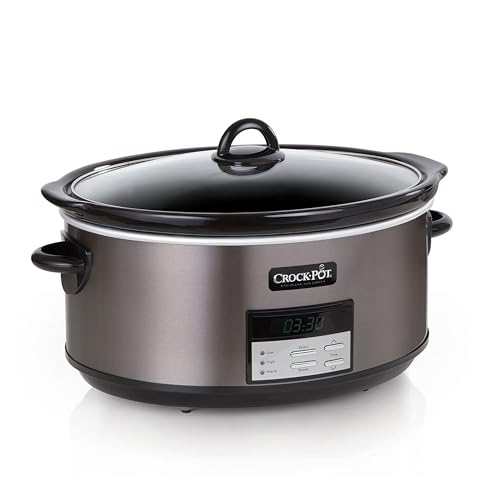
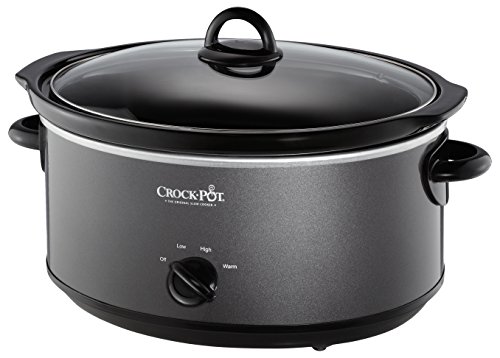
Heavy-Duty Dutch Oven: This tool is crucial for maintaining even heat distribution during the slow cooking process, ensuring the meat becomes tender and flavorful. Alternatives like a slow cooker can also work, though they may not achieve the same depth of flavor.
Meat Thermometer: Essential for checking the internal temperature to ensure the meat is cooked to perfection. Look for one with an instant-read feature for accurate and quick readings.
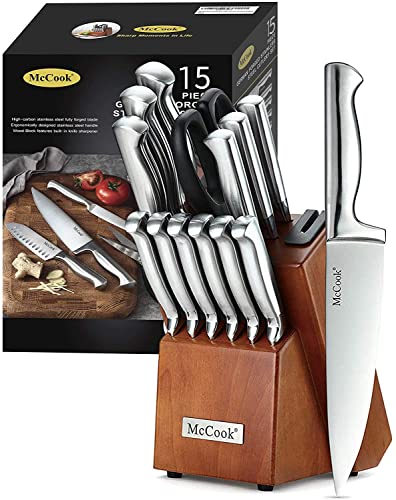
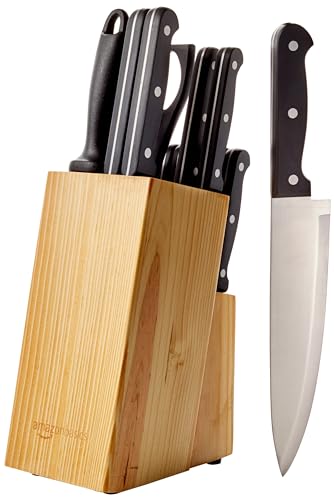
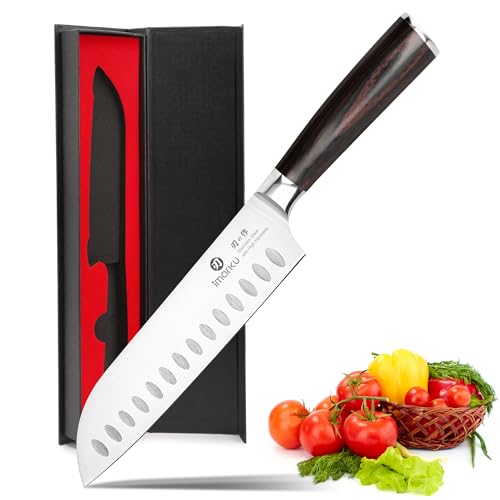
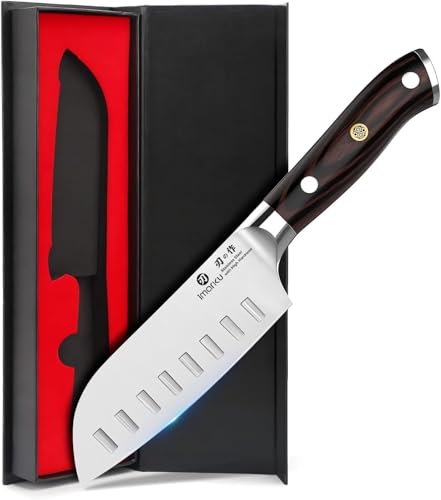
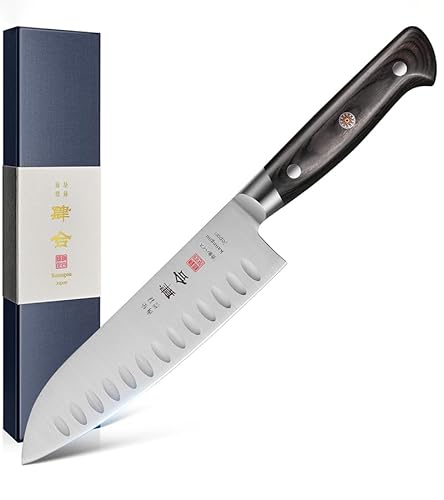
Sharp Chef’s Knife: Necessary for preparing ingredients with precision. A well-balanced knife makes cutting and chopping more efficient and safer.


Ingredients
For the Base
|
|
| Amount | Ingredient | Notes |
|---|---|---|
| 3 pounds | chuck roast | trimmed of excess fat |
| 2 tablespoons | olive oil | for searing |
For the Sauce
| Amount | Ingredient | Notes |
|---|---|---|
| 1 cup | red wine | adds depth of flavor |
| 2 cups | beef broth | richness to the sauce |
Vegetables
| Amount | Ingredient | Notes |
|---|---|---|
| 3 medium | carrots | cut into chunks |
| 2 large | potatoes | cut into quarters |
| 1 large | onion | sliced |
Seasonings
| Amount | Ingredient | Notes |
|---|---|---|
| 3 cloves | garlic | minced for aroma |
| 2 teaspoons | dried thyme | earthy notes |
| 1 teaspoon | salt | enhances flavor |
| 1 teaspoon | black pepper | adds heat |



Preparation Methods
Searing the Meat: Searing the chuck roast before slow cooking locks in juices and adds a caramelized crust that enhances the overall flavor of the dish. Ensure the pan is hot enough to create a good sear without burning.
Deglazing: This technique involves adding liquid (like wine or broth) to the hot pan to lift the browned bits, known as fond, which are full of flavor. It’s crucial for creating a rich sauce base.
Slow Cooking: Cooking the roast at a low temperature over several hours ensures the connective tissues break down, resulting in a tender, juicy meat texture. Patience is key to mastering this technique.





Step 1: Prepare Ingredients
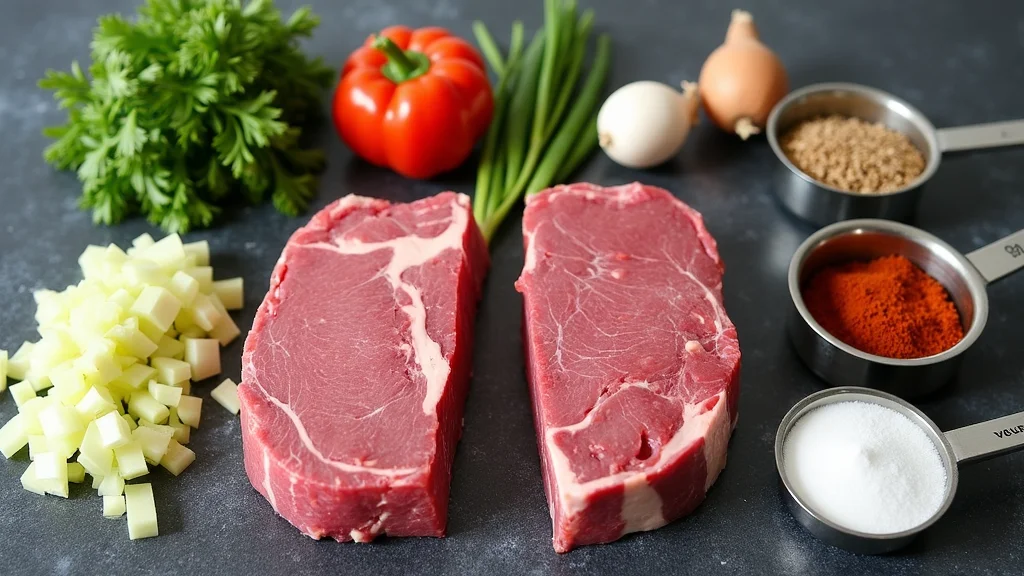
Gather all ingredients and ensure they are measured correctly.
Trim excess fat from the chuck roast.
Cut the vegetables into the specified sizes for even cooking.
Keep the seasonings and liquids within reach for easy access during cooking.
Step 2: Sear the Chuck Roast
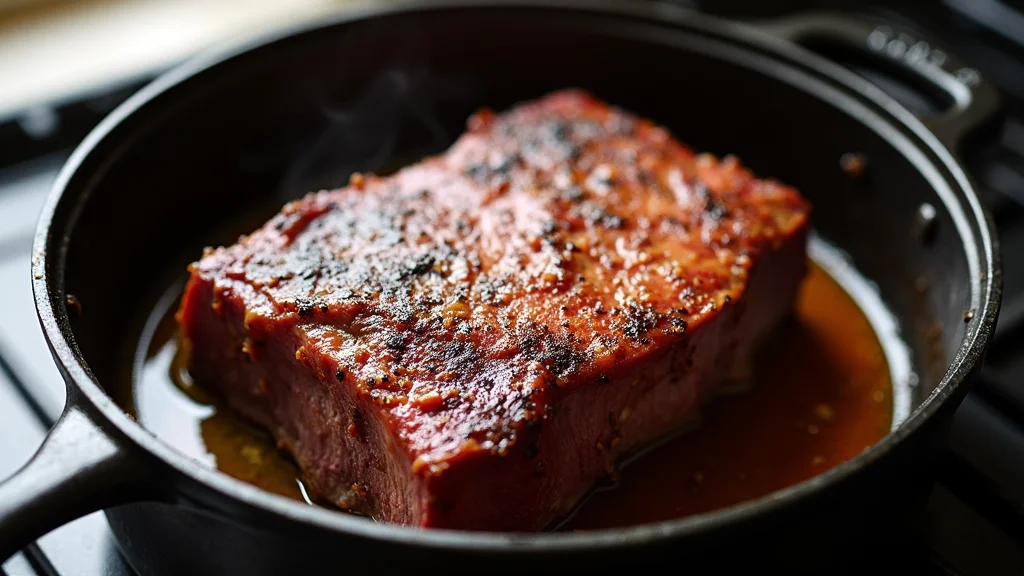
Heat olive oil in a Dutch oven over medium-high heat until shimmering.
Place the chuck roast in the pot and sear each side until browned, about 4 minutes per side.
The roast should have a deep brown crust.
Remove the seared roast and set aside.
Step 3: Sauté the Vegetables
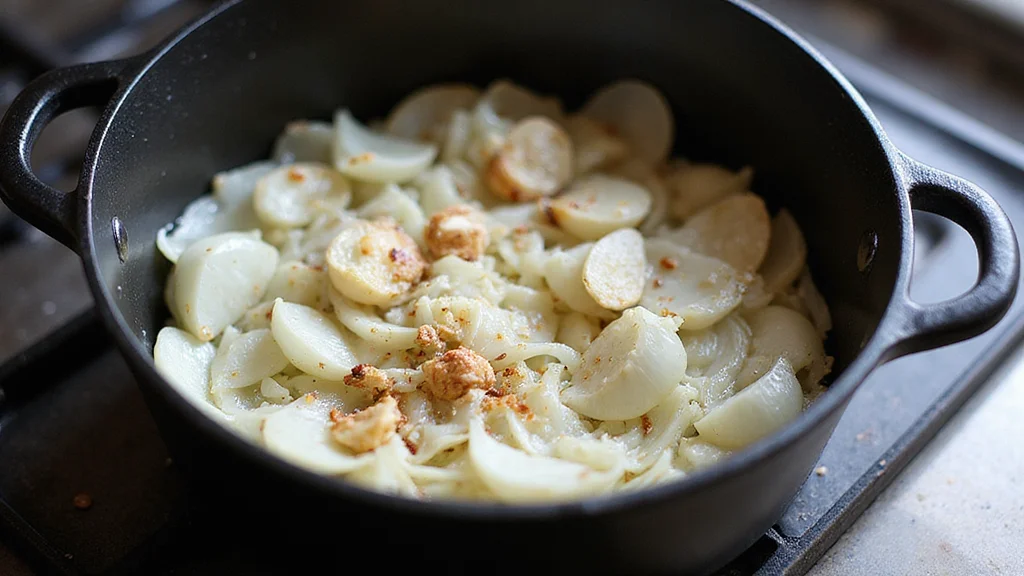
In the same pot, add onions and garlic.
Sauté until the onions are translucent and garlic is fragrant, about 3 minutes.
This step enhances the flavor base of the dish.
Stir frequently to prevent burning.
Step 4: Deglaze the Pot
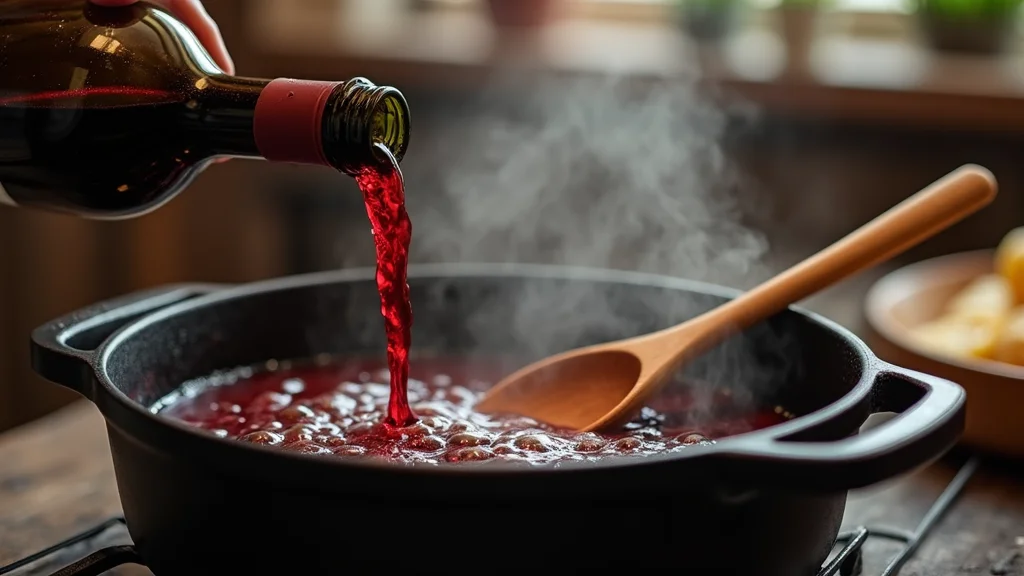
Pour red wine into the pot to deglaze.
Scrape up any brown bits from the bottom using a wooden spoon.
These bits add a rich flavor to the sauce.
Let the wine reduce by half.
Step 5: Add Remaining Ingredients
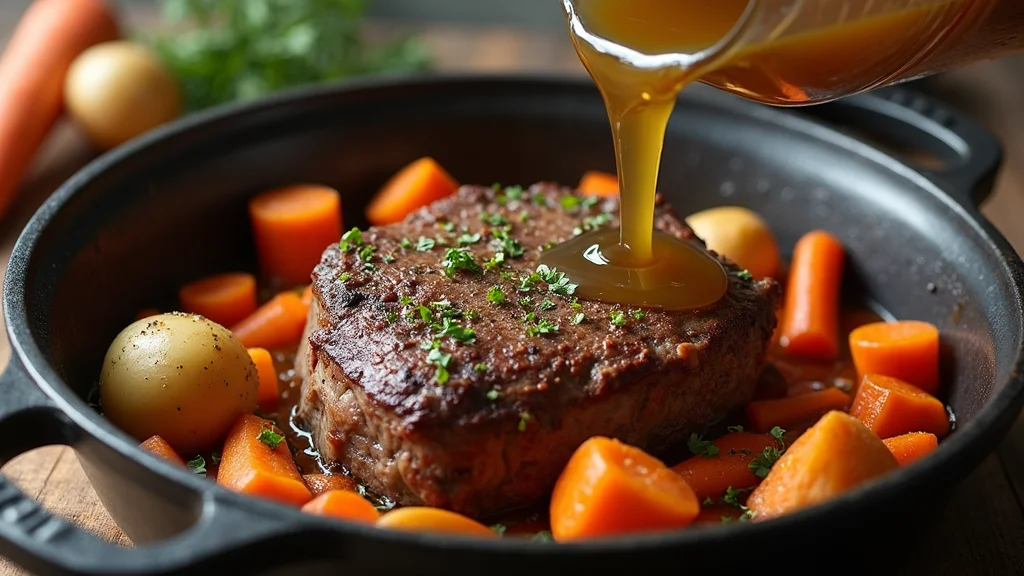
Return the seared roast to the pot.
Add beef broth, carrots, potatoes, thyme, salt, and pepper.
Ensure the liquid almost covers the roast.
Stir gently to combine.
Step 6: Begin Slow Cooking
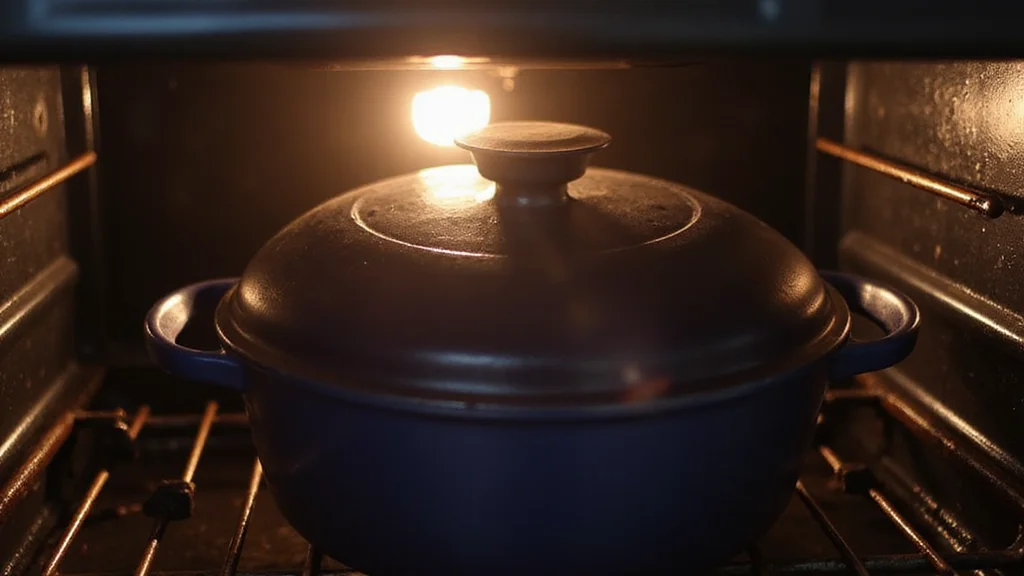
Cover the Dutch oven with a lid.
Transfer to a preheated oven at 300°F (150°C).
Cook for about 4 hours until the meat is tender.
Check occasionally to ensure the liquid level remains adequate.
Step 7: Check for Doneness
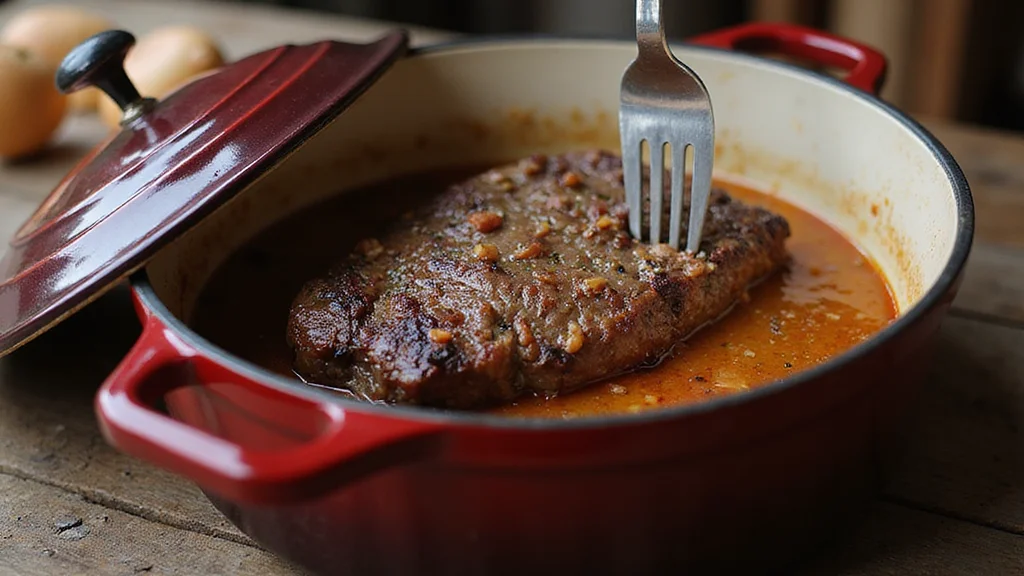
After 4 hours, check the roast for tenderness.
The meat should easily pull apart with a fork.
If not tender enough, continue cooking for an additional 30 minutes.
Adjust seasoning if necessary.
Step 8: Serve the Chuck Roast
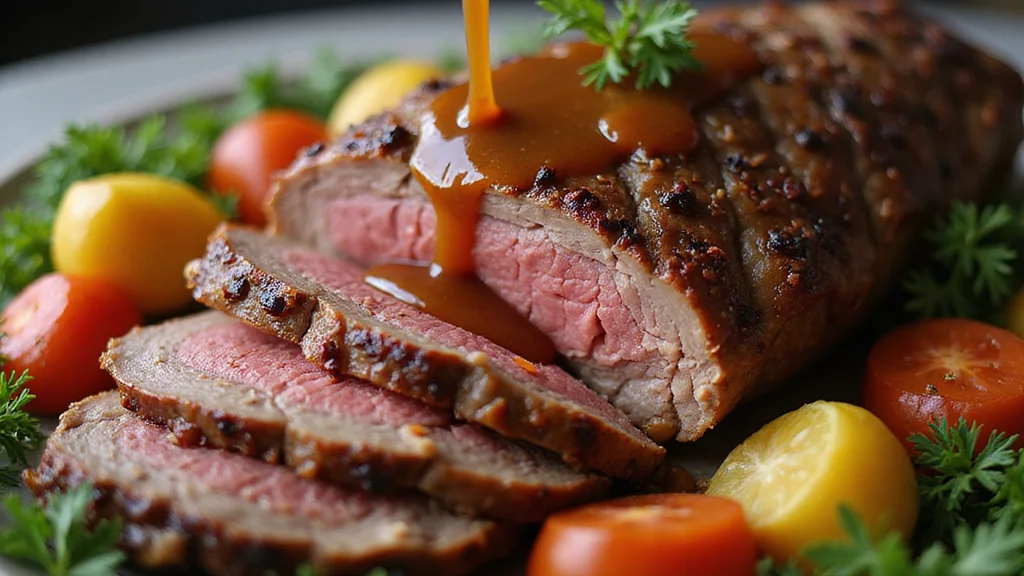
Carefully remove the roast and vegetables from the pot.
Slice the roast against the grain for best texture.
Arrange on a platter with vegetables around.
Drizzle some sauce over the top before serving.
Critical Timing and Temperature Guide
Searing Process: Sear the meat on medium-high heat for 4 minutes per side, ensuring a deep brown crust without burning. Avoid overcrowding the pan.
Oven Cooking: Maintain oven temperature at 300°F (150°C) for optimal tenderness. Check liquid levels and roast tenderness every hour to avoid overcooking or drying out.
Resting Period: Let the roast rest for 10 minutes before slicing to allow juices to redistribute, ensuring moist slices.
Pro Tips for Chuck Roast Recipes
• Ingredient Selection: Choose a well-marbled chuck roast for the best flavor and tenderness. The marbling breaks down during cooking, contributing to a melt-in-your-mouth texture.
• Preparation Secret: Marinate the roast overnight with herbs and spices for deeper flavor penetration before cooking.
• Temperature Management: Ensure the oven is preheated to the correct temperature to begin the slow cooking process immediately, preventing bacterial growth.
• Texture Enhancement: Slice the meat against the grain after cooking to ensure tender bites.
• Flavor Layering: Add a splash of balsamic vinegar to the sauce at the end of cooking for an extra depth of flavor.
• Make-Ahead Strategies: Prepare the roast a day in advance and store in the fridge. Reheat gently before serving to enhance flavors.
• Restaurant-Quality Finishing Touches: Garnish with fresh parsley or thyme for a burst of color and freshness.
• Equipment Optimization: Use a cast-iron Dutch oven for its excellent heat retention properties, ensuring even cooking.
Troubleshooting Common Issues
• Meat Too Tough: This can occur if the roast is undercooked or overcooked. Ensure cooking time and temperature are correct. If tough, return to the oven for additional time.
• Sauce Too Thin: If the sauce hasn't thickened enough, simmer uncovered on the stovetop until the desired consistency is reached.
• Flavors Too Bland: Adjust seasoning by adding more salt, pepper, or a dash of vinegar to enhance flavors.
• Vegetables Overcooked: To prevent mushy vegetables, add them halfway through the cooking process instead of at the beginning.
• Roast Drying Out: Ensure there is enough liquid in the pot throughout cooking. Add more broth if necessary.
• Searing Burns the Meat: Reduce the heat slightly and monitor closely to prevent burning while still achieving a good crust.




Variations and Regional Differences
• French Pot Roast: Known as Pot-au-Feu, this version incorporates leeks, celery, and turnips, and is often served with mustard and cornichons.
• Italian Bollito Misto: This variation uses a combination of meats, including chuck roast, and is served with a variety of sauces like salsa verde.
• Mexican Barbacoa: Features the use of chili peppers and lime juice, slow-cooked to a spicy and tangy perfection.
• German Sauerbraten: Involves marinating the meat in a mixture of vinegar and spices before cooking, creating a unique tangy flavor.
Food Science Behind the Recipe
• Maillard Reaction: This chemical reaction occurs during searing, contributing to the rich, browned flavor of the roast.
• Collagen Breakdown: Slow cooking at low temperatures allows collagen in the meat to convert into gelatin, resulting in a tender texture.
• Emulsification: The sauce thickens as the fats and liquids combine, creating a creamy consistency that coats the meat and vegetables.
Frequently Asked Questions
What's the most common mistake people make when preparing a chuck roast? Overcooking the meat or cooking at too high a temperature, which can result in a tough texture.
Can I use a slow cooker instead of a Dutch oven? Yes, a slow cooker can be used but may result in a slightly different flavor profile due to the cooking method.
How do I store leftovers? Store in an airtight container in the refrigerator for up to 3 days or freeze for longer storage.
Can I add other vegetables? Absolutely, vegetables like parsnips, turnips, or mushrooms can enhance the dish.
What wine pairs best with chuck roast? A bold red wine like Cabernet Sauvignon complements the rich flavors well.
How do I thicken the sauce if it's too thin? Simmer the sauce on the stovetop without a lid to reduce it, or add a cornstarch slurry.
Should I trim all the fat off the roast? No, leaving some fat enhances the flavor and moisture of the meat.
Serving and Presentation Guide
• Traditional Presentation: Serve the chuck roast on a large platter with vegetables arranged around it, topped with a ladle of sauce.
• Rustic Style: Present the roast in the Dutch oven for a casual, homey feel, allowing guests to serve themselves.
• Gourmet Touch: Slice the roast and fan out on individual plates, drizzle with sauce, and garnish with fresh herbs.
• Family-Style: Serve with a side of crusty bread and a fresh salad, encouraging a communal dining experience.


Conclusion
The chuck roast is more than just a meal; it's a celebration of hearty, comforting flavors.
Its simplicity and depth make it a favorite for cooks and diners alike.
I invite you to experience the joy of creating this timeless dish in your own kitchen.
With this comprehensive guide, you're well-equipped to make a chuck roast that's easy, tender, and absolutely delicious.