
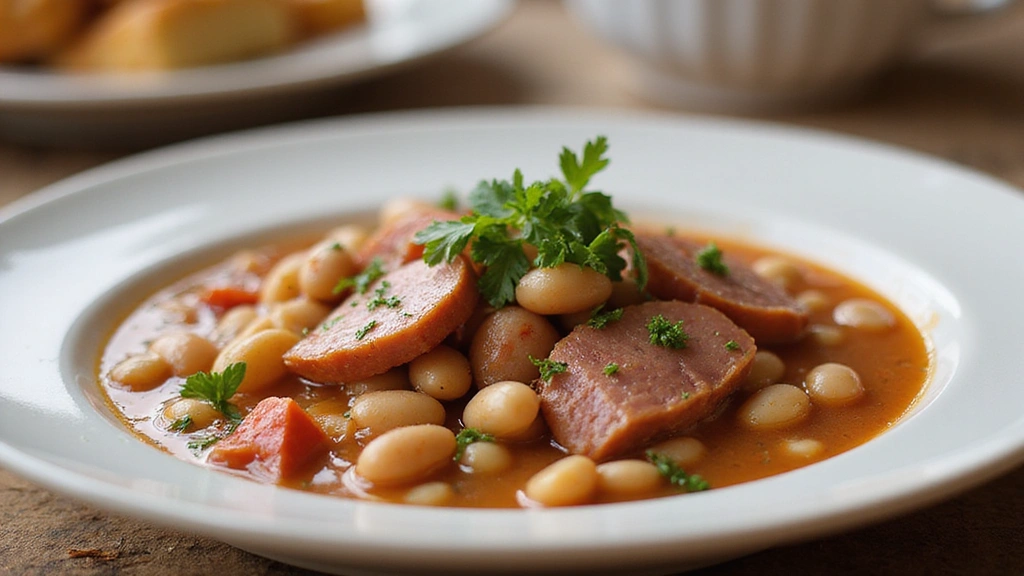


As the cold winds of winter begin to blow, nothing warms the soul quite like a bowl of hearty ham and bean soup.
The smoky flavor of ham combined with the creamy texture of beans creates a comforting dish that feels like a warm hug in a bowl.
This soup is a staple in many homes during the chilly months, providing nourishment and satisfaction.
Whether you’re using leftover holiday ham or starting fresh, this recipe is both versatile and delicious.
Perfect for a family dinner or a cozy night in, this soup is sure to become a favorite in your recipe collection.
The History and Cultural Significance
• Ham and Bean traces its origins to Europe, where it was originally created by farmers needing a hearty meal during harsh winters.
• The dish evolved over decades as different beans and seasonings were introduced, eventually becoming the beloved version we know today.
• In Southern American culture, this dish traditionally appears at family gatherings, symbolizing comfort and community.
• While many variations exist across different regions, the authentic version maintains a thick, savory broth that sets it apart from imitations.




Recipe Overview
Nutritional Information (per serving)






Essential Equipment Guide
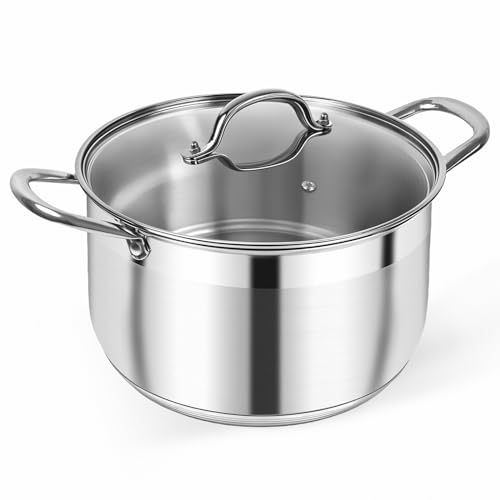
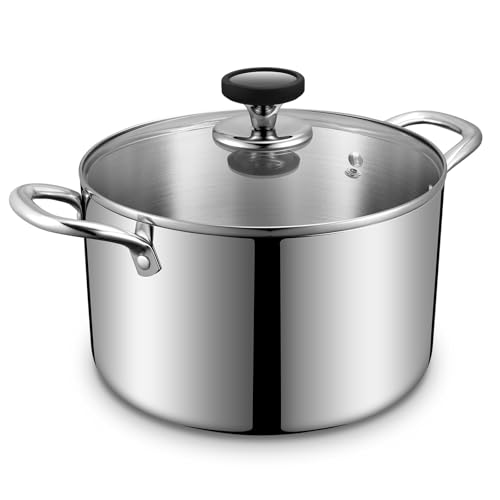
Large Dutch Oven: This is essential for evenly cooking the soup and allowing the flavors to meld. A large pot can work as an alternative, but the thick walls of a Dutch oven provide better heat distribution.
Immersion Blender: An immersion blender helps achieve the perfect creamy texture without transferring soup to a blender. A regular blender can be used, but be cautious with hot liquids.
Wooden Spoon: Ideal for stirring and ensuring the soup doesn’t stick to the bottom of the pot. A silicone spatula can be an alternative, but a wooden spoon is traditional and effective.




Ingredients
For the Base
|
|
| Amount | Ingredient | Notes |
|---|---|---|
| 2 cups | dried white beans | soaked overnight |
| 1 pound | ham hock | adds smoky flavor |
Vegetables
| Amount | Ingredient | Notes |
|---|---|---|
| 1 large | onion | diced |
| 2 medium | carrots | sliced |
| 2 stalks | celery | chopped |
Seasonings
| Amount | Ingredient | Notes |
|---|---|---|
| 1 teaspoon | dried thyme | adds earthy notes |
| 1 teaspoon | black pepper | for seasoning |
Liquids
| Amount | Ingredient | Notes |
|---|---|---|
| 8 cups | chicken broth | provides a rich base |
| 2 cups | water | adjusts consistency |




Preparation Methods
Soaking Beans: Soaking beans overnight is crucial for reducing cooking time and ensuring even texture. Use a large bowl filled with water, as beans will double in size.
Sautéing Vegetables: Sautéing enhances the flavor profile of the soup by caramelizing the natural sugars in the vegetables. Use a medium heat to prevent burning.
Simmering: Slow simmering allows the flavors to meld together, creating a depth of flavor. Keep the heat low and cover the pot to maintain moisture.





Step 1: Prepare Ingredients
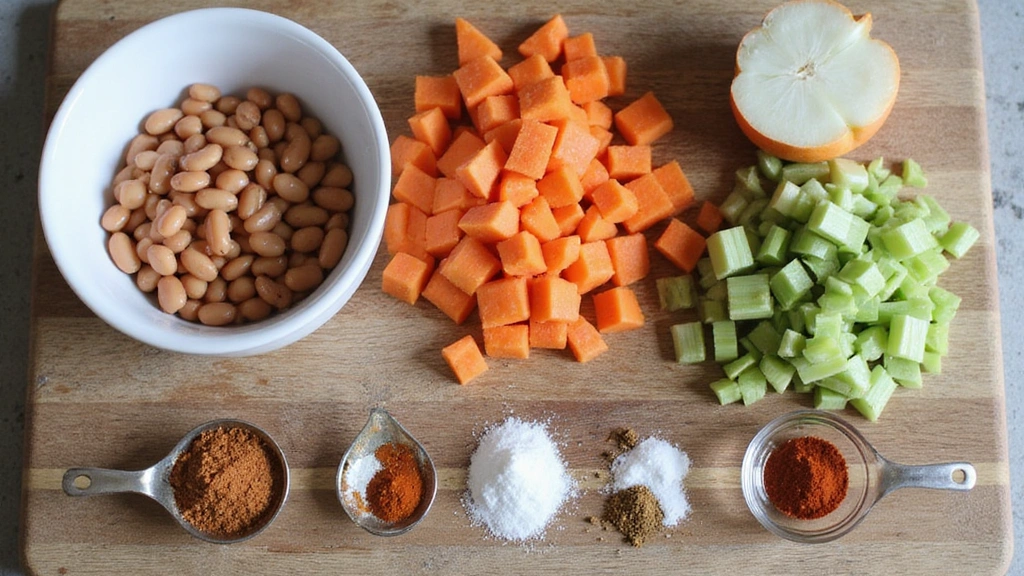
Rinse and drain the soaked beans.
Dice the onion, slice the carrots, and chop the celery.
Measure out all spices and seasonings.
Gather all ingredients for easy access during cooking.
Step 2: Sauté Vegetables
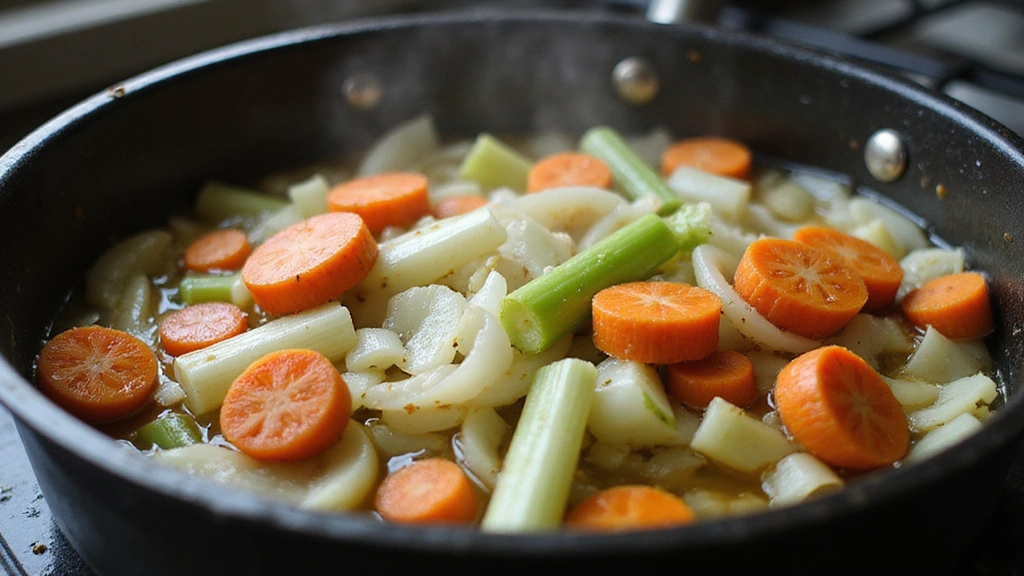
Heat the Dutch oven over medium heat.
Add a splash of olive oil, then the diced onions.
Cook the onions until translucent, about 5 minutes.
Add carrots and celery, sautéing for an additional 5 minutes.
Step 3: Add Ham and Beans
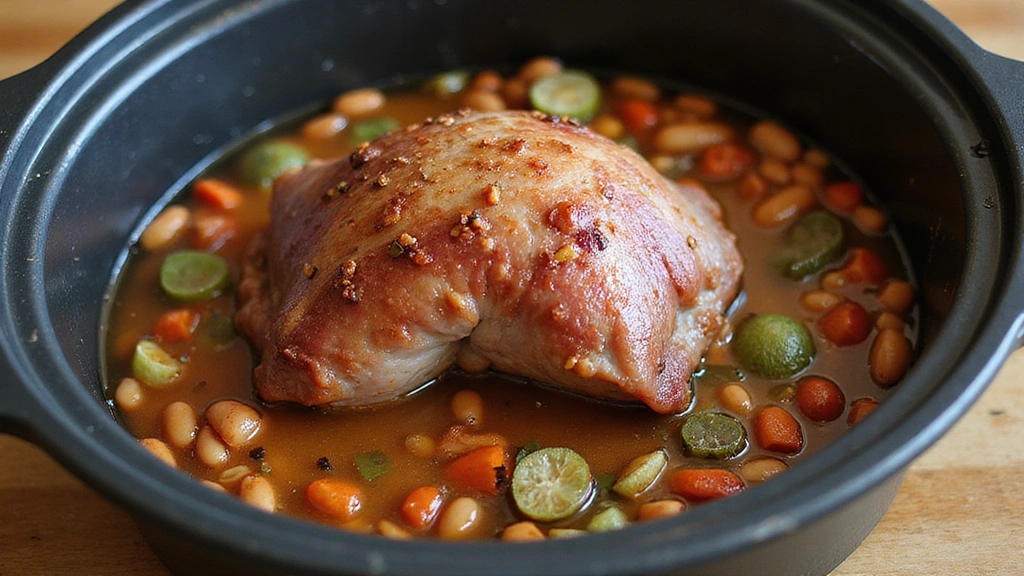
Place the ham hock into the pot.
Add the drained beans to the vegetable mixture.
Stir gently to combine all ingredients.
Ensure the ham hock is submerged for even cooking.
Step 4: Pour in Liquids

Pour chicken broth over the ham and bean mixture.
Add water to adjust the consistency as needed.
Stir to ensure all ingredients are well incorporated.
Bring the mixture to a gentle boil.
Step 5: Season and Simmer

Add dried thyme and black pepper to the pot.
Reduce heat to low once boiling.
Cover the pot with a lid, leaving a slight gap for steam.
Simmer for 2 hours, stirring occasionally.
Step 6: Check Doneness
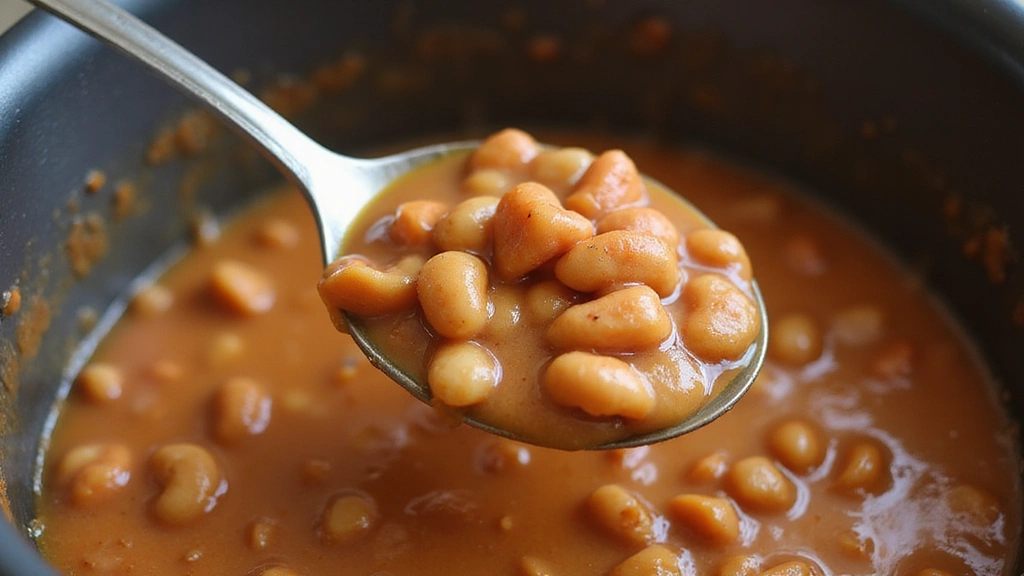
After 2 hours, check the tenderness of the beans.
The beans should be soft and break easily with a fork.
Taste for seasoning and adjust as needed.
Remove the ham hock to cool slightly.
Step 7: Blend for Creaminess
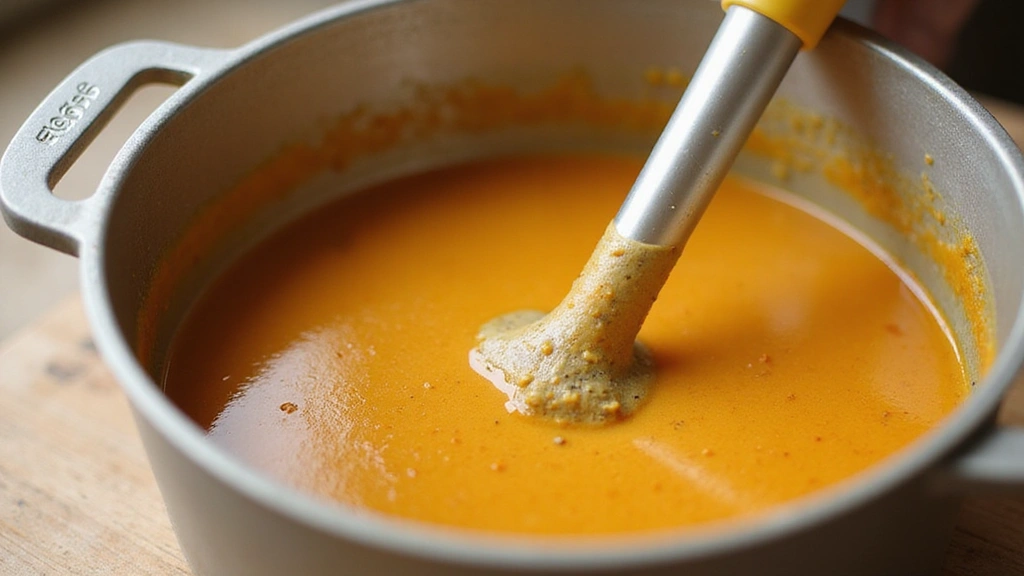
Use an immersion blender to blend part of the soup.
Focus on blending about a quarter of the mixture for creaminess.
Leave some beans whole for texture.
Be careful not to over-puree.
Step 8: Shred and Return Ham
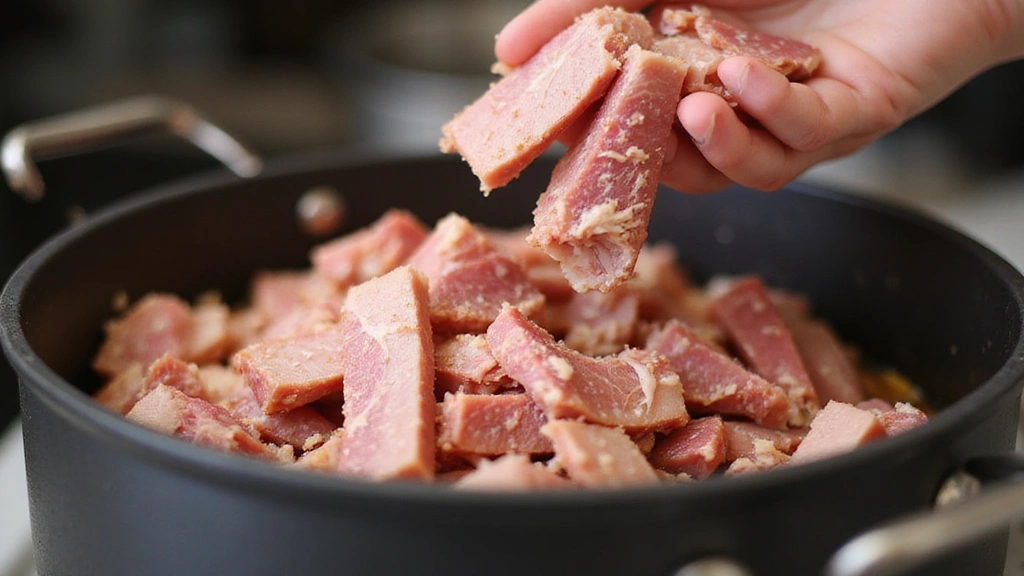
Remove meat from the ham hock and shred.
Discard any bones or fatty pieces.
Return the shredded ham to the pot.
Stir well to distribute the meat evenly.
Step 9: Final Simmer

Allow the soup to simmer for an additional 10 minutes.
This helps the flavors meld further.
Stir occasionally to prevent sticking.
Taste again and adjust seasoning if necessary.
Step 10: Serve and Enjoy
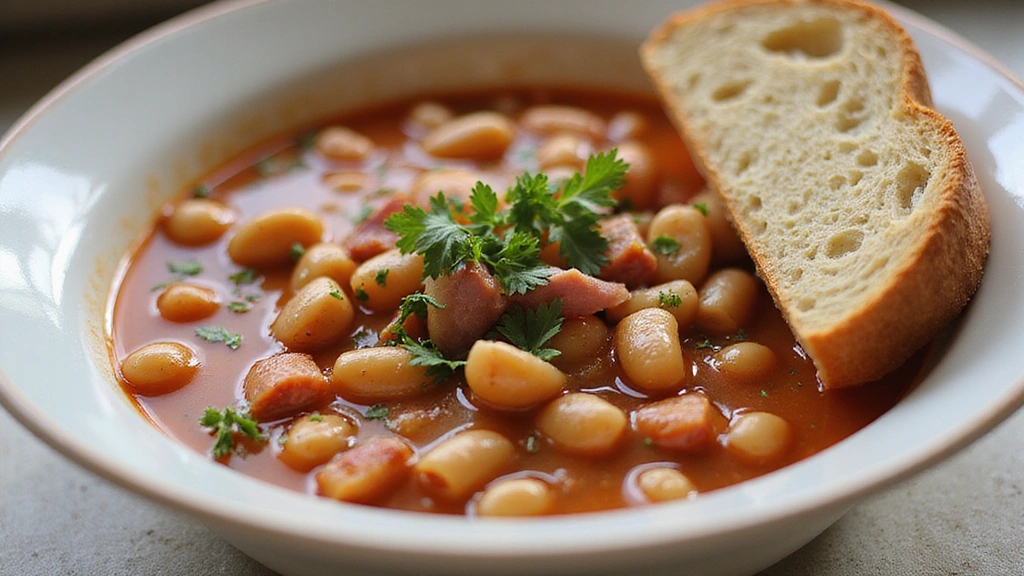
Ladle the soup into bowls.
Garnish with fresh herbs if desired.
Serve hot with crusty bread on the side.
Enjoy the comforting warmth of each spoonful.
Critical Timing and Temperature Guide
Simmering: Maintain a low simmer for 2 hours. The soup should gently bubble, ensuring beans cook without breaking apart. Avoid boiling to prevent tough beans.
Blending: Blend for about 1-2 minutes until desired creaminess is achieved. Over-blending can lead to a pasty texture. Aim for a mix of smooth and chunky.
Final Simmer: The final 10-minute simmer should be at a low heat. This integrates flavors, with the soup thickening slightly. Stir occasionally to avoid sticking.
Pro Tips for Ham and Bean
• Ingredient Selection: Choose high-quality smoked ham hock for a deep, smoky flavor. Fresh, vibrant vegetables enhance the overall taste.
• Preparation Secret: Soak beans overnight with a pinch of baking soda to reduce cooking time and improve digestibility.
• Temperature Management: Keep the simmer steady. Sudden temperature changes can cause beans to break or become mushy.
• Texture Enhancement: Blend only a portion of the soup for a balanced creamy-chunky texture that elevates the experience.
• Flavor Layering: Add spices in stages. Start early for deep infusion and finish with fresh herbs for a bright contrast.
• Make-Ahead Strategies: Prepare the soup base a day in advance. Refrigerate and reheat gently, allowing flavors to meld overnight.
• Restaurant-Quality Finishing Touches: A drizzle of good olive oil or a sprinkle of fresh parsley adds a professional touch.
• Equipment Optimization: Use a heavy-bottomed pot to prevent sticking and ensure even cooking.
Troubleshooting Common Issues
• Beans Too Hard: This occurs if beans aren't soaked long enough or the simmer isn't maintained. Ensure beans are fully soaked and cook at a consistent low heat.
• Soup Too Thin: If the soup lacks body, blend more beans to thicken. Alternatively, add a slurry of cornstarch and water.
• Flavors Unbalanced: Over-seasoning can lead to unbalanced flavors. Gradually add salt and spices, tasting as you go.
• Ham Too Salty: Rinse the ham hock before use. If the soup is too salty, add more broth or a peeled potato to absorb excess salt.
• Soup Too Thick: If the soup is too thick, thin it with additional broth or water and adjust seasoning accordingly.
• Beans Falling Apart: Overcooked beans break easily. Check doneness midway and adjust cooking time if necessary.
Variations and Regional Differences
• Southern Style: Incorporates black-eyed peas and collard greens, adding a unique Southern twist. Often includes spicy sausage for heat.
• Italian Style: Known as 'Pasta e Fagioli,' this version includes pasta and uses pancetta instead of ham, with Italian herbs for flavor.
• Vegetarian Version: Omits ham and uses vegetable broth. Smoked paprika adds a smoky flavor without meat.
• French Cassoulet: A rich, slow-cooked casserole that includes duck confit and white beans, highlighting French influences.


Food Science Behind the Recipe
• Maillard Reaction: Sautéing vegetables initiates the Maillard reaction, enhancing flavors through browning.
• Gelatinization: The starches in beans gelatinize during cooking, thickening the soup and providing a creamy texture.
• Osmosis in Beans: Soaking beans facilitates osmosis, hydrating them evenly and reducing cooking time.
Frequently Asked Questions
What's the most common mistake people make when preparing ham and bean soup? The most common mistake is not soaking the beans long enough, leading to uneven cooking.
Can I use canned beans instead of dried? Yes, but adjust cooking time and reduce liquid since canned beans are already cooked.
How can I add more flavor to the soup? Using homemade broth and fresh herbs can significantly enhance the flavor.
Is it possible to make this soup in a slow cooker? Absolutely, just adjust cooking times to 6-8 hours on low heat.
What can I serve with ham and bean soup? Crusty bread or a side salad pairs beautifully with this hearty soup.
Can I freeze leftovers? Yes, this soup freezes well. Allow it to cool completely before storing in airtight containers.
How can I reduce the sodium content? Use low-sodium broth and rinse the ham hock to control salt levels.
Serving and Presentation Guide
• Traditional Presentation: Serve in rustic bowls with a sprinkle of fresh parsley and a side of crusty bread.
• Modern Presentation: Use a wide, shallow bowl for an elegant look, garnished with a drizzle of olive oil.
• Family Style: Serve in a large pot at the center of the table, allowing guests to help themselves.
• Café Style: Pair with a small side salad and serve with a warm, toasted baguette for a complete meal.





Conclusion
This easy ham and bean soup recipe is a delightful way to warm up any cold day.
With its comforting flavors and satisfying texture, it's sure to become a staple in your home.
Give this recipe a try and enjoy the cozy, homemade goodness it brings to your table.