
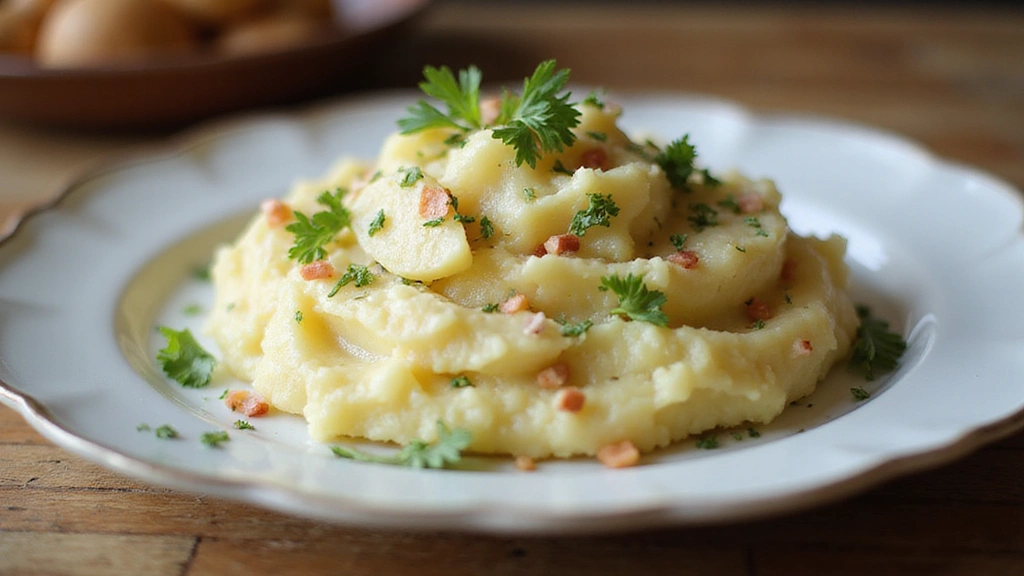


As the autumn leaves begin to fall, there’s nothing quite as comforting as a warm serving of mashed potatoes.
But what to do with leftovers?
This Simple Mashed Potato Leftover Recipes collection offers ingenious ways to transform your spuds into something new and exciting.
With a focus on zero waste, these recipes ensure that not a single scoop goes to waste.
Whether you’re a home cook looking to minimize food waste or someone searching for a quick and delicious bite, these ideas are sure to inspire you.
Join me on this culinary adventure as we give leftover mashed potatoes a second life.
The History and Cultural Significance
• Simple Mashed Potato traces its origins to 18th-century Europe, where it was originally created as a peasant dish.
• The dish evolved over decades as cooking techniques advanced and ingredients like butter and cream became more accessible, eventually becoming the beloved version we know today.
• In Irish culture, this dish traditionally appears at family gatherings, symbolizing comfort and togetherness.
• While many variations exist across different regions, the authentic version maintains a creamy texture that sets it apart from imitations.



Recipe Overview
Nutritional Information
Essential Equipment Guide
Potato Masher: A potato masher is essential for achieving the perfect consistency. While a fork can be used in a pinch, a masher provides a more uniform texture, ensuring that every bite is smooth and creamy. Look for a masher with a sturdy handle and wide base for the best results.
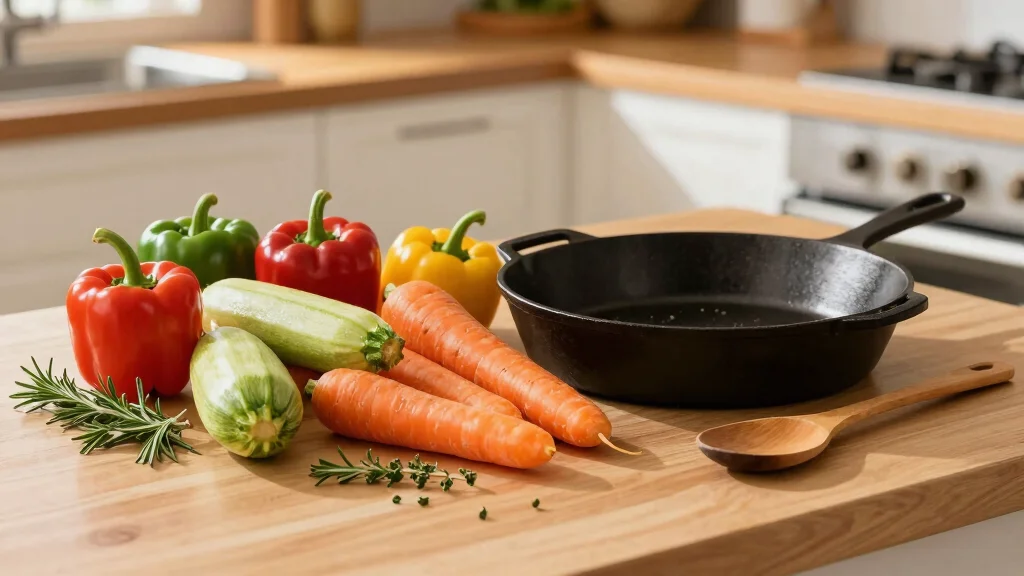
Non-stick Skillet: A non-stick skillet is crucial for frying leftover potato cakes or patties, allowing them to brown evenly without sticking. Alternatives like cast iron can work, but a non-stick surface makes the process much easier. Ensure it has a heat-resistant handle for safety.
Mixing Bowl: A large mixing bowl is necessary to combine leftover mashed potatoes with additional ingredients. Stainless steel is a good choice for its durability and ease of cleaning. If you don’t have one, a glass bowl will also work.
Ingredients
For the Base
|
|
| Amount | Ingredient | Notes |
|---|---|---|
| 2 cups | leftover mashed potatoes | smooth and creamy |
| 1 cup | all-purpose flour | binding agent |
Seasonings
| Amount | Ingredient | Notes |
|---|---|---|
| 1 teaspoon | salt | enhances flavor |
| 0.5 teaspoon | black pepper | adds a hint of spice |
Vegetables
| Amount | Ingredient | Notes |
|---|---|---|
| 1 medium | onion | finely chopped |
| 1 small | carrot | grated for texture |
Dairy
| Amount | Ingredient | Notes |
|---|---|---|
| 0.5 cup | milk | adds creaminess |
| 2 tablespoons | butter | richness |
Preparation Methods
Folding: Folding is a gentle mixing technique that incorporates ingredients without deflating airy components. It matters in this recipe to maintain the mashed potatoes' lightness. Use a large spatula, turning the mixture over on itself until just combined.
Pan Frying: Pan frying gives a crispy texture to mashed potato cakes. It's important to have the oil hot before adding the mixture to ensure a golden crust forms quickly. Patience is key—avoid crowding the pan for even cooking.
Sauteing Vegetables: Sauteing onions and carrots before mixing them with potatoes brings out their natural sweetness. Cook them over medium heat until tender, which adds depth to the dish.




Step 1: Prepare Ingredients

Gather all ingredients and equipment needed for the recipe.
Ensure leftover mashed potatoes are at room temperature for easier mixing.
Chop the onion finely and grate the carrot.
Measure out all other ingredients before starting.
Step 2: Saute Vegetables

Heat a non-stick skillet over medium heat and add a tablespoon of butter.
Add chopped onions and grated carrots to the pan.
Cook, stirring occasionally, until the vegetables are soft and fragrant.
Remove from heat and let them cool slightly.
Step 3: Mix the Base

In a large mixing bowl, combine room temperature mashed potatoes and flour.
Add salt and pepper, adjusting to taste.
Gently fold in the sautéed vegetables with a spatula.
Ensure the mixture is well combined but not over-mixed.
Step 4: Shape the Patties

Scoop about 1/4 cup of the mixture to form a patty.
Use your hands to shape it into a round, flat disk.
Repeat with remaining mixture until all patties are formed.
Place them on a plate, ready for frying.
Step 5: Heat the Skillet

Clean the skillet and return it to medium heat.
Add a tablespoon of butter and allow it to melt completely.
Ensure the butter is sizzling before adding patties.
This step is crucial for achieving a crispy exterior.
Step 6: Fry the Patties

Carefully place the mashed potato patties into the hot skillet.
Cook for about 3-4 minutes on each side, pressing down lightly.
Look for a golden-brown crust before flipping.
Cook in batches if necessary to avoid overcrowding.
Step 7: Drain Excess Oil

Remove cooked patties from the skillet and place them on a paper towel-lined plate.
Allow the paper towel to absorb excess oil.
This step helps keep the patties crisp.
Prepare the next batch if needed.
Step 8: Serve and Enjoy

Transfer the drained patties to a serving platter.
Garnish with fresh herbs like parsley for added color.
Serve warm as a side dish or snack.
Enjoy the crispy and creamy texture combination.
Critical Timing and Temperature Guide
Pan Frying: Cook patties over medium heat for 3-4 minutes on each side, looking for a golden-brown crust. Avoid high heat to prevent burning.
Sautéing Vegetables: Sauté vegetables over medium heat until soft, about 5 minutes. Vegetables should be tender but not browned.
Mixing and Folding: Mix ingredients until just combined to avoid overworking. The mixture should hold together without being doughy.
Pro Tips for Simple Mashed Potato
• Ingredient Selection: Opt for Yukon Gold or Russet potatoes for the creamiest mashed potatoes, as these varieties blend smoothly and have a rich flavor.
• Preparation Secret: Adding a pinch of baking powder to the mashed potato mixture can help give the patties extra fluffiness.
• Temperature Management: Always use room temperature mashed potatoes to ensure even mixing and better texture.
• Texture Enhancement: For an extra crispy exterior, dust patties lightly with flour before frying.
• Flavor Layering: Incorporate herbs such as thyme or rosemary during sautéing for an aromatic depth.
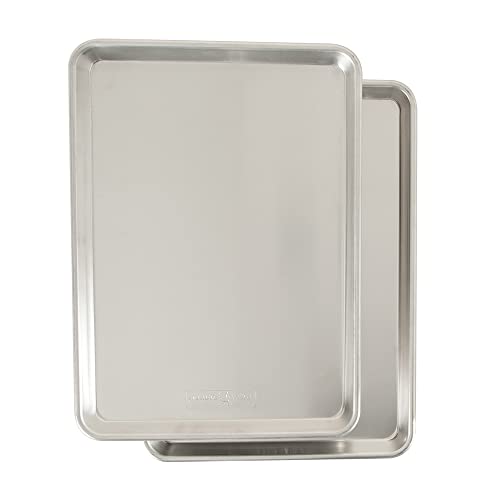
• Make-Ahead Strategies: Prepare patties and refrigerate them on a parchment-lined baking sheet for up to 24 hours before frying.
• Restaurant-Quality Finishing Touches: Finish with a sprinkle of sea salt and freshly cracked pepper just before serving for an elevated taste.
• Equipment Optimization: If a potato masher isn't available, a fork or even a ricer can be used to achieve a similar mashed consistency.
Troubleshooting Common Issues
• Texture Too Dense: This is often caused by overmixing. Recognize it by a gummy texture. To fix, fold gently and add a touch more milk to loosen the mixture.
• Patties Falling Apart: A lack of binding agents like flour can cause crumbling. Ensure the mixture holds together before shaping, and consider adding an egg if needed.
• Flavors Unbalanced: If the flavor is too bland, recheck seasoning levels, especially salt and pepper. Taste before frying and adjust accordingly.
• Patties Not Browning: This may be due to the skillet not being hot enough. Ensure the oil is sizzling before adding patties.
• Greasy Texture: Overcrowding in the pan can lead to oil absorption. Fry in batches and use a paper towel to drain excess oil.
• Burning Before Cooking Through: Too high heat can cause this. Lower the heat slightly and allow patties to cook thoroughly.
Variations and Regional Differences
• Irish Colcannon: Incorporate cabbage or kale and a bit of bacon for a traditional Irish twist on your leftover mashed potatoes.
• Italian Style: Add Parmesan cheese and rosemary for a Mediterranean flavor profile, offering a slight twist on the classic.
• Indian Aloo Tikki: Mix in spices such as cumin and coriander with a hint of chili for a spicy, flavorful variation.
• American Loaded: Fold in bacon bits, shredded cheddar cheese, and chives for a loaded version reminiscent of a baked potato.


Food Science Behind the Recipe
• Starch Gelatinization: Understanding how potato starches gelatinize during cooking helps achieve the desired creamy texture by absorbing moisture.
• Maillard Reaction: This reaction is responsible for the browning of the patties, enhancing flavor and color when frying at the correct temperature.
• Emulsification: When butter and milk are added to potatoes, they emulsify, creating a smooth and rich texture essential to good mashed potatoes.
Frequently Asked Questions
What's the most common mistake people make when preparing mashed potato leftovers? Overmixing, which can lead to a dense, gluey texture.
Can I freeze leftover mashed potato patties? Yes, freeze patties in a single layer on a baking sheet, then transfer to a freezer bag for up to one month.
How can I make the patties vegan? Use plant-based milk and butter alternatives, and consider flaxseed meal as a binding agent instead of eggs.
What if I don't have enough leftover mashed potatoes? You can augment with freshly made potatoes, ensuring they are well-seasoned to match.
How do I prevent patties from sticking to the pan? Use a non-stick skillet and ensure the oil is hot before adding patties.
Can I bake the patties instead of frying? Yes, bake at 400°F (200°C) on a parchment-lined sheet for about 15-20 minutes, flipping halfway.
Is it necessary to add flour to the mixture? Flour acts as a binder and helps patties hold their shape, but bread crumbs can be used as an alternative if preferred.
How can I add more flavor to the patties? Incorporate herbs, spices, or even cheese into the mixture for added flavor layers.
Serving and Presentation Guide
• Traditional Presentation: Serve on a rustic wooden board with fresh herbs scattered around for a homemade feel.
• Individual Plating: Place two patties on a small plate with a dollop of sour cream on the side for dipping.
• Family Style: Arrange patties on a large platter with a garnish of green onions and a side of mixed greens.
• Casual Gathering: Serve patties in a basket lined with parchment paper for easy sharing at casual get-togethers.


Conclusion
Leftover mashed potatoes need not be a burden but rather an opportunity for culinary creativity.
These simple yet delicious recipes ensure you make the most of every spoonful.
Give these ideas a try and transform your leftovers into something extraordinary.
Join the zero-waste movement, one tasty bite at a time.