
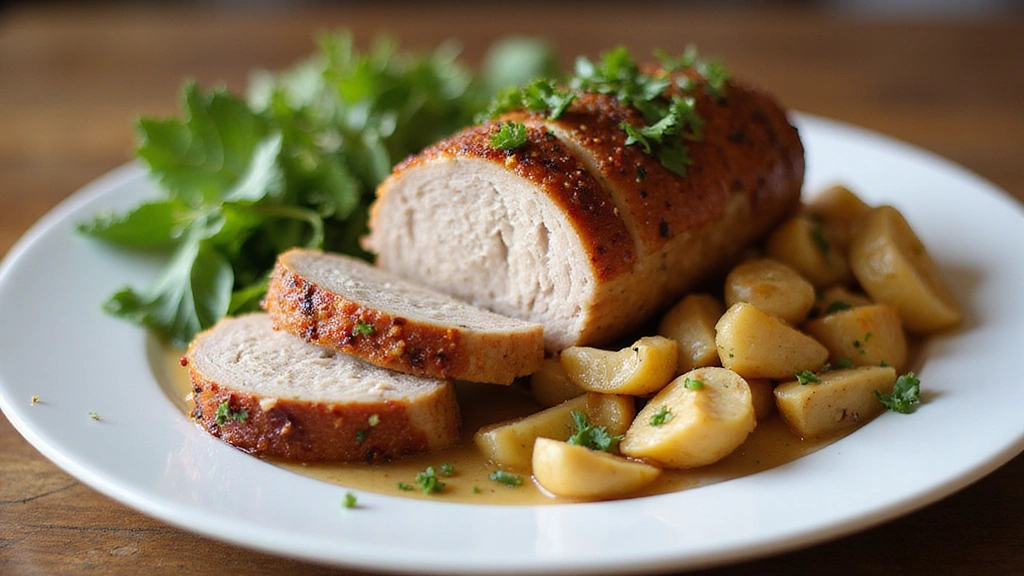


Baked Pork Tenderloin has always been a family favorite in my house, a dish that promises both simplicity and elegance.
The tender, juicy meat paired with a perfectly seasoned crust creates a delightful harmony of flavors.
I first encountered this recipe on a chilly autumn evening, where its warmth and richness provided much-needed comfort.
Its versatility makes it a perfect choice for both casual weeknight dinners and festive gatherings.
With a straightforward preparation, this dish is sure to impress both novice and experienced cooks alike.
The History and Cultural Significance
• Perfect Baked Pork traces its origins to Europe in the Middle Ages, where it was originally created by farmers who sought to preserve meat for the winter months.
• The dish evolved over decades as European settlers brought it to America, adapting local spices and cooking methods to enhance its flavor.
• In many European cultures, this dish traditionally appears at Christmas and Easter celebrations, symbolizing abundance and family unity.
• While many variations exist across different regions, the authentic version maintains a tender, juicy interior with a crisp, flavorful crust that sets it apart from imitations.


Recipe Overview
Nutritional Information (per serving)



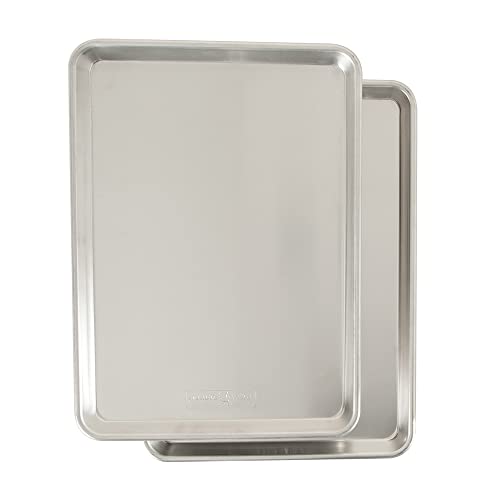
Essential Equipment Guide
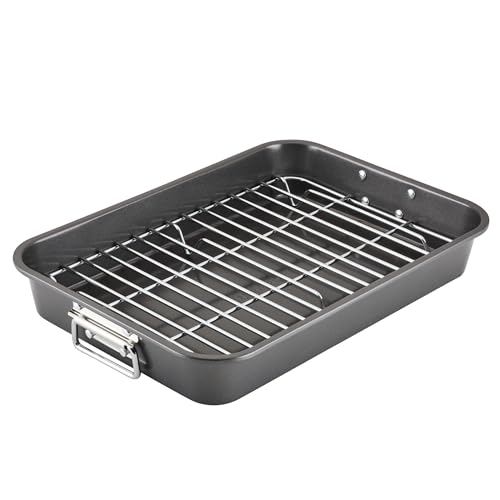
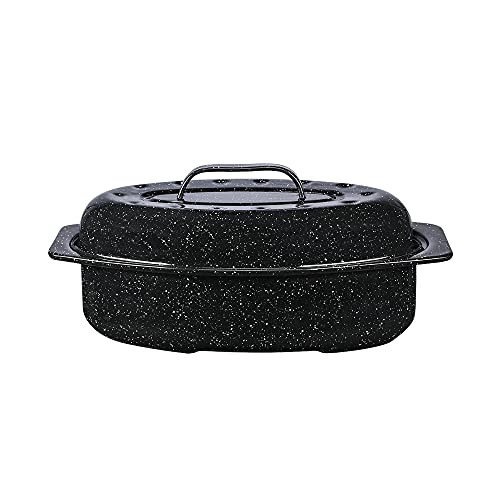
Baking Dish: A high-quality baking dish ensures even heat distribution, which is crucial for achieving a perfectly cooked tenderloin. Alternatives like a roasting pan can also work but look for a dish with a tight-fitting lid to maintain moisture.
Meat Thermometer: This tool is essential for ensuring your pork reaches the safe internal temperature without overcooking. Digital thermometers offer precise readings, but any reliable meat thermometer will suffice.
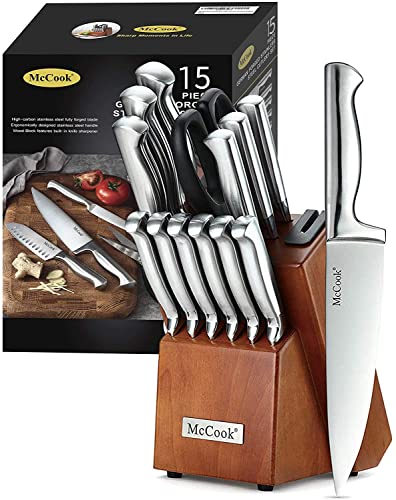
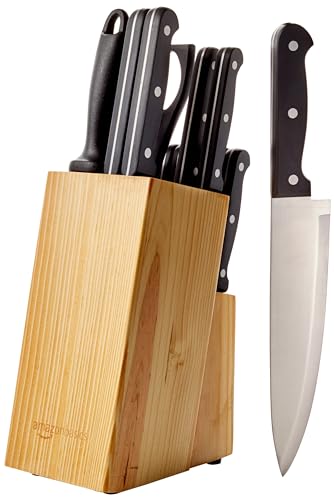
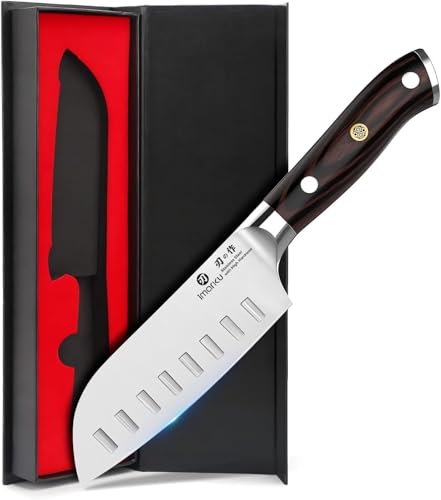
Carving Knife: A sharp carving knife is important for slicing the tenderloin without tearing the delicate meat. Consider using a serrated knife if a carving knife is unavailable.



Ingredients
For the Marinade
|
|
| Amount | Ingredient | Notes |
|---|---|---|
| 1/4 cup | olive oil | adds richness and helps in browning |
| 2 tablespoons | soy sauce | provides umami flavor |
| 1 tablespoon | honey | adds a touch of sweetness |
| 2 cloves | garlic | minced, for depth of flavor |
For the Pork
| Amount | Ingredient | Notes |
|---|---|---|
| 1 pound | pork tenderloin | trimmed of silver skin |
| 1 teaspoon | salt | enhances the meat’s natural flavors |
| 1/2 teaspoon | black pepper | adds subtle heat |
Preparation Methods
Marinating: Marinating the pork tenderloin infuses it with flavor and helps tenderize the meat. Mix the marinade ingredients and let the pork soak for at least 30 minutes or up to overnight in the refrigerator. This step is crucial for depth of flavor.
Searing: Searing the tenderloin before baking locks in juices and enhances the crust. Heat a pan until hot, then sear the pork on all sides for a golden-brown exterior. Mastering this technique ensures a juicy interior.
Resting: Allowing the cooked pork to rest before slicing redistributes the juices, making the meat more tender. Rest for at least 5 minutes under foil for best results.






Step 1: Prepare Ingredients
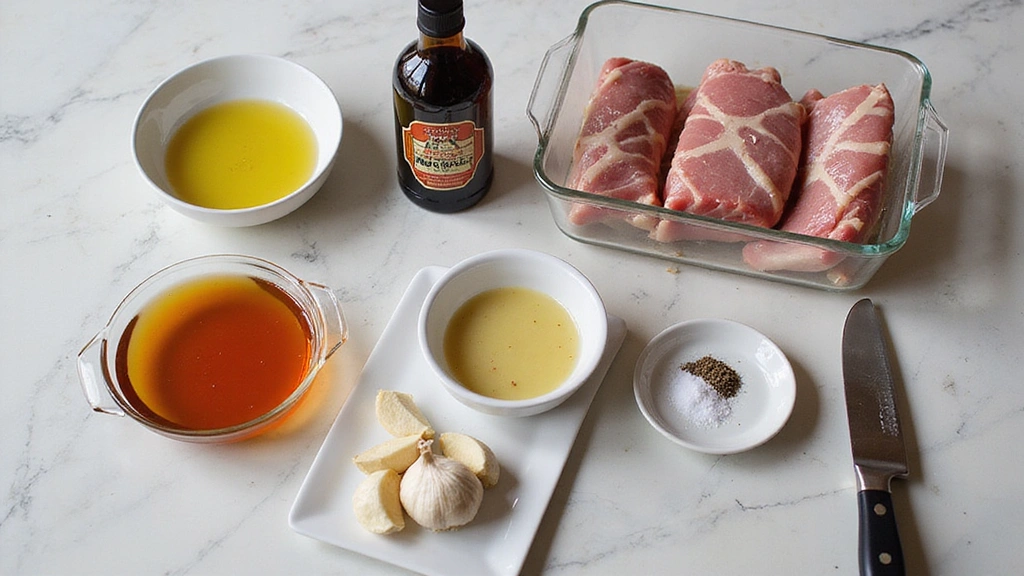
Gather all ingredients and equipment needed for the recipe.
Trim the pork tenderloin of any excess fat and silver skin.
Measure out marinade ingredients and prepare the baking dish.
Ensuring everything is ready before starting helps streamline the cooking process.
Step 2: Make the Marinade
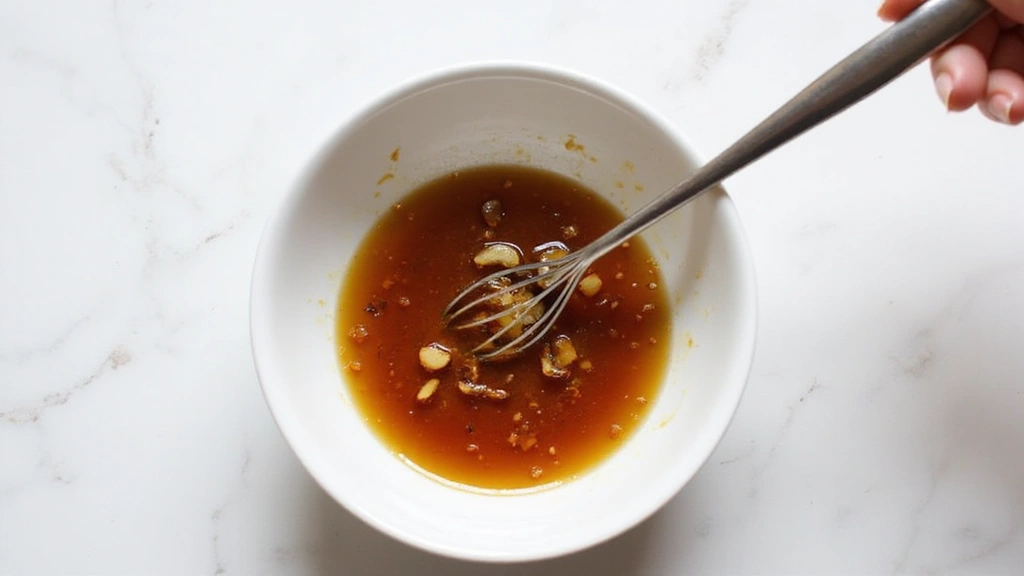
In a small bowl, combine olive oil, soy sauce, honey, and minced garlic.
Whisk the ingredients together until well combined.
Ensure the garlic is evenly distributed throughout the marinade.
This mixture will provide a rich flavor profile for the pork.
Step 3: Marinate the Pork
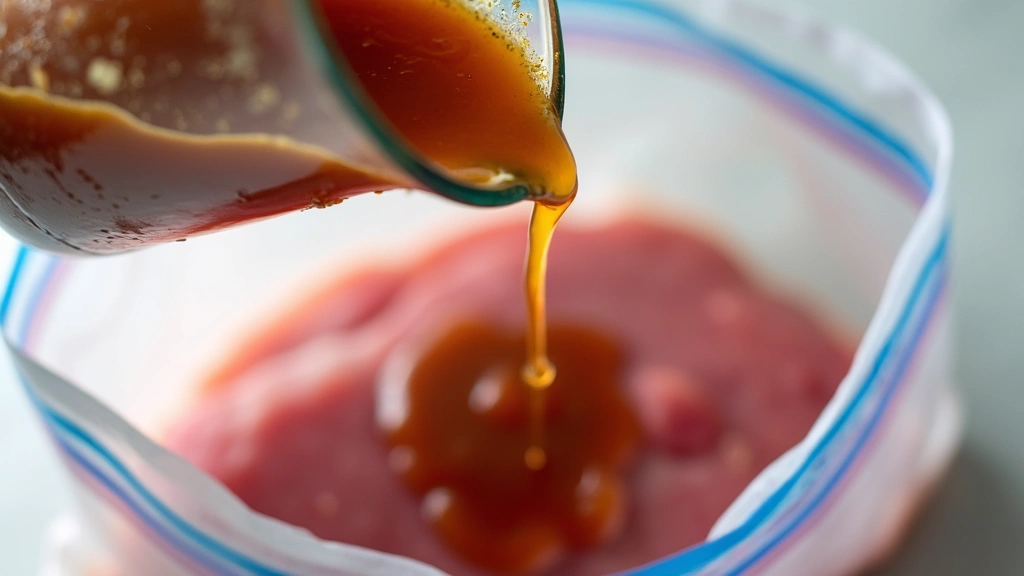
Place the pork tenderloin in a resealable plastic bag or shallow dish.
Pour the marinade over the pork, ensuring it's fully coated.
Seal the bag or cover the dish and refrigerate for at least 30 minutes.
Marinating infuses the pork with flavor and tenderizes the meat.
Step 4: Preheat the Oven

Preheat your oven to 400°F (205°C) to ensure even cooking.
Adjust the oven rack to the middle position.
Allow the oven to fully preheat before baking the pork.
Proper preheating is crucial for achieving the right texture.
Step 5: Sear the Pork
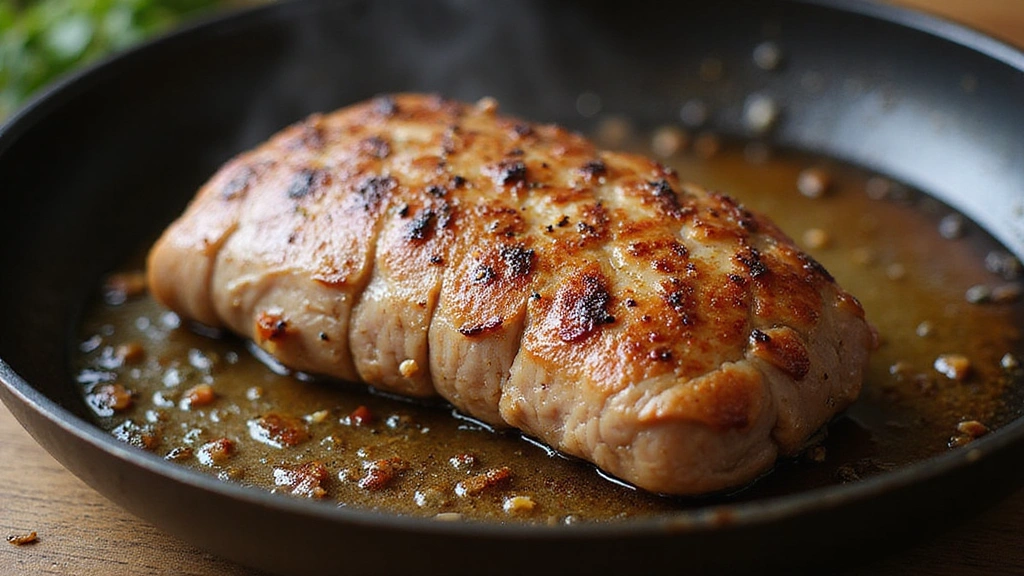
Heat a skillet over medium-high heat and add a little oil.
Remove the pork from the marinade and pat dry with paper towels.
Sear the pork on all sides for about 2-3 minutes per side.
A good sear ensures a flavorful crust on the tenderloin.
Step 6: Bake the Pork
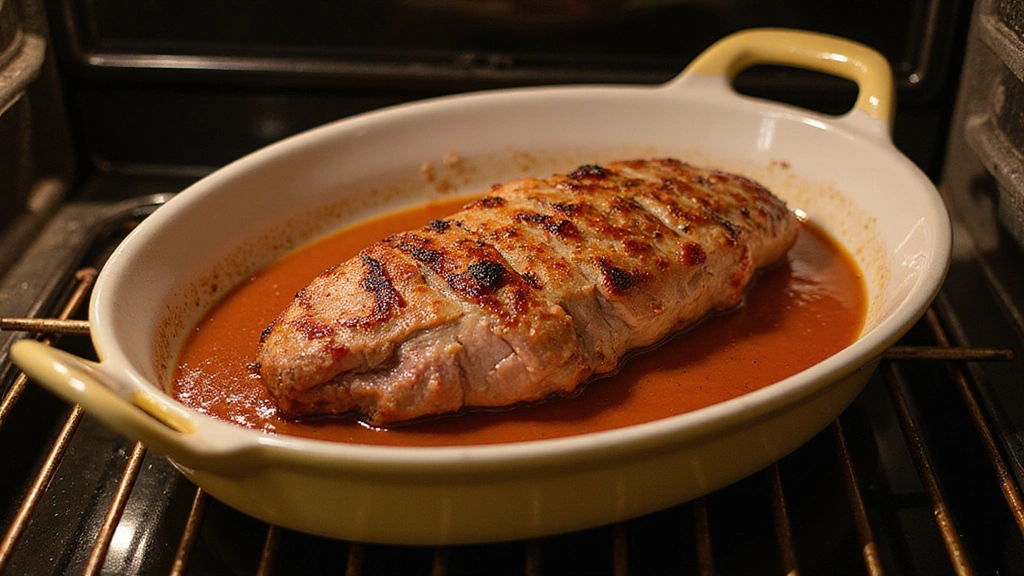
Transfer the seared pork to a baking dish.
Place the dish in the preheated oven.
Bake for approximately 20-25 minutes or until the internal temperature reaches 145°F (63°C).
Baking ensures the pork is cooked through while remaining juicy.
Step 7: Rest the Pork
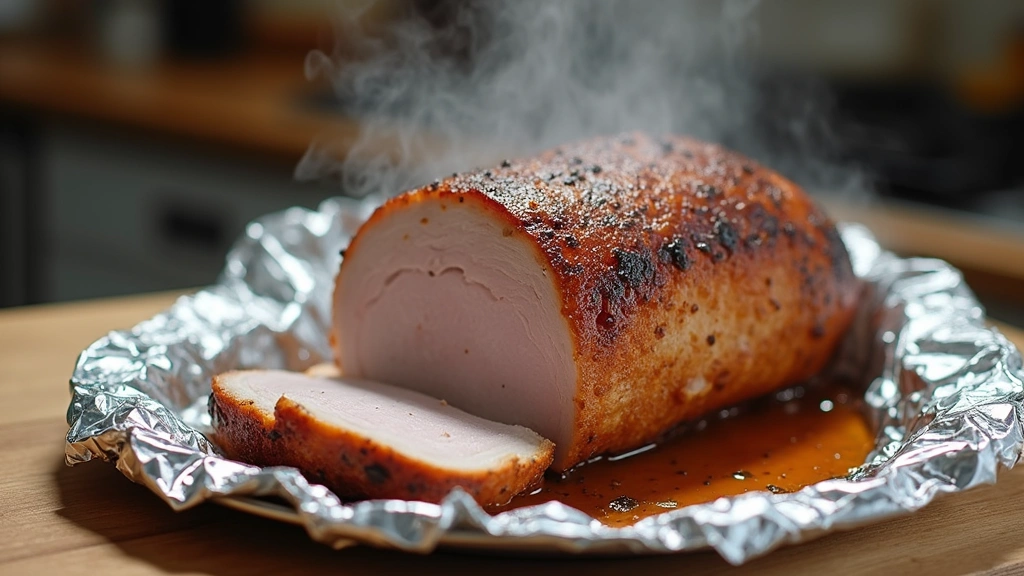
Remove the pork from the oven once it reaches the desired temperature.
Cover the dish with aluminum foil and let it rest for 5-10 minutes.
This resting period allows the juices to redistribute throughout the meat.
Resting is key to maintaining a juicy and tender texture.
Step 8: Slice and Serve
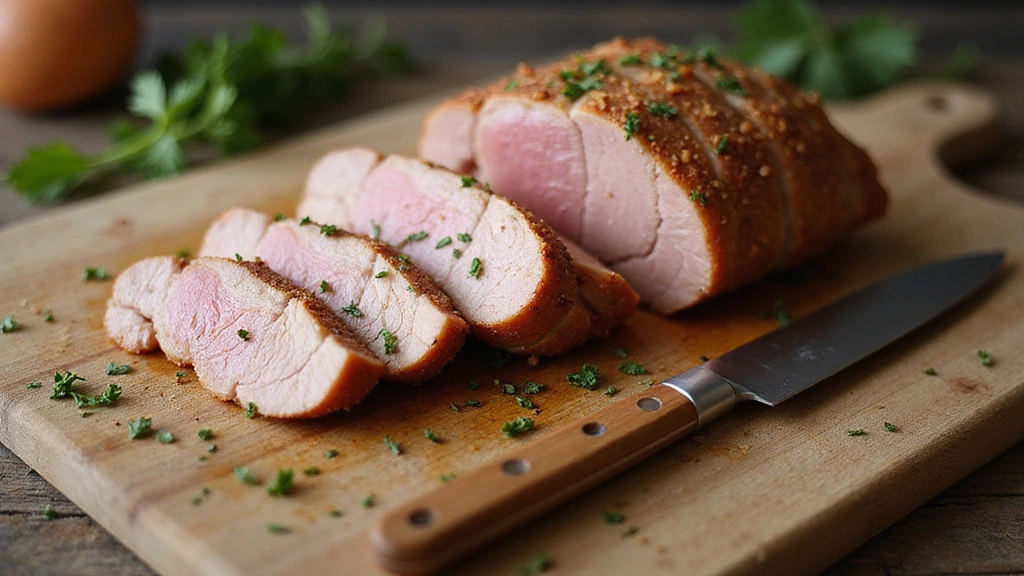
Carefully remove the foil and transfer the pork to a cutting board.
Using a sharp carving knife, slice the pork into medallions.
Arrange the slices on a serving platter.
Slicing against the grain ensures tender pieces of meat.





Critical Timing and Temperature Guide
Searing: Sear the pork for 2-3 minutes per side over medium-high heat until a golden crust forms. Avoid overcrowding the pan to ensure even browning.
Baking: Bake at 400°F for 20-25 minutes or until the internal temperature reaches 145°F. Use a meat thermometer for accuracy and avoid overcooking.
Resting: Allow the pork to rest for 5-10 minutes under foil after baking. This step is crucial for juicy results and should not be skipped.
Pro Tips for Perfect Baked Pork
• Ingredient Selection: Choose a fresh, high-quality pork tenderloin. Look for cuts with a firm texture and a pinkish-red color for the best results.
• Preparation Secret: Pat the pork dry before searing. This helps achieve a better crust and prevents steaming.
• Temperature Management: Ensure your oven is fully preheated before baking to maintain even heat distribution.
• Texture Enhancement: Sear the pork well on all sides to lock in juices and enhance the crust.
• Flavor Layering: Use a combination of soy sauce and honey in the marinade for a balance of umami and sweetness.
• Make-Ahead Strategies: Marinate the pork overnight for deeper flavor. Store in the fridge and allow it to come to room temperature before cooking.
• Restaurant-Quality Finishing Touches: Garnish with fresh herbs like rosemary or thyme for a burst of color and flavor.
• Equipment Optimization: Use a digital meat thermometer for precise temperature readings to avoid overcooking.
Troubleshooting Common Issues
• Meat Too Dry: Dry pork is usually the result of overcooking. Use a meat thermometer to check doneness and rest the meat to allow juices to redistribute.
• Uneven Cooking: Ensure the pork is of uniform thickness. Consider pounding the thicker parts to even it out before cooking.
• Flavor Too Mild: Increase the marinating time for more intense flavor, or add additional spices to the marinade.
• Crust Not Forming: Make sure the pork is properly dried before searing, and the pan is hot enough to achieve a good sear.
• Slicing Difficulty: If slicing is difficult, ensure you are using a sharp knife and cutting against the grain of the meat.
Variations and Regional Differences
• Italian Style: This version uses rosemary and garlic in the marinade, with a splash of balsamic vinegar for a tangy twist.
• Asian Fusion: Incorporate ginger and sesame oil into the marinade, and finish with a soy glaze for an Eastern flair.
• Southern BBQ: Rub the pork with a blend of smoked paprika, cayenne, and brown sugar, then bake with a BBQ sauce glaze for a sweet and spicy kick.
• Mediterranean: Use a marinade of olive oil, lemon juice, and oregano, and serve with a side of tzatziki sauce for a refreshing touch.
Food Science Behind the Recipe
• Maillard Reaction: This chemical reaction between amino acids and reducing sugars gives seared pork its distinct flavor and color.
• Protein Denaturation: Cooking the pork causes proteins to denature, which firms up the meat and changes its texture.
• Marination Chemistry: The acidic component in the marinade helps break down muscle fibers, tenderizing the meat and allowing flavors to penetrate deeper.
Frequently Asked Questions
What's the most common mistake people make when preparing Baked Pork Tenderloin? Overcooking the pork is a frequent error. Using a meat thermometer to check for a safe internal temperature of 145°F can prevent this.
How can I ensure my pork is flavorful? Allow sufficient marinating time and use a well-balanced marinade with both acidic and sweet components.
Can I use a different cut of pork for this recipe? While the tenderloin is ideal for its tenderness, pork loin can be used as a substitute, though it may require longer cooking time.
Is it necessary to sear the pork before baking? Yes, searing helps develop flavor and locks in juices, making for a tastier dish.
How should I store leftovers? Store sliced pork in an airtight container in the refrigerator for up to three days. Reheat gently to maintain moisture.
Can I freeze the marinated pork? Yes, you can freeze the marinated pork for up to three months. Thaw in the refrigerator before cooking.
What sides pair well with Baked Pork Tenderloin? Roasted vegetables, mashed potatoes, or a fresh green salad complement the pork beautifully.
Serving and Presentation Guide
• Traditional Presentation: Arrange the sliced pork on a platter in a fan shape, garnished with sprigs of fresh rosemary and thyme.
• Modern Plating: Serve individual portions on white plates, drizzled with a reduction of the marinade and a sprinkle of chopped parsley.
• Casual Style: Present the pork on a wooden board with a selection of dipping sauces and rustic bread slices for a relaxed, communal meal.
Conclusion
With its rich flavor and tender texture, Baked Pork Tenderloin is a dish that never fails to impress.
Whether you're cooking for family or hosting a dinner party, this recipe is sure to be a hit.
With these tips and techniques, you'll achieve perfect results every time.
Give this recipe a try and enjoy a culinary classic that's both delicious and satisfying.