
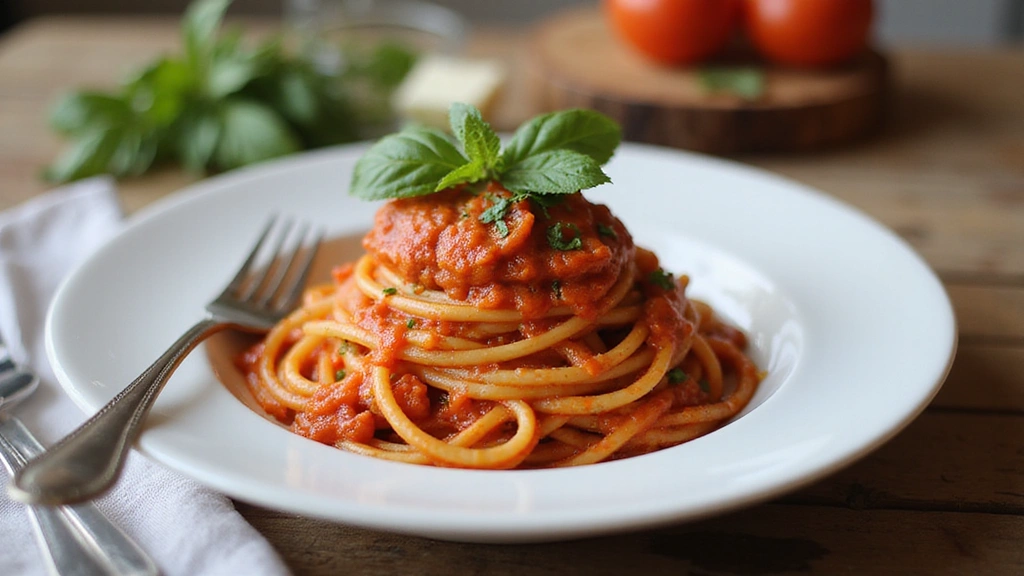


The simple red sauce pasta is a culinary staple that combines a rich history with everyday convenience.
Its vibrant tomato base, enriched with aromatic herbs, results in a flavor profile that’s both robust and comforting.
I first fell in love with this dish during a cozy family dinner, where the room was filled with laughter and the irresistible aroma of simmering sauce.
Whether it’s a quick weeknight meal or a weekend indulgence, this dish brings a taste of Italian tradition to your table.
With minimal ingredients and straightforward preparation, you can create a meal that’s both satisfying and hearty.
The History and Cultural Significance
• Simple Red Sauce traces its origins to Southern Italy in the late 18th century, where it was originally created by resourceful home cooks using plentiful local tomatoes.
• The dish evolved over decades as new spices and ingredients were introduced, eventually becoming the beloved version we know today.
• In Italian culture, this dish traditionally appears at family gatherings, symbolizing warmth, togetherness, and a love for simple, good food.
• While many variations exist across different regions, the authentic version maintains a balance of tomato acidity and herbal freshness that sets it apart from imitations.


Recipe Overview
Nutritional Information (per serving)



Essential Equipment Guide
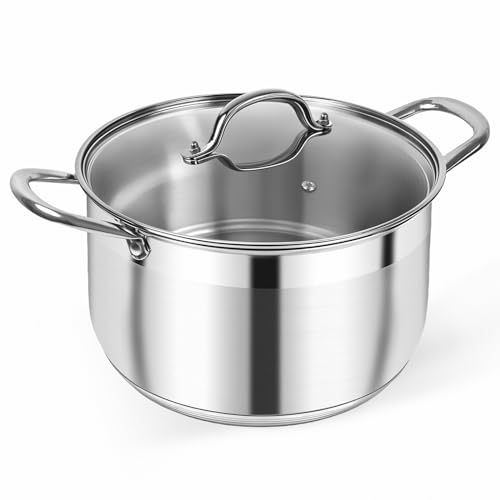
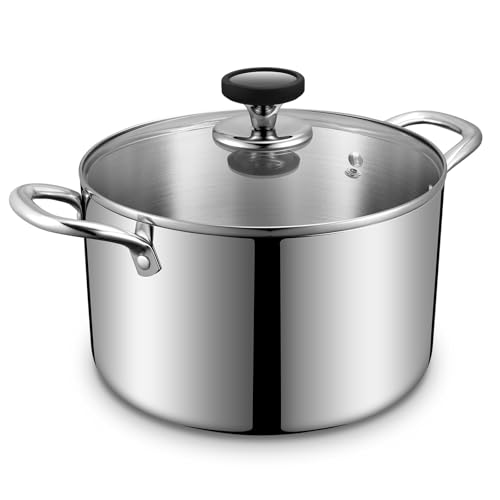
Large Pot: A large pot allows for even cooking of the pasta and sauce, ensuring everything heats evenly without sticking. Alternatives include a deep skillet or Dutch oven, but ensure it has a wide base for proper heat distribution.
Sieve or Colander: Crucial for draining pasta efficiently without losing any of its texture. A mesh sieve is a good alternative, but make sure it fits the amount of pasta you’re making.
Wooden Spoon: Ideal for stirring the sauce, as it won’t scratch the pot and helps incorporate ingredients smoothly. A silicone spatula can also work, but look for one with a sturdy handle.


Ingredients
For the Base
|
|
| Amount | Ingredient | Notes |
|---|---|---|
| 300 grams | spaghetti | cooked al dente |
| 1 tablespoon | olive oil | to prevent sticking |
For the Sauce
| Amount | Ingredient | Notes |
|---|---|---|
| 2 tablespoons | olive oil | for sautéing |
| 4 cloves | garlic | finely chopped |
| 1 can (400g) | crushed tomatoes | for the base flavor |
Seasonings
| Amount | Ingredient | Notes |
|---|---|---|
| 1 teaspoon | dried oregano | adds earthy notes |
| 1 teaspoon | dried basil | adds sweetness |
| 0.5 teaspoon | salt | to taste |
| 0.5 teaspoon | black pepper | freshly ground, to taste |
Preparation Methods
Sautéing Garlic: Gently cooking garlic in olive oil until golden brown enhances its flavor without burning it. This step is crucial as burnt garlic can make the sauce bitter. Keep the heat low and stir constantly for even cooking.
Simmering Sauce: Allowing the sauce to simmer helps the flavors meld together. A slow simmer should have small bubbles rising to the surface. Stir occasionally to prevent the sauce from sticking to the pot.
Cooking Pasta Al Dente: Boiling pasta until it's firm to the bite ensures it holds up well in the sauce. Use plenty of water and stir often to prevent clumping.



Step 1: Prepare Ingredients

Gather all ingredients and equipment.
Measure out spices and chop garlic.
Ensure pasta is ready to cook.
Set out a large pot for boiling.
Step 2: Cook Pasta

Fill a large pot with water and bring to a boil.
Add a pinch of salt and the spaghetti.
Cook pasta until al dente, about 8-10 minutes.
Drain pasta and toss with olive oil.
Step 3: Heat Oil

In a separate pot, heat olive oil over medium heat.
Add chopped garlic once the oil is shimmering.
Sauté until garlic is golden, not brown.
Keep stirring to avoid burning.
Step 4: Add Tomatoes

Pour the crushed tomatoes into the pot with garlic.
Stir to combine evenly.
Bring to a slight simmer.
Reduce heat to low to maintain simmer.
Step 5: Season Sauce
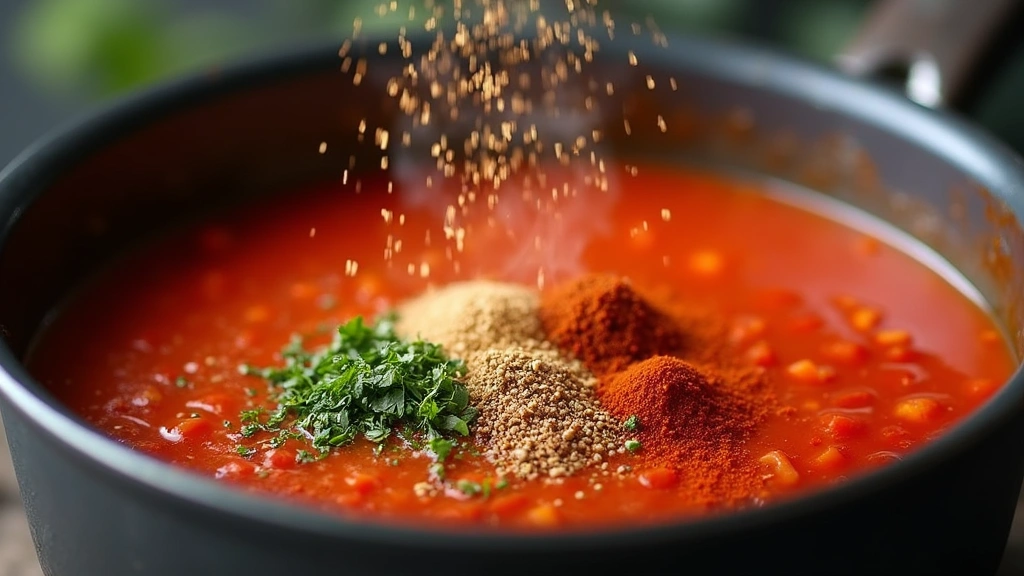
Add oregano, basil, salt, and pepper to the tomato mixture.
Stir well to incorporate all seasonings.
Adjust spices to taste if necessary.
Continue to simmer for 15 minutes.
Step 6: Combine Pasta and Sauce
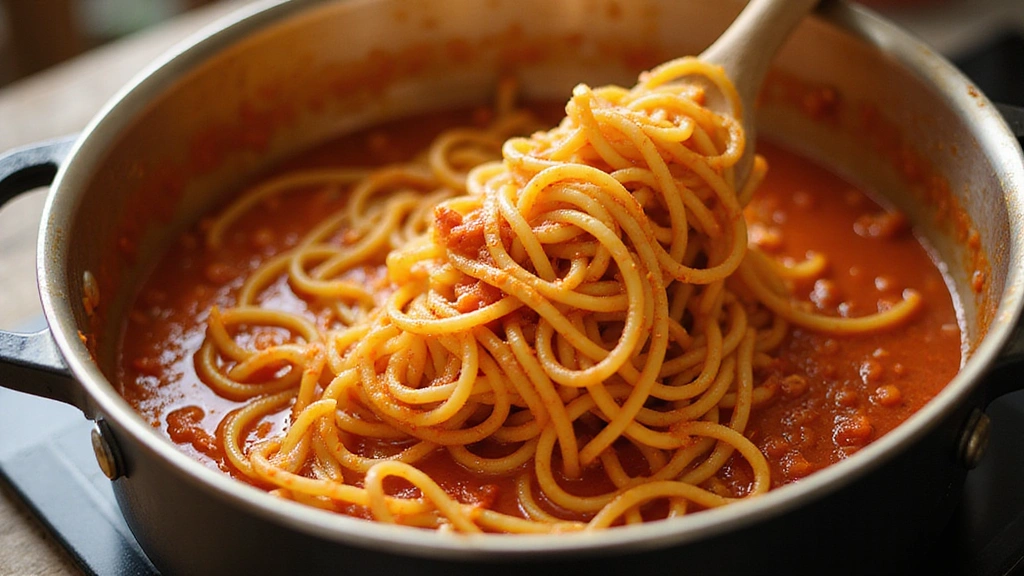
Add cooked pasta to the simmering sauce.
Toss gently to coat the pasta evenly.
Ensure each strand is well-sauced.
Let cook together for 2-3 minutes.
Step 7: Taste and Adjust
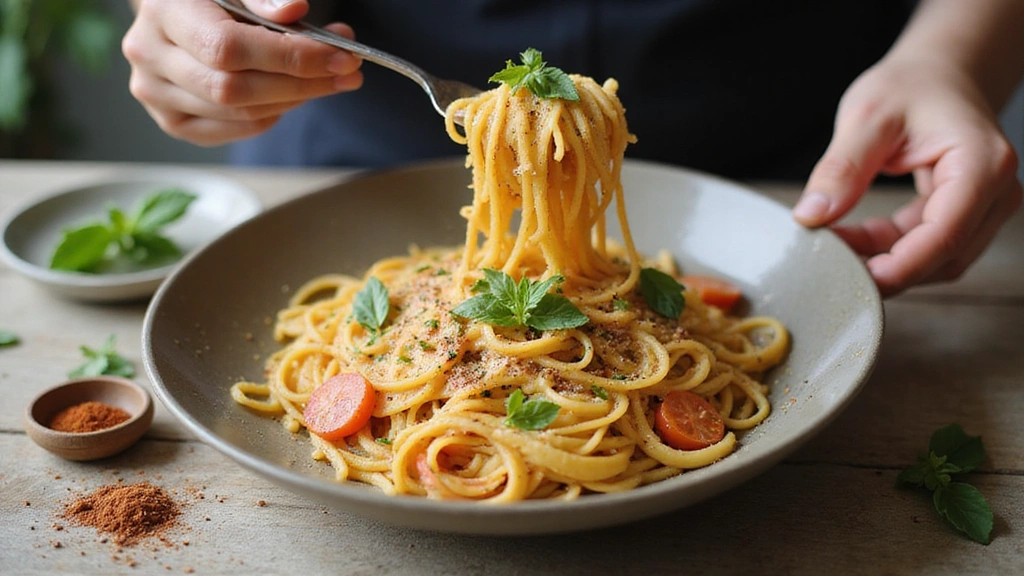
Taste the pasta for seasoning.
Add more salt or pepper if needed.
Make sure the flavor is balanced.
Adjust any other spices if desired.
Step 8: Serve

Plate the pasta generously.
Garnish with fresh basil leaves if available.
Serve immediately while hot.
Enjoy your meal.
Critical Timing and Temperature Guide
Sautéing Garlic: Sauté for 1-2 minutes until golden. Avoid high heat which can burn the garlic quickly, leading to bitterness.
Simmering Sauce: Maintain a low simmer for 15 minutes. Look for small bubbles, indicating proper heat without overcooking.
Cooking Pasta: Boil for 8-10 minutes until al dente. Test by biting a strand; it should be firm yet not hard.
Pro Tips for Simple Red Sauce
• Ingredient Selection: Use high-quality canned tomatoes for the best flavor, as they form the base of your sauce.
• Preparation Secret: Adding a pinch of sugar can balance out the acidity of the tomatoes, enhancing the overall taste.
• Temperature Management: Keeping the sauce at a low simmer prevents it from reducing too much or burning.
• Texture Enhancement: Stirring the pasta into the sauce allows starches to thicken the mixture naturally.
• Flavor Layering: Toasting the garlic in olive oil before adding tomatoes builds a deeper flavor profile.
• Make-Ahead Strategies: The sauce can be made a day in advance and stored in the refrigerator, allowing flavors to develop further.
• Restaurant-Quality Finishing Touches: Drizzle with a touch of high-quality olive oil before serving for added richness.
• Equipment Optimization: Use a heavy-bottomed pot to prevent the sauce from scorching and ensure even cooking.
Troubleshooting Common Issues
• Overly Salty: If the sauce is too salty, add a small amount of sugar or unsalted broth to balance it.
• Watery Sauce: Continue to simmer until the sauce reduces or add a spoonful of tomato paste to thicken.
• Bitter Taste: Overcooked garlic can cause bitterness; ensure garlic is sautéed until just golden.
• Pasta Sticking: Toss cooked pasta with olive oil immediately after draining to prevent clumping.
• Flavors Not Blending: Allow the sauce to simmer longer to meld the flavors properly.
• Burnt Sauce: Stir the sauce frequently and keep the heat low to avoid scorching.
Variations and Regional Differences
• Neapolitan Style: Uses fresh tomatoes and omits garlic, emphasizing the natural sweetness of tomatoes.
• Sicilian Variation: Adds capers and olives for a briny, bold twist typical of island cuisine.
• Americanized Version: Often includes ground beef or sausage, turning it into a hearty, meaty sauce.
• Spicy Arrabbiata: Incorporates red pepper flakes for a spicy kick, popular in the Lazio region.
Food Science Behind the Recipe
• Maillard Reaction: Sautéing garlic initiates the Maillard reaction, enhancing the complexity of flavors through browning.
• Emulsification: Mixing pasta with sauce helps emulsify the sauce, combining fats and liquids for a smooth texture.
• Acid-Base Balance: Tomatoes' natural acidity can be balanced with sugar, affecting taste perception by reducing tartness.
Frequently Asked Questions
What's the most common mistake people make when preparing red sauce pasta? Overcooking the garlic, which can lead to a bitter taste.
Can I use fresh tomatoes instead of canned? Yes, but you'll need to peel and deseed them first for a smoother sauce.
How can I make the sauce thicker? Let it simmer longer or add tomato paste to achieve the desired consistency.
Is it possible to make this recipe vegan? Absolutely, just ensure all ingredients, like pasta, are plant-based.
What's the best type of pasta for this sauce? Spaghetti is classic, but penne or fettuccine also work well.
How can I add protein to this dish? Consider adding grilled chicken or a meat substitute like tofu.
What's a good side dish to serve with red sauce pasta? A fresh green salad or garlic bread complements it perfectly.
Serving and Presentation Guide
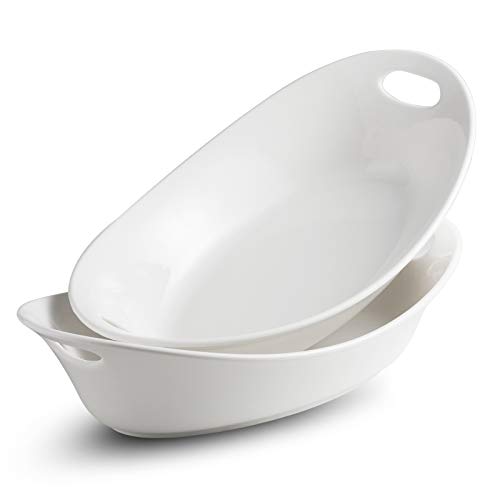
• Traditional Presentation: Serve in a deep bowl, topped with freshly grated Parmesan and a sprig of basil.
• Family-Style: Present in a large serving dish with tongs for guests to serve themselves.
• Gourmet Touch: Drizzle a balsamic reduction over the plated pasta for a sophisticated finish.
• Casual Setting: Pair with a rustic bread basket and a small bowl of olive oil for dipping.




Conclusion
Creating a simple red sauce pasta is more than just a meal; it's an experience rooted in tradition and flavor.
With each step, you'll find that the process is as rewarding as the taste itself.
So gather your ingredients, and let the aromas of Italy fill your kitchen, inviting everyone to gather around the table.