
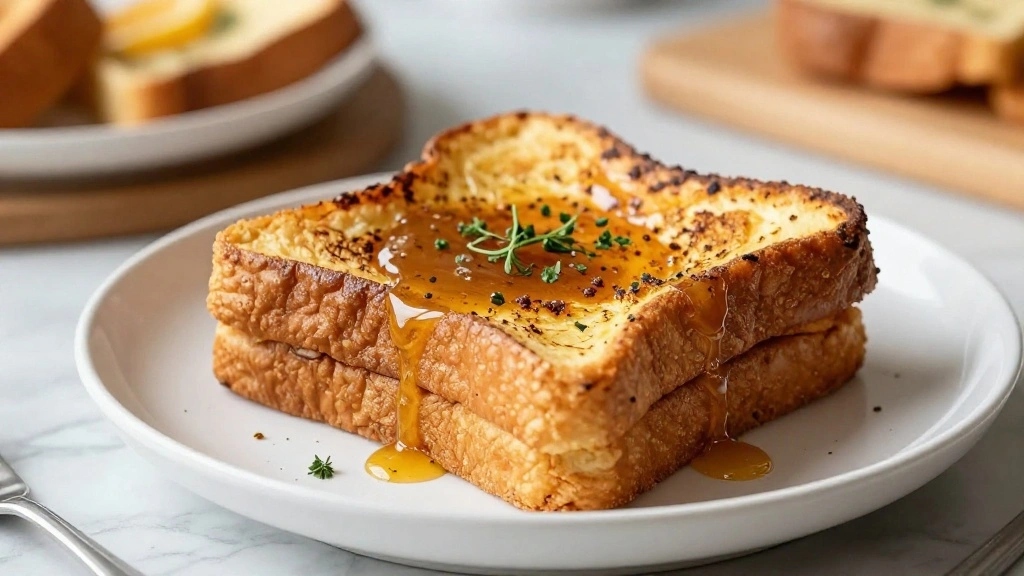


This classic French Toast brings together centuries of culinary tradition with modern techniques to create a dish that’s both comforting and elegant.
The harmonious balance of warm spices, creamy custard, and crispy golden-brown bread creates a memorable dining experience that will have everyone asking for your secret.
I discovered this recipe during my travels through France, where local chefs have perfected it through generations of careful refinement.
Whether you’re preparing a casual family breakfast or hosting a special brunch, this French Toast delivers impressive results with straightforward preparation.
The History and Cultural Significance
• French Toast traces its origins to ancient Rome, where it was originally created by soaking bread in milk and egg before frying.
• The dish evolved over decades as sugar and spices like cinnamon were added, eventually becoming the beloved version we know today.
• In France, this dish traditionally appears at breakfast or brunch, symbolizing indulgence and comfort.
• While many variations exist across different regions, the authentic version maintains a rich custard flavor and a crispy exterior that sets it apart from imitations.


Recipe Overview
Nutritional Information (per serving)




Essential Equipment Guide
Whisk: A good whisk is crucial for blending the eggs and milk into a smooth custard. Alternatives like a fork can work in a pinch, but a whisk provides better aeration and consistency. Look for one with a comfortable grip and flexible wires.
Non-stick Skillet: A non-stick skillet ensures even cooking and prevents the French Toast from sticking. Cast iron skillets can also work if properly seasoned. Choose a skillet with a thick base for even heat distribution.
Spatula: A wide, flexible spatula makes flipping the French Toast easier without breaking it. Silicone spatulas are ideal as they won’t scratch your skillet.
Ingredients
For the Base
|
|
| Amount | Ingredient | Notes |
|---|---|---|
| 4 large | eggs | adds richness |
| 1 cup | whole milk | creates creamy custard |
Seasonings
| Amount | Ingredient | Notes |
|---|---|---|
| 1 teaspoon | cinnamon | adds warmth |
| 0.5 teaspoon | nutmeg | adds depth |
| 2 tablespoons | sugar | balances flavors |
| 1 teaspoon | vanilla extract | enhances sweetness |
Bread
| Amount | Ingredient | Notes |
|---|---|---|
| 8 slices | brioche or challah | thick-sliced for best absorption |




Preparation Methods
Custard Preparation: Whisking the eggs and milk until fully combined is crucial for a smooth custard base. This step ensures the mixture coats the bread evenly, preventing clumps and providing a uniform texture.
Soaking Technique: Allowing the bread to soak in the custard for a few minutes is key. This process ensures the bread absorbs enough moisture to become creamy inside while remaining crispy outside.
Temperature Control: Cooking the French Toast over medium heat allows the bread to cook through without burning the exterior. Maintaining consistent heat is essential for even browning.




Step 1: Prepare Ingredients
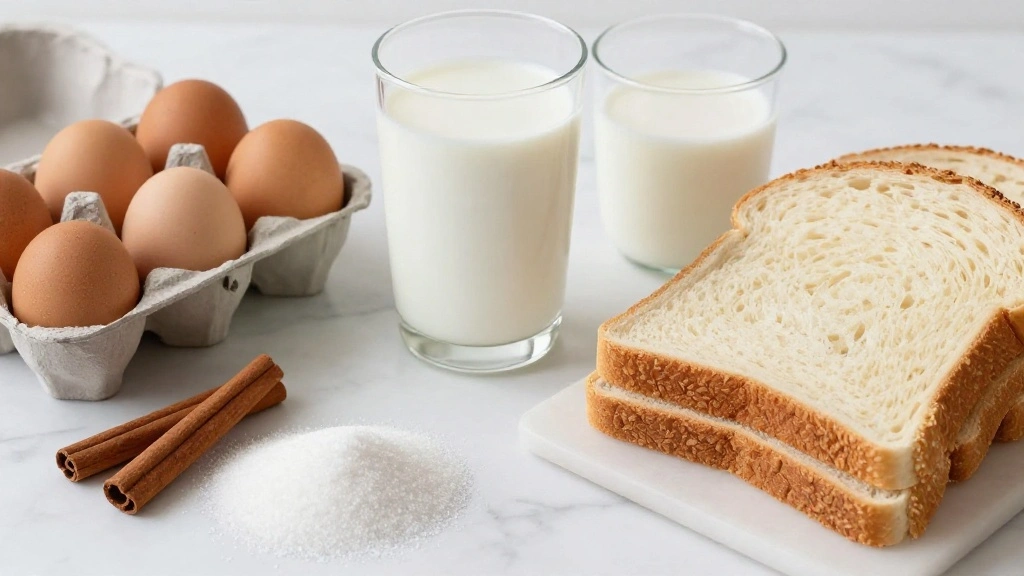
Gather all ingredients and equipment.
Ensure the eggs and milk are at room temperature for smoother blending.
Measure out the spices and sugar.
Slice the bread if necessary, ensuring each piece is approximately 1-inch thick.
Step 2: Make the Custard
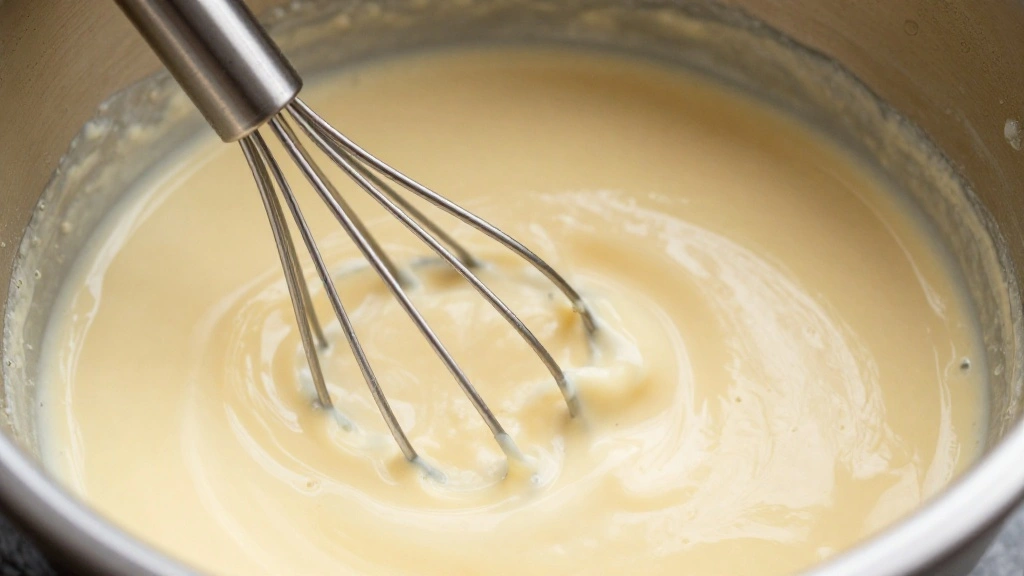
Crack the eggs into a large mixing bowl.
Add the milk, cinnamon, nutmeg, sugar, and vanilla extract.
Whisk vigorously until the mixture is smooth and slightly frothy.
Ensure there are no streaks of egg whites remaining.
Step 3: Soak the Bread
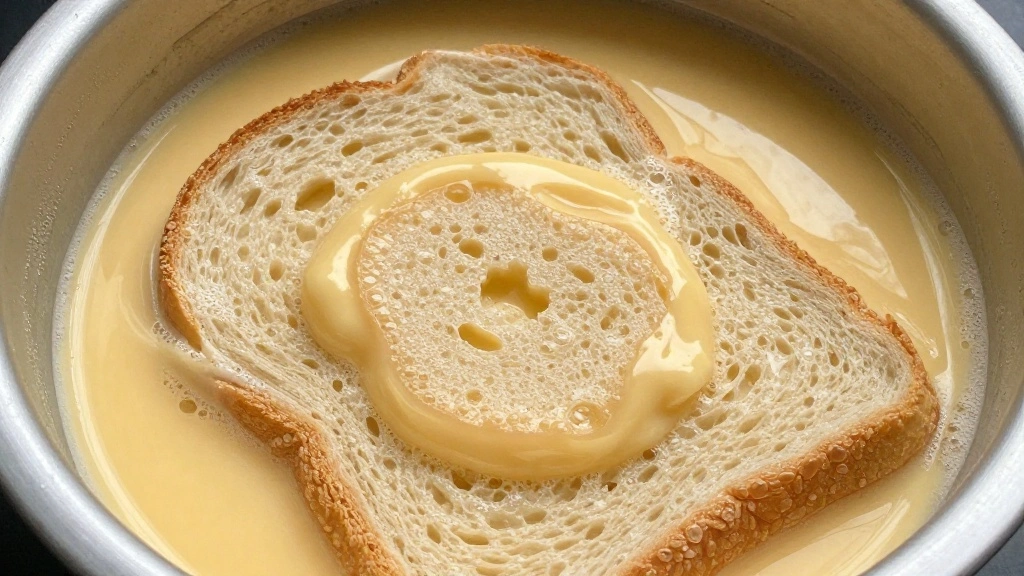
Place the bread slices into a shallow dish.
Pour the custard mixture over the bread, ensuring each slice is fully submerged.
Allow the bread to soak for 2-3 minutes, flipping halfway through.
Check that each slice is thoroughly soaked but not falling apart.
Step 4: Preheat the Skillet
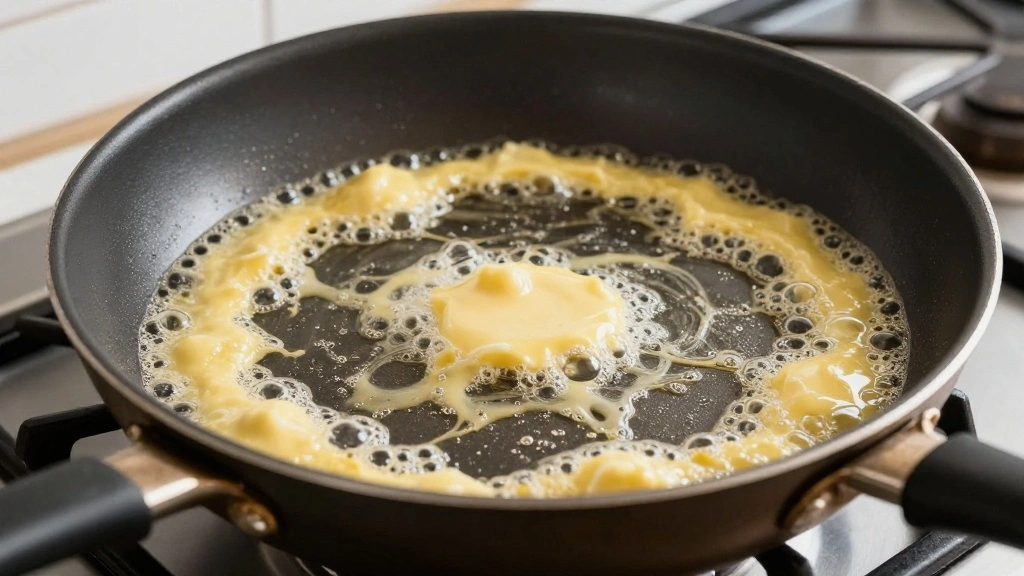
Place a non-stick skillet over medium heat.
Add a small amount of butter to the skillet, allowing it to melt completely.
Swirl the butter around to coat the skillet evenly.
Ensure the butter is sizzling but not burning before adding the bread.
Step 5: Cook the French Toast
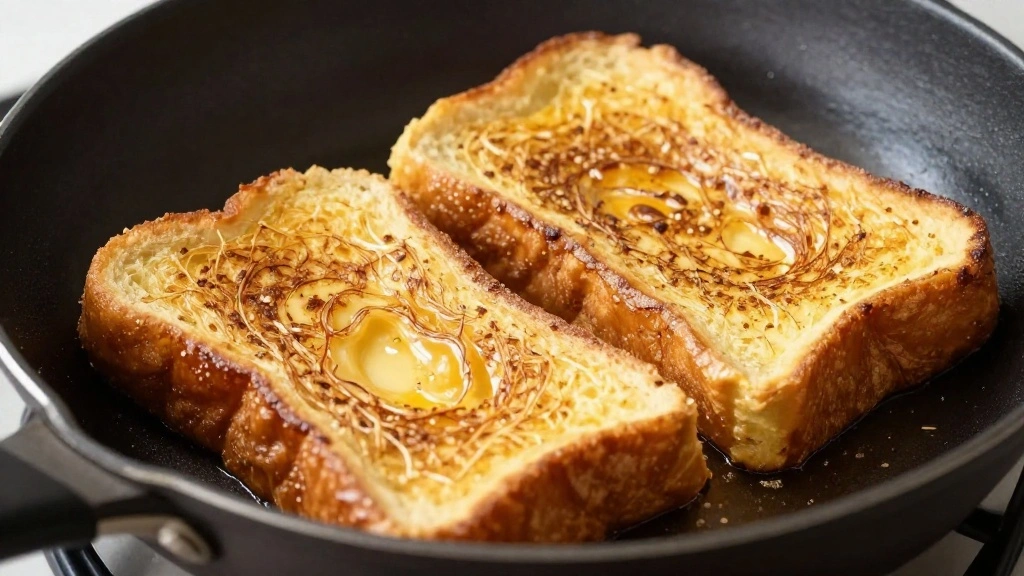
Carefully place the soaked bread slices into the skillet.
Cook for 3-4 minutes on one side until golden brown.
Flip the slices using a spatula, cooking the other side for another 3-4 minutes.
Check for even browning and a firm texture.
Step 6: Keep Warm
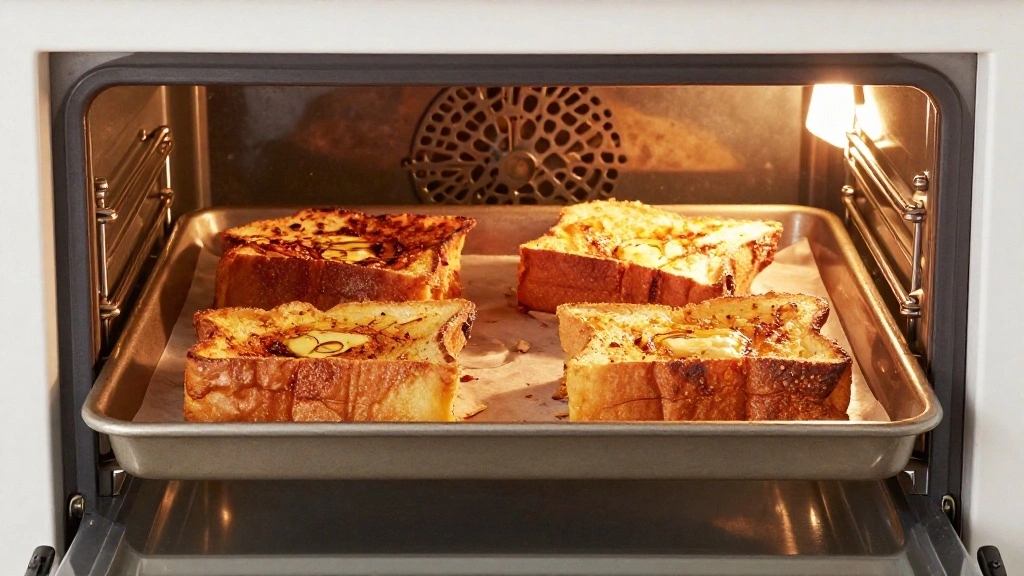
Transfer the cooked French Toast to a baking sheet.
Place the sheet in a preheated oven at 200°F to keep warm.
Repeat the cooking process with remaining bread slices.
Ensure all slices are kept warm until serving.
Step 7: Prepare Toppings
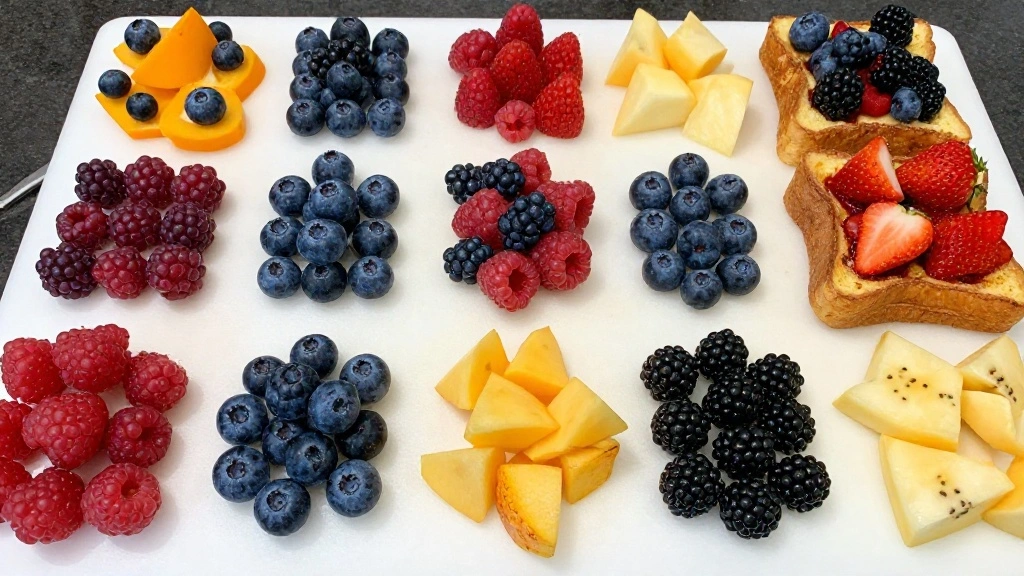
Gather fresh berries and other desired toppings.
Wash and dry the berries thoroughly.
Pre-slice any larger fruits like bananas or strawberries.
Prepare a small bowl of powdered sugar for dusting.
Step 8: Serve and Garnish
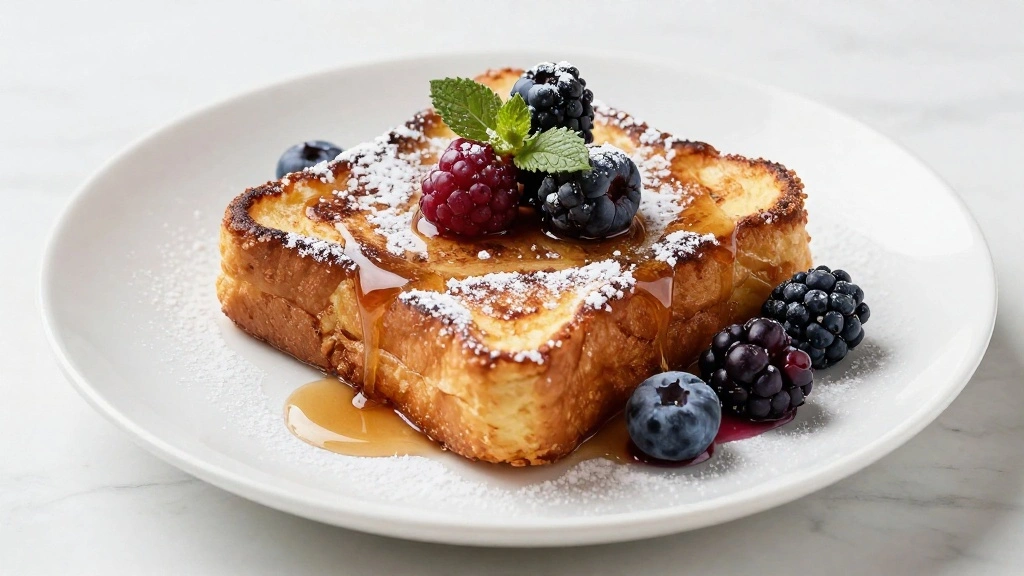
Arrange the French Toast on serving plates.
Add a generous helping of fresh berries on top.
Dust with powdered sugar for an elegant finish.
Serve immediately with maple syrup or honey on the side.
Critical Timing and Temperature Guide
Soaking the Bread: Soak for 2-3 minutes per side to ensure full absorption without becoming soggy. Look for bread that is moist but still holds its shape.
Cooking on Skillet: Maintain medium heat, cooking each side for 3-4 minutes. Watch for a golden-brown color and avoid burning by adjusting heat as needed.
Oven Warming: Keep cooked French Toast warm at 200°F until serving. Avoid leaving it in the oven too long to prevent drying out.
Pro Tips for French Toast
• Ingredient Selection: Choose high-quality brioche or challah for the best texture and flavor. Fresh spices will enhance the dish significantly.
• Preparation Secret: Letting the custard mixture rest for a few minutes helps the flavors meld and results in a smoother texture.
• Temperature Management: Ensure all ingredients, especially eggs and milk, are at room temperature before starting to improve blending.
• Texture Enhancement: Use slightly stale bread to better absorb the custard without falling apart.
• Flavor Layering: Infuse a hint of citrus zest into the custard for an extra layer of complexity.
• Make-Ahead Strategies: Prepare the custard and soak the bread the night before, keeping them refrigerated separately.
• Restaurant-Quality Finishing Touches: Garnish with a sprig of mint or a light drizzle of homemade berry compote.
• Equipment Optimization: Use a heavy-bottomed skillet to ensure even heat distribution and prevent hot spots.
Troubleshooting Common Issues
• Texture Too Dense: This can be caused by not soaking the bread long enough. Ensure each slice is thoroughly soaked and slightly spongy before cooking.
• Flavors Unbalanced: If the dish lacks flavor, check spice freshness and adjust sugar levels to balance sweetness.
• Custard Not Absorbing: Ensure the bread is either day-old or slightly dried out, which allows better absorption.
• Bread Falling Apart: This often happens if the bread is too thin or over-soaked. Use thicker slices and monitor soaking time closely.
• Uneven Browning: Adjust the heat to medium and ensure butter is evenly distributed in the skillet to prevent hot spots.
• Overcooking: If the French Toast is becoming dry, reduce cooking time slightly and ensure consistent skillet heat.
Variations and Regional Differences
• American Variation: Often includes a higher sugar content and additional spices like cardamom for a sweeter profile. Commonly served with bacon or sausage.
• French Pain Perdu: Literally "lost bread," this version uses stale baguette slices and tends to be less sweet, focusing on the egg and milk custard.
• Asian Hong Kong Style: Typically deep-fried and served with syrup or condensed milk, offering a richer texture and sweetness.
• Mexican Capirotada: A dessert-style variation incorporating cheese, nuts, and dried fruits, often baked and served during Lent.


Food Science Behind the Recipe
• Maillard Reaction: The browning of the bread is due to the Maillard reaction, where proteins and sugars interact at high heat, creating complex flavors and aromas.
• Emulsification: Whisking the eggs and milk creates an emulsion that helps coat the bread evenly, preventing separation during cooking.
• Gelatinization: The starches in the bread absorb the custard and swell, resulting in a creamy interior once cooked.
Frequently Asked Questions
What's the most common mistake people make when preparing French Toast? Over-soaking the bread or using bread that's too fresh, leading to soggy results.
Can I use non-dairy milk for the custard? Yes, alternatives like almond or oat milk can be used, but they may alter the flavor slightly.
What's the best type of bread for French Toast? Brioche or challah are ideal due to their rich texture and flavor. Day-old bread works best.
How can I prevent my French Toast from sticking to the pan? Use a well-seasoned non-stick skillet or ensure sufficient butter coverage.
Is it possible to make French Toast in advance? Yes, you can prepare the custard and soak bread the night before, storing them separately in the fridge.
How do I store leftovers? Store cooked French Toast in an airtight container in the refrigerator, reheating in the oven for best results.
Can I freeze French Toast? Yes, freeze cooked slices individually wrapped, and reheat in a toaster or oven.
Serving and Presentation Guide
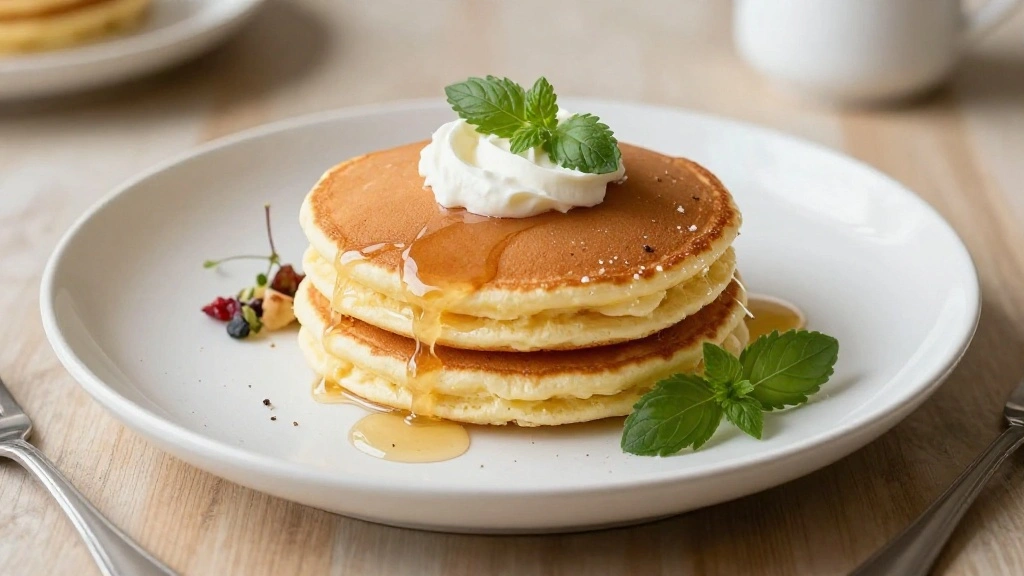
• Traditional Presentation: Serve with a dusting of powdered sugar, fresh berries, and a drizzle of maple syrup.
• Elegant Brunch Setting: Arrange on a platter with edible flowers and a side of whipped cream.
• Family-Style Breakfast: Stack slices on a large plate with a variety of toppings in small bowls for self-service.
• Cozy Comfort: Serve with a warm cup of coffee or hot cocoa, creating a comforting breakfast experience.





Conclusion
This classic French Toast recipe is a delightful way to start your day with elegance and flavor.
Its rich history and simple preparation make it a timeless favorite for breakfast lovers everywhere.
Whether you're new to cooking or a seasoned chef, this recipe offers a satisfying experience for all.
Give it a try and bring a taste of culinary tradition to your table.