


Mason jar salads have revolutionized the way we think about meal prep, combining convenience with nutrition in a single, portable package.
With layers of fresh vegetables, proteins, and grains, these salads offer a balanced meal that’s as visually appealing as it is delicious.
I first encountered mason jar salads during a busy work week, searching for a quick yet satisfying lunch option.
These salads are perfect for those who crave variety and flavor in their daily meals without spending hours in the kitchen.
Whether you’re a meal prep novice or a seasoned pro, this mason jar salad recipe will become a staple in your repertoire.
The History and Cultural Significance
• Mason Jar Salad traces its origins to the United States in the early 2000s, where it was originally created by health enthusiasts looking for convenient meal prep solutions.
• The dish evolved over decades as innovative home cooks experimented with diverse ingredients and layered techniques, eventually becoming the beloved version we know today.
• In American culture, this dish traditionally appears at picnics and potlucks, symbolizing a commitment to healthy eating and portability.
• While many variations exist across different regions, the authentic version maintains a layered structure that sets it apart from imitations.




Recipe Overview
Nutritional Information



Essential Equipment Guide
Mason Jars: Essential for achieving the classic layered look and convenient portability. Look for jars with secure lids to prevent leaks. Alternatives include any glass container with a tight seal.
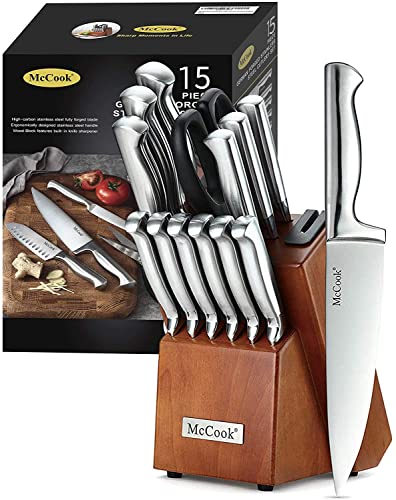
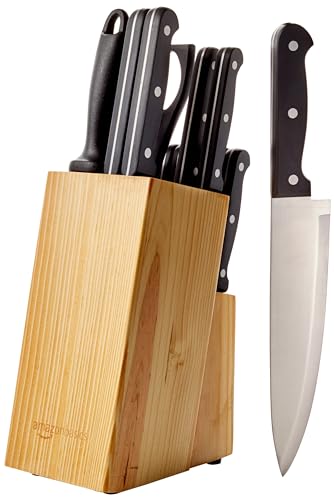
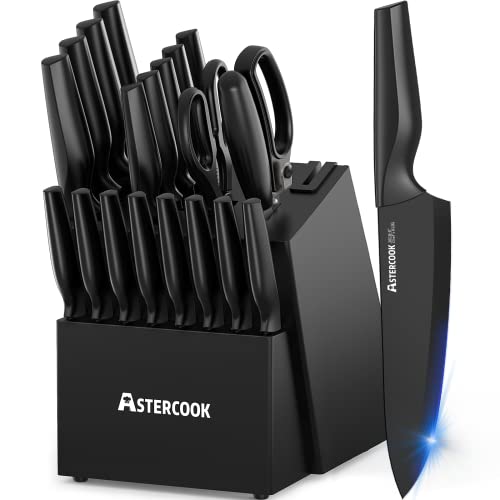
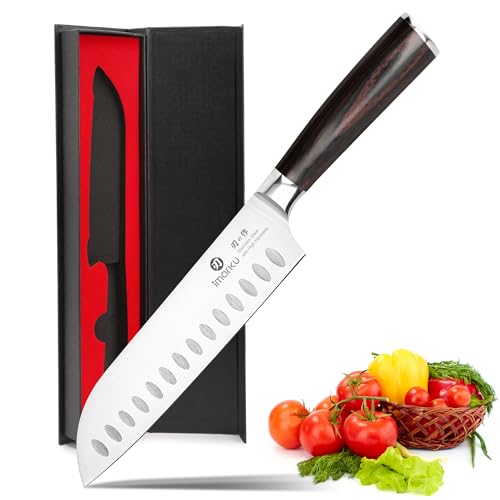
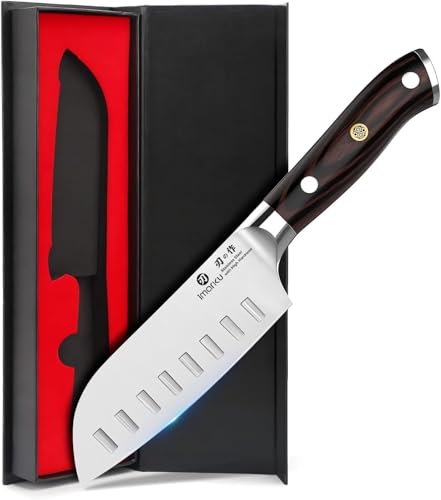
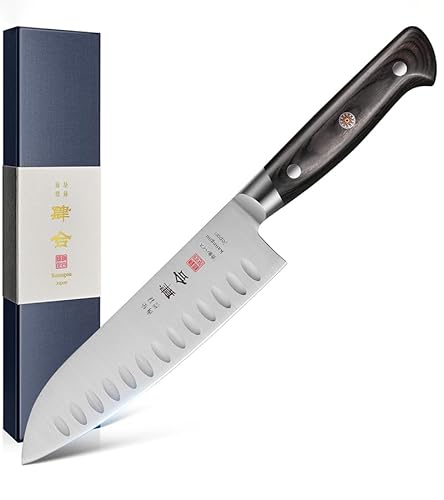
Sharp Knife: Important for precise slicing of vegetables to maintain uniform layers. A chef’s knife or mandoline can be used as alternatives.
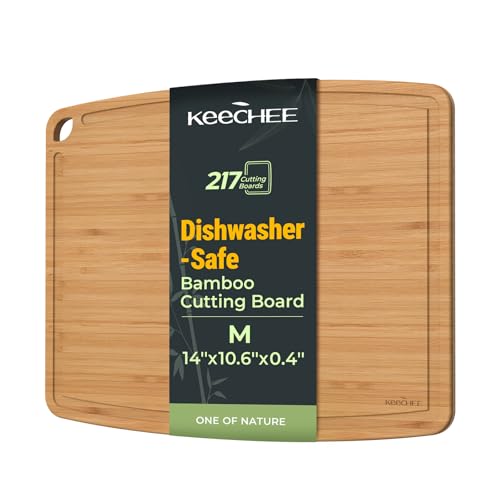
Cutting Board: Provides a stable surface for chopping ingredients safely. Choose one with a non-slip base for added safety.
Ingredients
For the Base
|
|
| Amount | Ingredient | Notes |
|---|---|---|
| 2 cups | quinoa | cooked, provides hearty texture |
For the Dressing
| Amount | Ingredient | Notes |
|---|---|---|
| 1/4 cup | olive oil | adds richness |
| 2 tablespoons | lemon juice | freshly squeezed for tang |
| 1 teaspoon | honey | for subtle sweetness |
Vegetables
| Amount | Ingredient | Notes |
|---|---|---|
| 1 cup | cherry tomatoes | halved, juicy and fresh |
| 1 cup | cucumber | sliced thin for crispness |
| 1 medium | carrot | shredded, adds color |
Protein
| Amount | Ingredient | Notes |
|---|---|---|
| 1 cup | chickpeas | cooked, protein-rich |
Seasonings
| Amount | Ingredient | Notes |
|---|---|---|
| 1 teaspoon | salt | enhances flavor |
| 1/2 teaspoon | black pepper | freshly ground for spice |



Preparation Methods
Layering Technique: Layering ingredients in a specific order prevents sogginess and ensures each bite is balanced. Start with dressing at the bottom, followed by heavier ingredients, and greens on top.
Chopping Uniformity: Ensuring uniform sizes of chopped vegetables guarantees even flavor distribution and texture. Mastery comes with practice and a steady hand.
Emulsifying Dressing: Creating a well-emulsified dressing ensures even coating and flavor. Vigorously whisk or shake ingredients in a sealed jar until blended.
Step 1: Prepare Ingredients
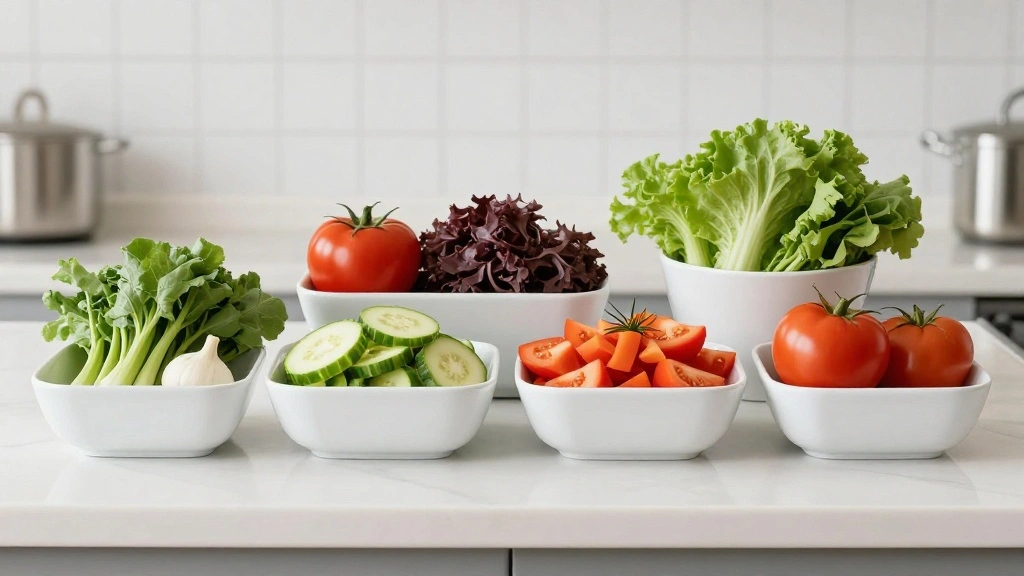
Wash all vegetables thoroughly.
Chop cherry tomatoes, slice cucumber, and shred carrot.
Ensure all pieces are of uniform size for even layering.
Arrange ingredients in separate bowls for easy assembly.
Step 2: Cook Quinoa
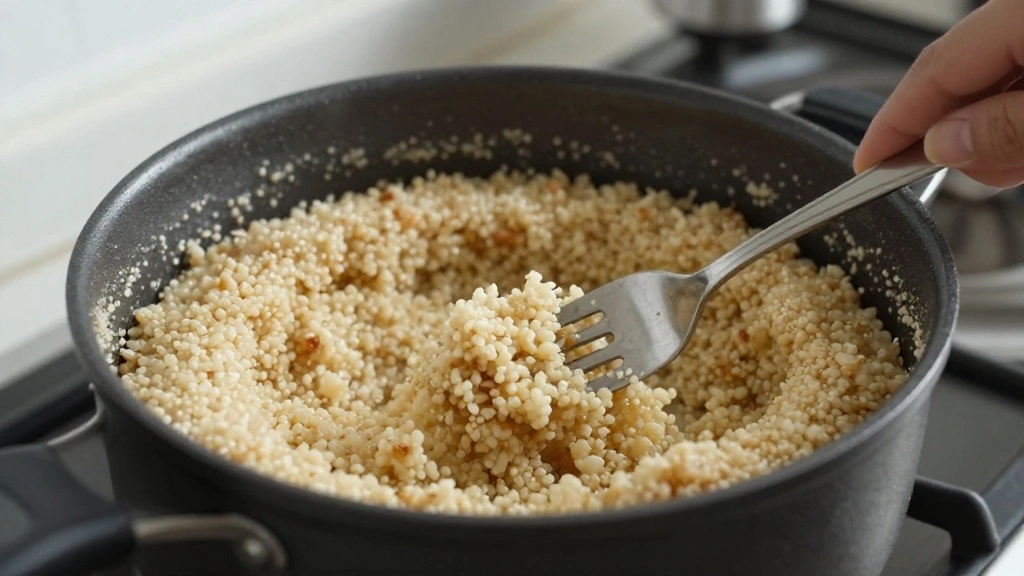
Rinse quinoa under cold water to remove bitterness.
Cook quinoa according to package instructions until tender.
Allow quinoa to cool completely before using.
Fluff with a fork to separate grains.
Step 3: Prepare Dressing
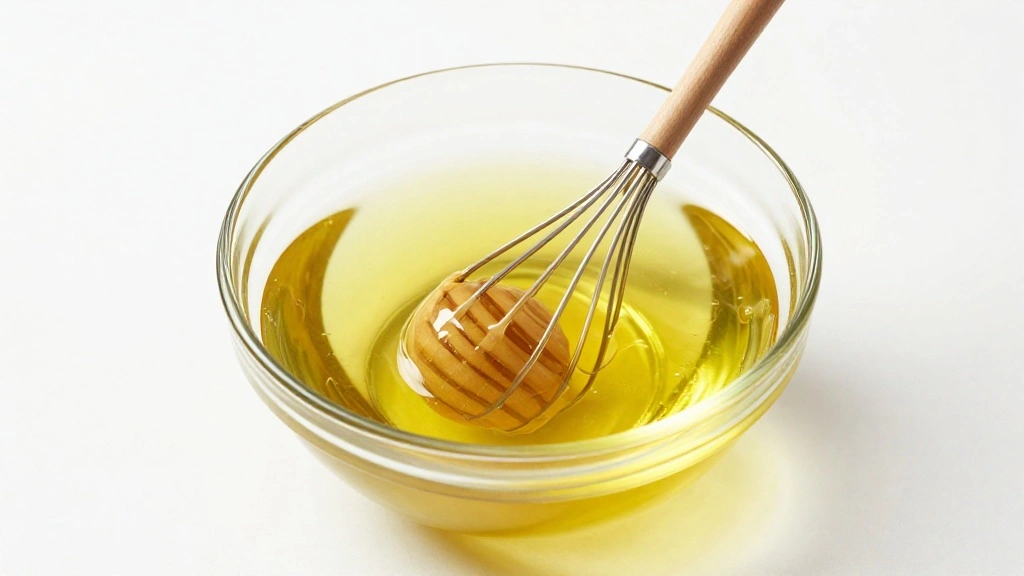
Combine olive oil, lemon juice, honey, salt, and pepper in a small bowl.
Whisk vigorously until ingredients are well combined.
Taste and adjust seasoning if necessary.
Transfer to a small jar with a tight-fitting lid.
Step 4: Layer Dressing
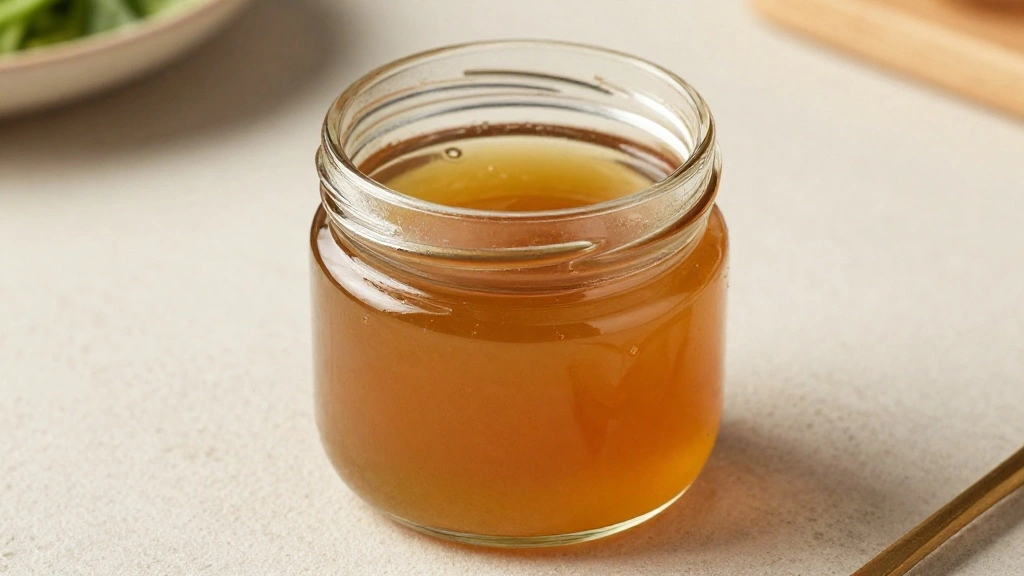
Start by pouring a portion of the dressing into the bottom of each mason jar.
Use approximately 2 tablespoons per jar.
Ensure the dressing is evenly distributed at the base.
This will prevent other ingredients from becoming soggy.
Step 5: Add Heavier Ingredients
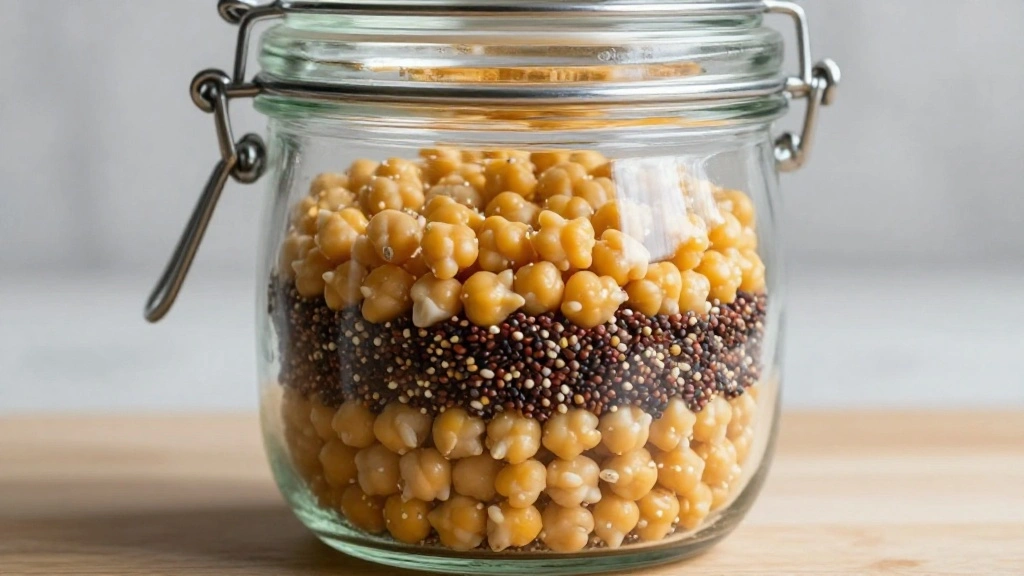
Layer chickpeas on top of the dressing in each jar.
Add cooked quinoa as the next layer.
Ensure the layers are even and compact.
Avoid mixing layers at this stage.
Step 6: Add Vegetables
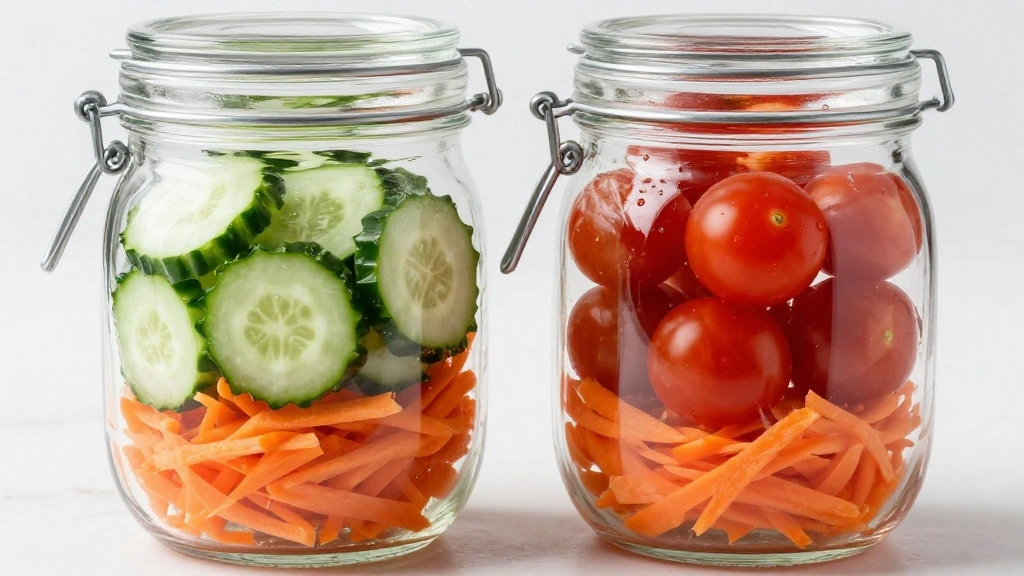
Layer cucumbers, cherry tomatoes, and shredded carrots on top of quinoa.
Maintain the separation of each vegetable layer for visual appeal.
Fill jars to just below the rim.
Press gently to compact layers without crushing ingredients.
Step 7: Seal and Store
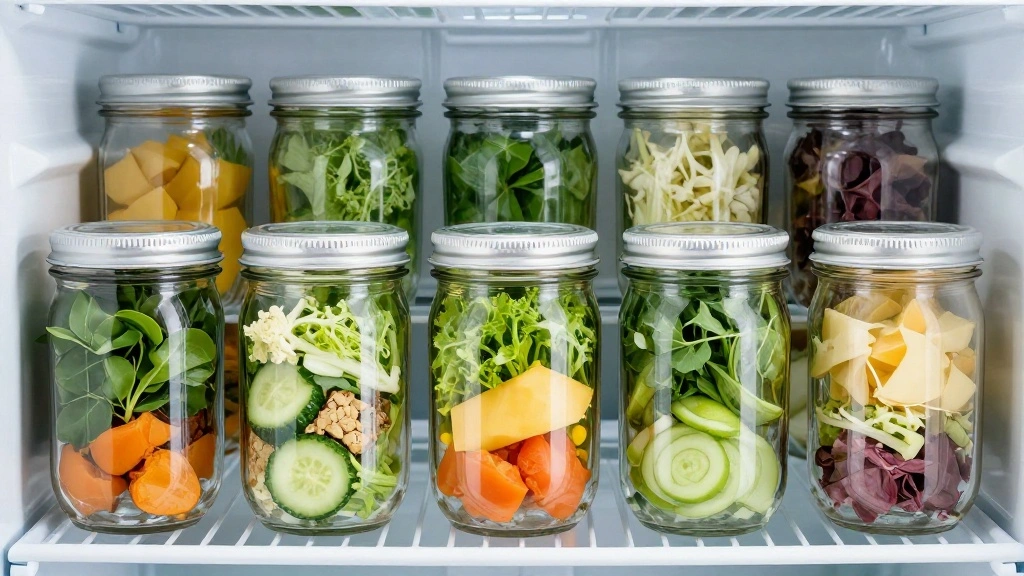
Securely fasten lids on each mason jar.
Ensure lids are airtight to preserve freshness.
Store mason jars in the refrigerator.
Consume within 3-4 days for optimal taste and texture.
Step 8: Serve the Salad
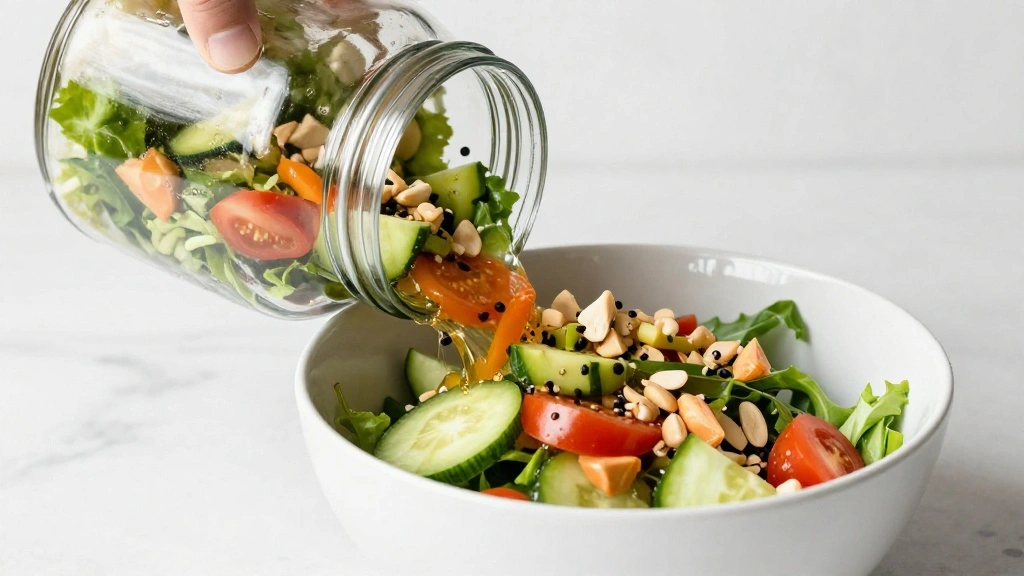
When ready to eat, shake the jar to distribute dressing.
Open the lid and pour contents into a bowl.
Toss gently to combine layers.
Enjoy your fresh and flavorful mason jar salad.
Critical Timing and Temperature Guide
Layering Process: Take your time to carefully layer each ingredient. Avoid rushing to maintain distinct layers, which prevents sogginess.
Quinoa Cooking: Cook quinoa on a low simmer for 15 minutes. Visual indicators of doneness include translucent grains. Avoid overcooking to prevent mushiness.
Refrigeration: Store at a consistent temperature of 40°F (4°C). Ensure jars are sealed to maintain freshness and avoid bacterial growth.
Pro Tips for Mason Jar Salad
• Ingredient Selection: Choose fresh, crisp vegetables and high-quality olive oil for the dressing. These make the biggest difference in flavor and texture.
• Preparation Secret: Layering the dressing at the bottom is crucial to prevent soggy ingredients.
• Temperature Management: Ensure all ingredients are at room temperature before assembly to prevent condensation inside the jar.
• Texture Enhancement: Use crunchy vegetables like cucumbers and carrots to add a satisfying bite.
• Flavor Layering: Combine sweet, tangy, and savory elements in the dressing for a complex taste.
• Make-Ahead Strategies: Prepare all components in advance, but assemble salads close to consumption time.
• Restaurant-Quality Finishing Touches: Add a sprinkle of fresh herbs before sealing jars for an aromatic touch.
• Equipment Optimization: Use wide-mouth jars for easier layering and access.
Troubleshooting Common Issues
• Soggy Salad: Caused by incorrect layering technique, such as placing dressing directly on greens. Use the correct order to prevent this.
• Bland Flavor: Results from under-seasoning. Taste the dressing before layering and adjust as needed.
• Uneven Layering: Occurs when ingredients are not chopped uniformly. Focus on consistent chopping for even distribution.
• Jar Leakage: Often due to improperly sealed lids. Ensure lids are tightly fastened and jars are upright.
• Wilting Greens: Caused by storing jars too long. Consume within recommended timeframe for best results.
Variations and Regional Differences
• Mediterranean Variation: Incorporates feta cheese, olives, and roasted red peppers for a Mediterranean flair, focusing on bold, salty flavors.
• Asian Style: Features edamame, shredded cabbage, and a sesame ginger dressing, offering a crunchy texture and savory taste.
• Southwestern Twist: Includes black beans, corn, and avocado with a spicy chipotle lime dressing, adding a kick of heat.
• Fruit-Infused: Combines mixed berries, walnuts, and a balsamic vinaigrette for a sweet, tangy salad experience.


Food Science Behind the Recipe
• Emulsification: The process of combining oil and lemon juice in the dressing. Understanding emulsification helps create a stable, homogeneous mixture.
• Layering and Preservation: The science of layering prevents moisture from affecting sensitive ingredients, maintaining the salad's integrity over time.
• Chilling Effect: Refrigeration slows bacterial growth and oxidation, preserving the salad's freshness and nutritional value.
Frequently Asked Questions
What's the most common mistake people make when preparing Mason Jar Salad? The most common mistake is incorrect layering order, leading to soggy ingredients.
How long can Mason Jar Salads be stored? They can be stored for up to 4 days in the refrigerator if sealed properly.
Can I use different dressings? Yes, you can customize the dressing to suit your taste preferences.
What are some protein alternatives? Grilled chicken, tofu, or hard-boiled eggs can be used as protein alternatives.
How do I prevent the salad from becoming bland? Ensure the dressing is well seasoned and adjust the amount according to taste.
Can I use cooked grains other than quinoa? Yes, brown rice or farro are excellent alternatives.
Is it necessary to use mason jars? While mason jars are ideal, any airtight container can be used for layering.
Serving and Presentation Guide
• Traditional Presentation: Serve directly from the mason jar for a rustic, casual look.
• Plated Presentation: Pour salad into a wide bowl and gently toss before serving for a more refined appearance.
• Layered Display: Arrange ingredients in a clear glass dish for a visual feast of colors and textures.
• Individual Portions: Use smaller jars for single servings, ideal for picnics or on-the-go meals.
Conclusion
With its blend of convenience and flavor, the mason jar salad is a versatile addition to any meal prep plan.
Not only does it offer a nutritious boost, but it also provides a canvas for creativity and personal taste.
Try this recipe today and discover how easy and satisfying healthy eating can be.