
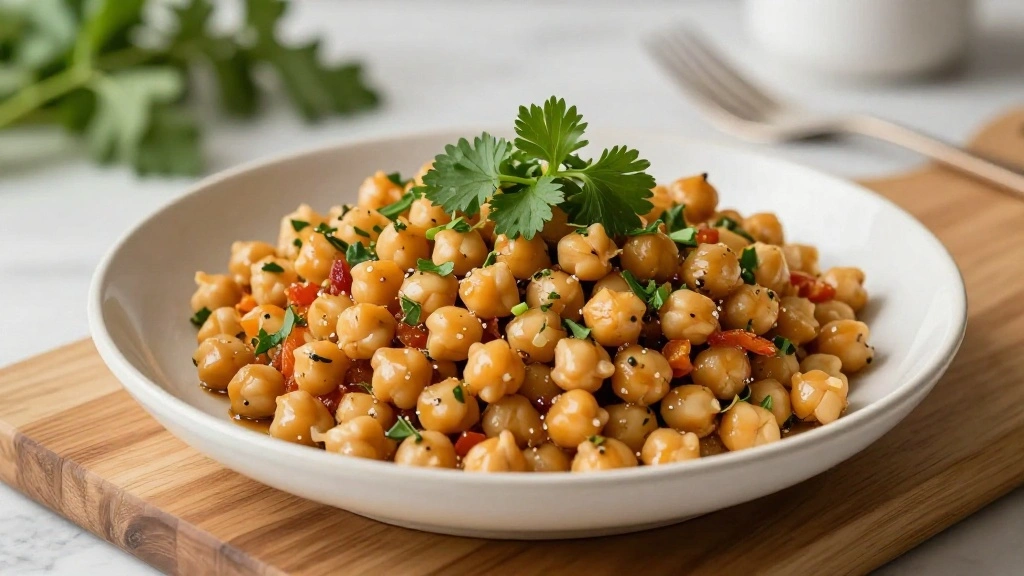


The Mediterranean Chickpea Bowl is a vibrant fusion of flavors and textures that embodies the essence of Mediterranean cuisine.
With its rich combination of fresh vegetables, protein-packed chickpeas, and aromatic spices, this dish is both hearty and refreshing.
I first encountered this delightful bowl during a summer trip to Greece, where the locals cherish its simplicity and nutritional value.
It’s perfect for those seeking a light yet satisfying meal that can be enjoyed year-round.
Whether you’re a seasoned chef or a kitchen novice, this recipe offers a straightforward approach to creating a delicious, wholesome meal.
Prepare to be transported to the sun-drenched coasts of the Mediterranean with every bite.
The History and Cultural Significance
• Mediterranean Chickpea Bowl traces its origins to the ancient Mediterranean region, where it was originally created by farmers and villagers who relied on hearty, plant-based meals.
• The dish evolved over decades as ingredients like olives and spices were incorporated, eventually becoming the beloved version we know today.
• In Mediterranean culture, this dish traditionally appears at communal gatherings, symbolizing unity and shared prosperity.
• While many variations exist across different regions, the authentic version maintains the use of fresh, local ingredients that sets it apart from imitations.



Recipe Overview
Nutritional Information (per serving)
Essential Equipment Guide
Large Skillet: A large skillet is essential for evenly cooking the chickpeas and vegetables, ensuring a uniform distribution of heat. Alternatives might include a wide saucepan or a wok, but ensure it has a non-stick surface for best results.
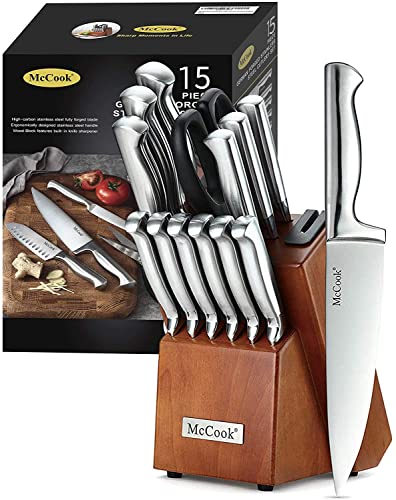
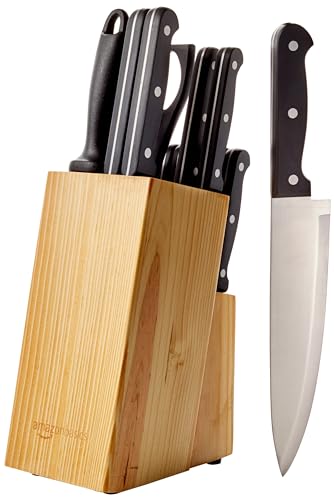
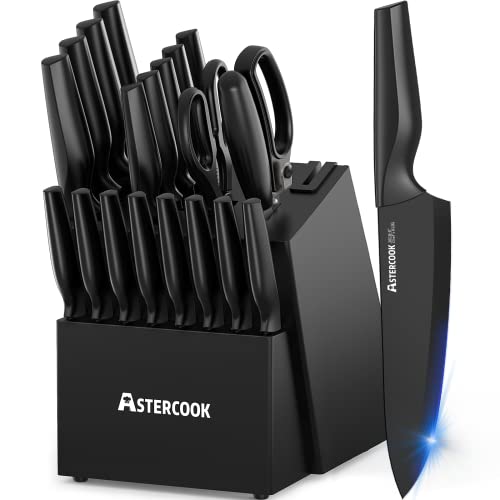
Chef’s Knife: A sharp chef’s knife is crucial for finely chopping vegetables to the right size, enhancing texture and flavor. If unavailable, a good-quality paring knife can be used with caution.
Mixing Bowl: A large mixing bowl is important for combining ingredients without spilling. Opt for a bowl with a non-slip base to keep it steady while mixing.
Ingredients
For the Base
|
|
| Amount | Ingredient | Notes |
|---|---|---|
| 2 cups | cooked chickpeas | drained and rinsed |
| 1 cup | quinoa | cooked, adds protein and texture |
Vegetables
| Amount | Ingredient | Notes |
|---|---|---|
| 1 medium | cucumber | diced for freshness |
| 1 cup | cherry tomatoes | halved for sweetness |
Seasonings
| Amount | Ingredient | Notes |
|---|---|---|
| 3 tablespoons | olive oil | adds richness |
| 1 teaspoon | salt | enhances flavor |
| 1 teaspoon | ground cumin | adds warmth |
| 1 tablespoon | lemon juice | for acidity |
Preparation Methods
Toasting Spices: Toasting spices like cumin enhances their natural oils and flavors. Use a dry skillet over medium heat, stirring constantly until fragrant. This step is crucial for depth of flavor.
Cooking Quinoa: Rinsing quinoa thoroughly removes its natural bitterness. Cooking it with a 2:1 water-to-quinoa ratio ensures it remains fluffy and not soggy.
Chopping Techniques: For uniformity, use a rocking motion with the knife when chopping vegetables. This technique ensures even cooking and consistent texture.




Step 1: Prepare Ingredients
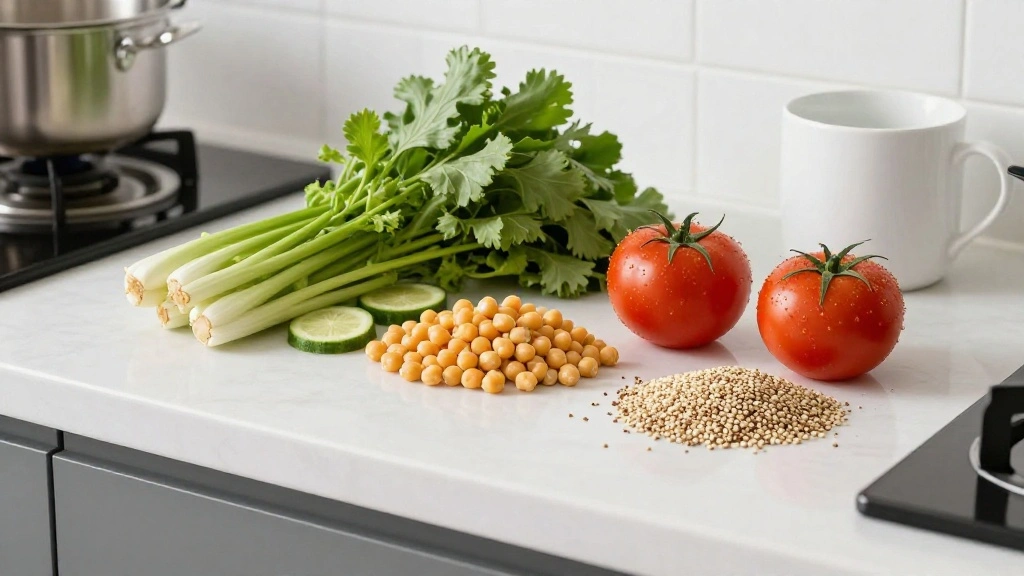
Gather all ingredients and ensure they are fresh.
Rinse the chickpeas thoroughly under cold water.
Cook quinoa according to package instructions until fluffy.
Chop vegetables into uniform pieces for even cooking.
Step 2: Toast Spices
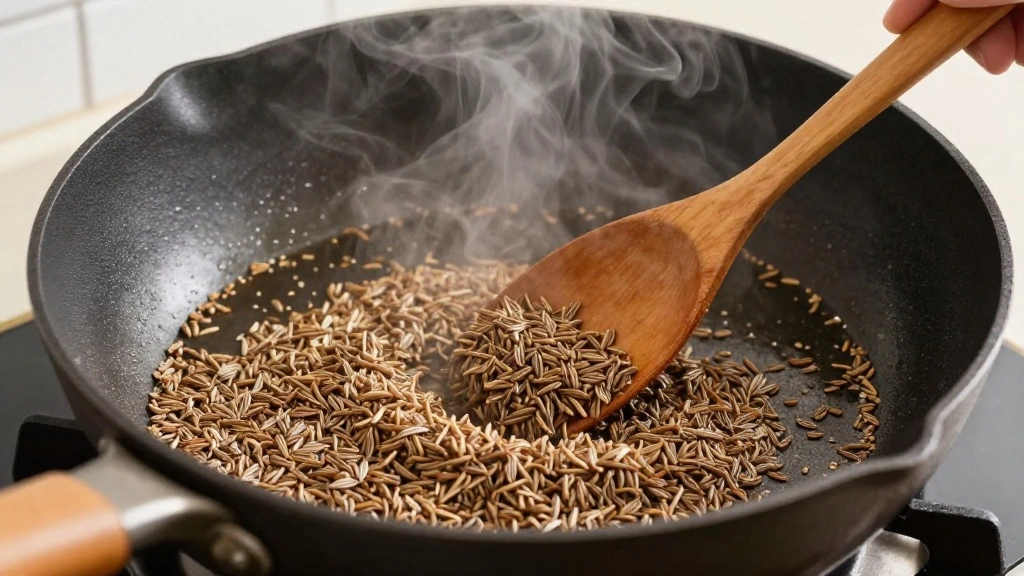
Place a dry skillet over medium heat.
Add ground cumin and toast for 1-2 minutes.
Stir constantly to avoid burning and release the aroma.
Remove from heat once fragrant and set aside.
Step 3: Cook Chickpeas
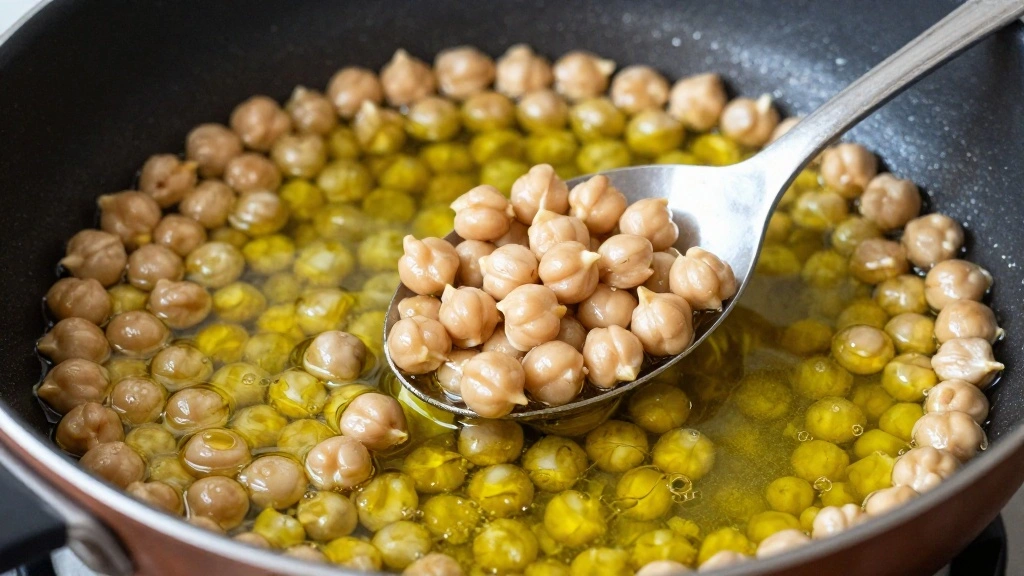
In a large skillet, heat olive oil over medium heat.
Add the chickpeas and sauté for 5 minutes.
Ensure they are evenly coated with oil and start to become golden.
Stir frequently to prevent sticking.
Step 4: Add Quinoa
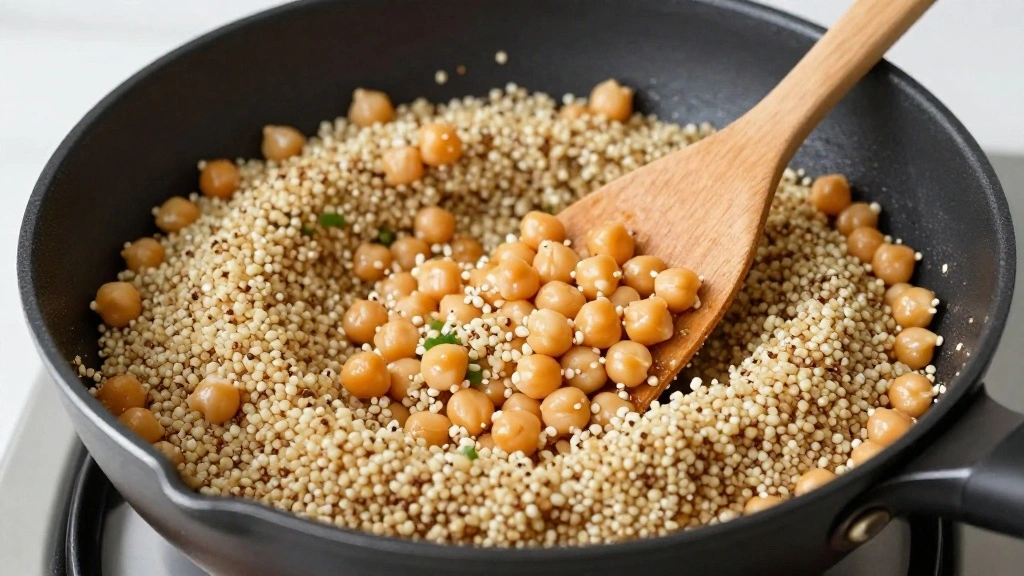
Add cooked quinoa to the chickpeas in the skillet.
Mix well to combine the ingredients.
Season with salt and toasted cumin.
Cook for an additional 2-3 minutes, stirring occasionally.
Step 5: Prepare Vegetables
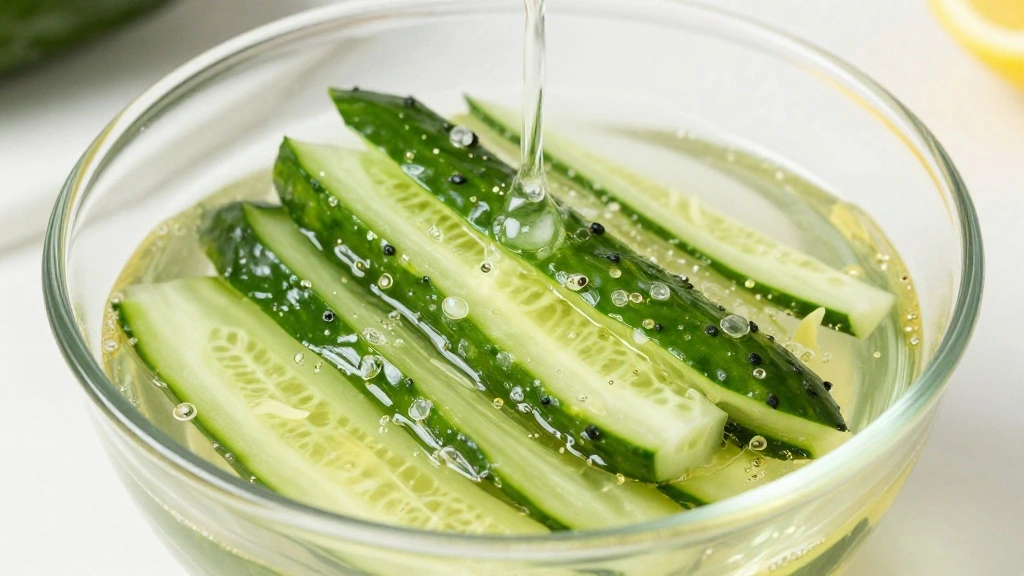
Dice the cucumber and halve the cherry tomatoes.
Place them in a large mixing bowl.
Add a tablespoon of lemon juice for freshness.
Toss gently to combine.
Step 6: Combine All Ingredients
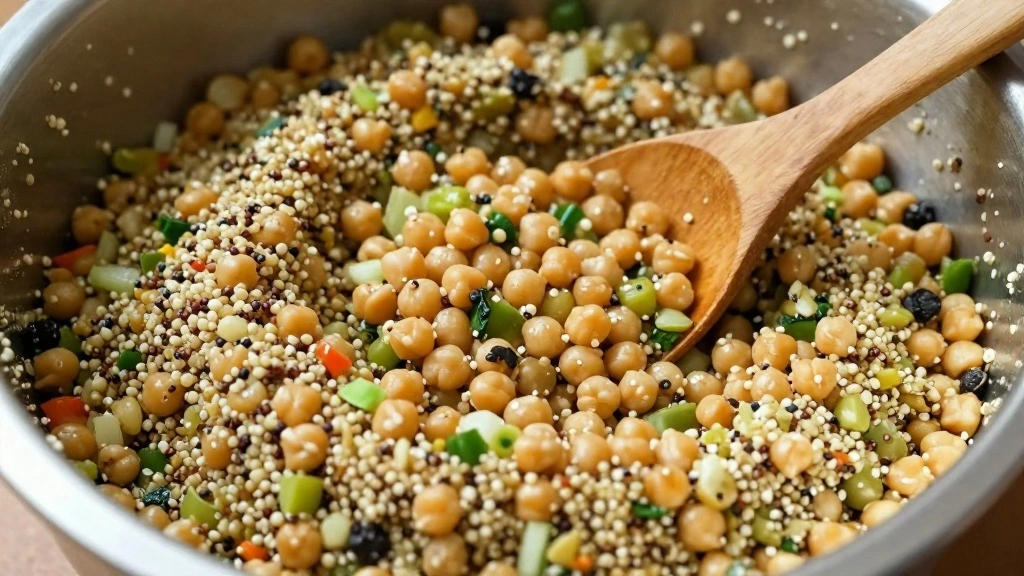
Transfer the warm chickpea and quinoa mixture to the mixing bowl with vegetables.
Mix all components together evenly.
Ensure the vegetables are well-distributed throughout.
Check seasoning and adjust salt if necessary.
Step 7: Serve the Bowl
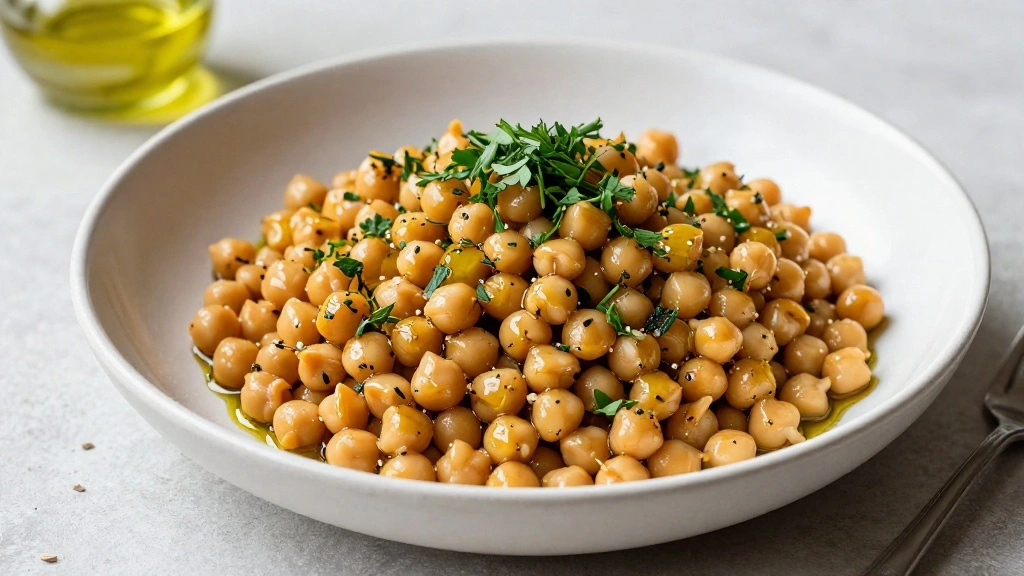
Divide the mixture evenly among serving bowls.
Drizzle with additional olive oil if desired.
Garnish with fresh herbs like parsley or mint.
Serve immediately for best flavor.
Step 8: Enjoy Your Meal
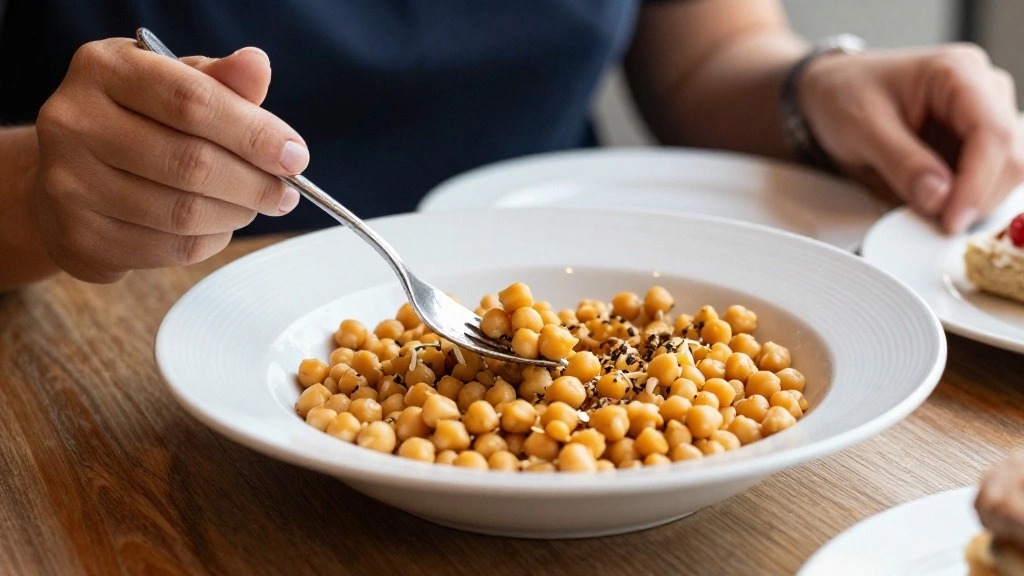
Sit down and enjoy the vibrant flavors of your Mediterranean Chickpea Bowl.
Notice the harmony of textures from the tender chickpeas and crunchy vegetables.
Savor the refreshing taste brought by the lemon and herbs.
Feel free to tweak the recipe to suit your personal taste.
Critical Timing and Temperature Guide
Toasting Spices: Toast spices for 1-2 minutes over medium heat until fragrant. Avoid high heat to prevent burning, which would result in bitterness.
Cooking Chickpeas: Sauté chickpeas for 5 minutes over medium heat until they start to turn golden. Do not overcook as they can become too dry.
Combining Ingredients: Mix all components while chickpeas and quinoa are still warm for optimal flavor melding. Ensure even distribution of ingredients to avoid unbalanced bites.
Pro Tips for Mediterranean Chickpea Bowl
• Ingredient Selection: Choose high-quality, canned organic chickpeas, and ensure fresh, firm vegetables for the best taste and texture.
• Preparation Secret: Rinse chickpeas under cold water to remove excess starch and improve texture.
• Temperature Management: Allow quinoa to cool slightly before mixing to prevent wilting the fresh vegetables.
• Texture Enhancement: Lightly crush some chickpeas for a textural contrast that enhances the dish.
• Flavor Layering: Use both ground cumin and fresh lemon juice to layer flavors effectively.
• Make-Ahead Strategies: Prepare chickpeas and quinoa a day ahead and store separately; combine with fresh vegetables just before serving.
• Restaurant-Quality Finishing Touches: Garnish with a sprinkle of feta cheese or toasted pine nuts for an extra touch of elegance.
• Equipment Optimization: Use a high-sided skillet to prevent ingredients from spilling over during mixing.
Troubleshooting Common Issues
• Texture Too Dense: Overcooked quinoa or chickpeas can result in a dense texture. Ensure proper cooking times and rinse chickpeas thoroughly.
• Flavors Unbalanced: If the dish tastes too bland, increase the amount of lemon juice and herbs to brighten flavors.
• Vegetables Too Soft: Add vegetables just before serving to retain their crunch and freshness.
• Chickpeas Not Crispy: Sauté chickpeas in a single layer in the skillet without overcrowding to achieve crispiness.
• Dish Too Oily: Drizzle olive oil sparingly, and adjust to taste after mixing all ingredients.
• Quinoa Clumping: Fluff quinoa with a fork after cooking and avoid over-mixing to keep it from clumping together.
Variations and Regional Differences
• Greek Variation: Incorporates olives and feta cheese, adding a briny, creamy element typical of Greek salads.
• Middle Eastern Style: Adds tahini and sumac, providing a nutty, tangy twist with a broader flavor profile.
• North African Twist: Infuses harissa for a spicy kick, appealing to those who enjoy bold, fiery flavors.
• Italian Influence: Includes basil and mozzarella, offering a fresh, aromatic touch reminiscent of a Caprese salad.
Food Science Behind the Recipe
• Emulsification: The olive oil and lemon juice create an emulsion that coats the ingredients, enhancing flavor distribution.
• Maillard Reaction: Sautéing chickpeas induces the Maillard reaction, creating a rich, savory flavor and golden-brown color.
• Protein and Fiber Synergy: Chickpeas and quinoa provide a complete protein source, while fiber from vegetables aids in digestion and satiety.
Frequently Asked Questions
What's the most common mistake people make when preparing Mediterranean Chickpea Bowl? Overcooking the chickpeas can lead to a mushy texture, so ensure they are sautéed briefly until just golden.
Can I use canned chickpeas instead of dried ones? Yes, canned chickpeas are convenient and work well, but be sure to rinse them thoroughly to remove excess salt and starch.
How can I make this dish spicy? Add a pinch of red pepper flakes or a dash of hot sauce to the chickpea and quinoa mixture for extra heat.
Is it possible to make this dish vegan? Absolutely, the recipe is already vegan-friendly, but ensure any added toppings like cheese are plant-based.
How should leftovers be stored? Store leftovers in an airtight container in the refrigerator for up to 3 days.
What type of olive oil is best for this recipe? Extra virgin olive oil is recommended for its robust flavor and health benefits.
Can I substitute quinoa with another grain? Yes, couscous or bulgur are great alternatives and will provide a similar texture.
Serving and Presentation Guide
• Traditional Presentation: Serve in a shallow bowl with a garnish of fresh herbs and a lemon wedge on the side for a classic Mediterranean touch.
• Individual Portions: Present in small bowls or ramekins for an elegant appetizer or party dish.
• Family Style: Arrange on a large platter, allowing guests to help themselves and customize portions.
• Layered Presentation: Layer ingredients in a clear glass bowl to showcase the vibrant colors and textures.


Conclusion
Embrace the flavors of the Mediterranean with this simple yet satisfying chickpea bowl.
Its versatility and nutritional benefits make it a staple in any healthy eating plan.
Whether enjoyed as a main course or a side dish, it's sure to become a favorite in your meal rotation.
Don't hesitate to experiment with variations and make it your own.