
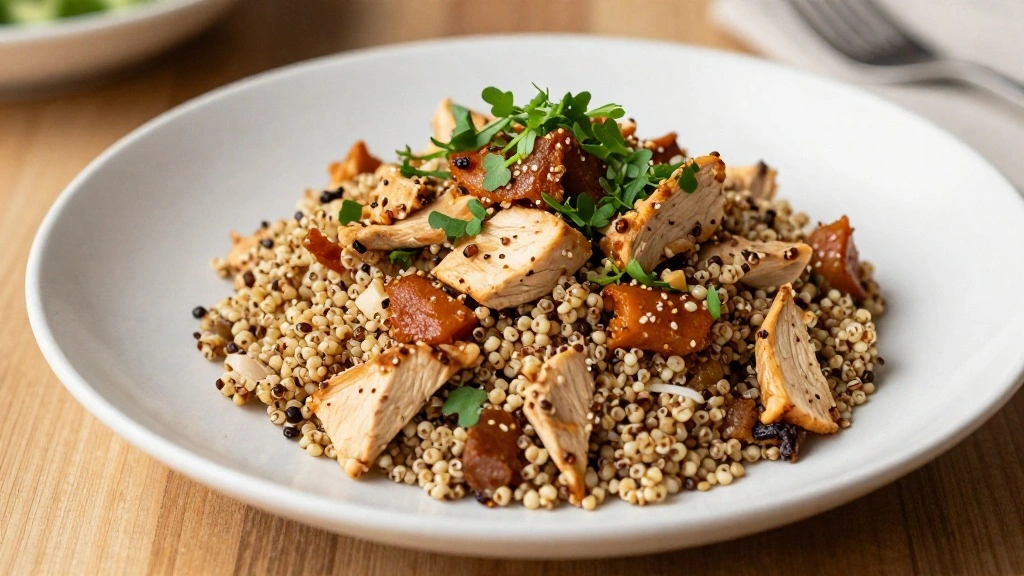


This Quinoa Chicken Bowl combines vibrant, fresh ingredients with wholesome grains to create a satisfying meal that’s both nutritious and delicious.
The marriage of tender chicken, fluffy quinoa, and crisp vegetables results in a symphony of textures and flavors that delight the palate.
Whether you’re looking for a healthy weekday meal or something impressive to share with friends, this bowl delivers on all fronts.
I first encountered this dish during a summer health retreat, where its balanced profile was celebrated for its nourishing qualities.
With its straightforward preparation and adaptable nature, it’s a perfect addition to any cook’s repertoire.
With a touch of lime and a sprinkle of herbs, each bite is an invitation to savor the simple but profound pleasures of good food.
The History and Cultural Significance
• Quinoa Chicken Bowl traces its origins to the Andean region of South America, where it was originally created by local communities utilizing native quinoa.
• The dish evolved over decades as quinoa gained popularity worldwide, and modern ingredients like chicken and avocados were incorporated, eventually becoming the beloved version we know today.
• In Peruvian culture, this dish traditionally appears at family gatherings, symbolizing unity and abundance.
• While many variations exist across different regions, the authentic version maintains the nutty flavor of quinoa that sets it apart from imitations.



Recipe Overview
Nutritional Information
Essential Equipment Guide
Heavy-Bottomed Saucepan: This specific tool is important for achieving evenly cooked quinoa without burning. An alternative might be a rice cooker, but the saucepan gives you more control over the cooking process. Look for one with a tight-fitting lid to keep the steam in.
Cast Iron Skillet: Perfect for searing the chicken to develop a deep, flavorful crust. Non-stick pans can be used as an alternative, but they might not provide as high a heat retention. Ensure the skillet is well-seasoned to prevent sticking.
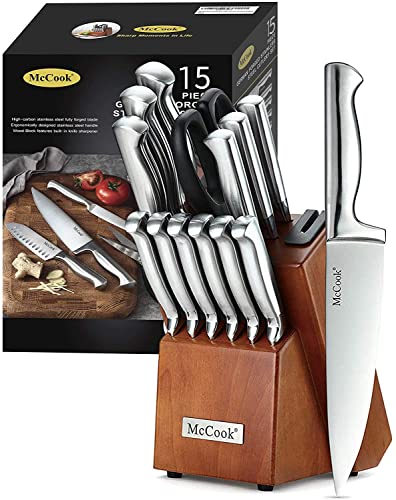
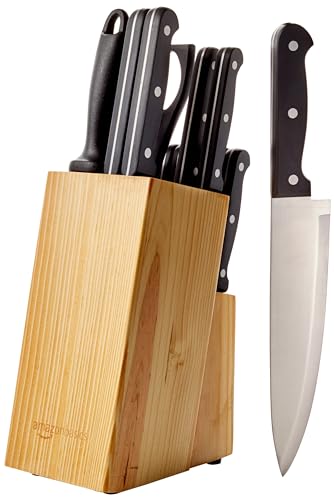
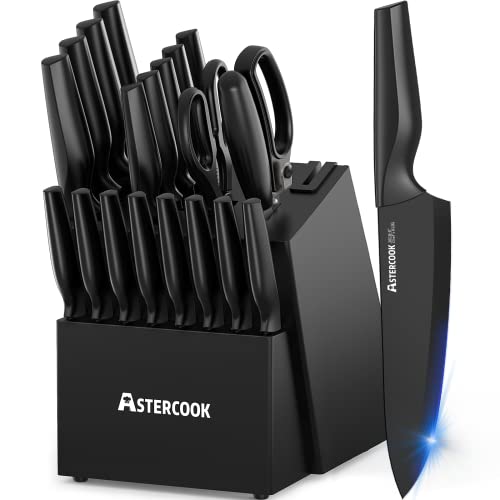
Sharp Chef’s Knife: Essential for efficiently chopping vegetables and chicken. A dull knife could crush the veggies, affecting texture. Look for a knife with a comfortable handle and a balanced weight for ease of use.
Ingredients
For the Base
|
|
| Amount | Ingredient | Notes |
|---|---|---|
| 1 cup | quinoa | rinsed to remove bitterness |
| 2 cups | chicken broth | adds depth of flavor |
Chicken
| Amount | Ingredient | Notes |
|---|---|---|
| 2 large | chicken breasts | boneless, skinless |
| 1 tablespoon | olive oil | enhances browning |
Vegetables
| Amount | Ingredient | Notes |
|---|---|---|
| 1 cup | cherry tomatoes | halved for juicy bites |
| 1 large | avocado | diced for creaminess |
Seasonings
| Amount | Ingredient | Notes |
|---|---|---|
| 1 teaspoon | salt | enhances flavors |
| 1 teaspoon | black pepper | adds mild heat |
| 1 tablespoon | lime juice | brightens the dish |
| 1 tablespoon | cilantro | chopped, for freshness |
Preparation Methods
Rinsing Quinoa: Rinse quinoa under cold water using a fine mesh strainer to remove saponins, which can impart a bitter taste. This step is crucial for achieving a clean flavor in your dish. Make sure all water has drained before cooking.
Searing Chicken: Heat the skillet until it’s hot enough to create a sizzling sound when the chicken is added. This technique locks in juices and creates a flavorful crust. Rest the chicken after cooking for even distribution of juices.
Chopping Vegetables: Use a sharp knife for quick, clean cuts that maintain the integrity and texture of the vegetables. This matters because precision in size ensures even cooking and a pleasing presentation.




Step 1: Prepare Ingredients
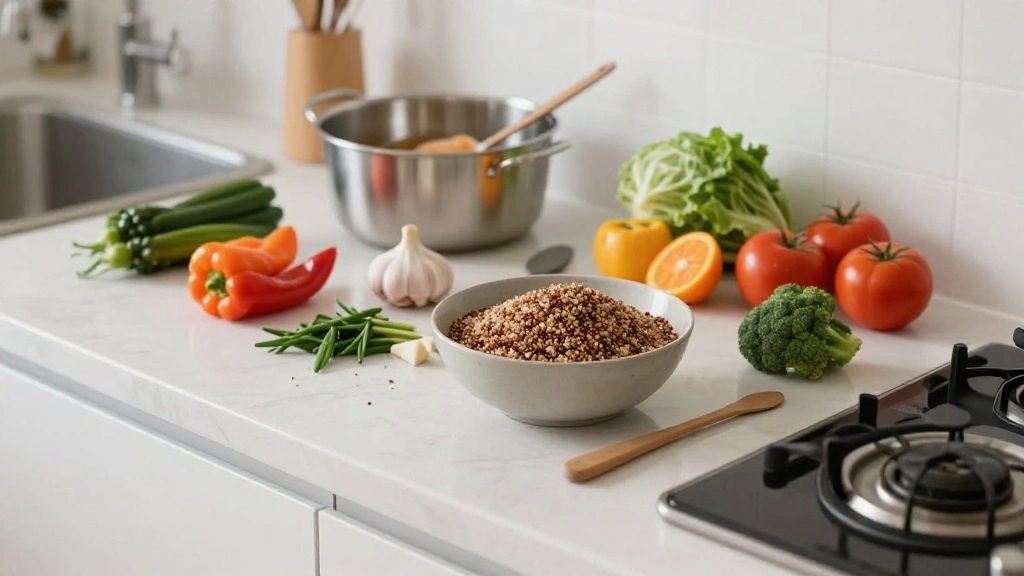
Gather all ingredients and equipment.
Rinse the quinoa under cold water to remove any bitterness.
Pat the chicken breasts dry with paper towels.
Chop the vegetables and set them aside.
Step 2: Cook Quinoa
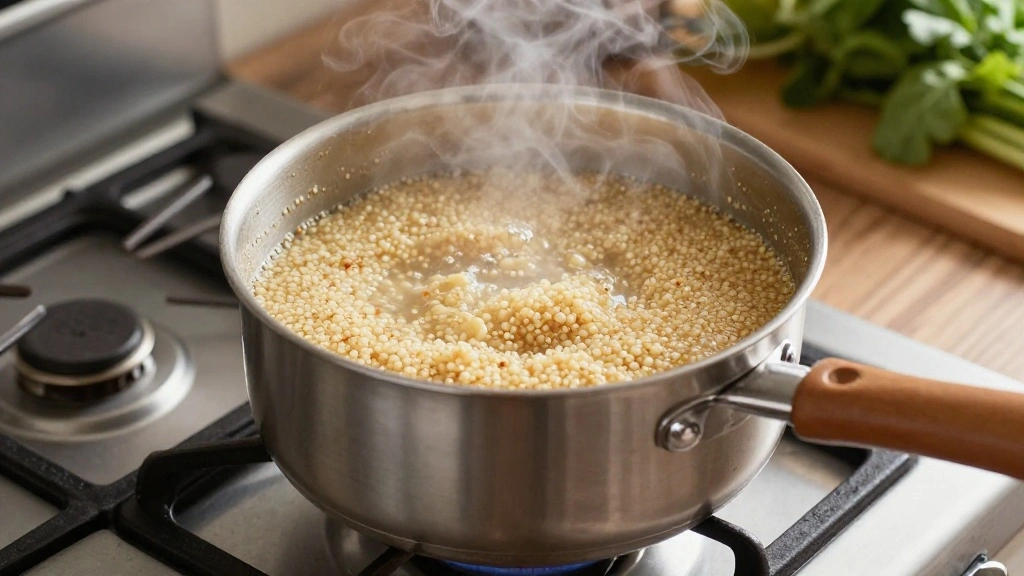
In a heavy-bottomed saucepan, bring chicken broth to a boil.
Add the rinsed quinoa and reduce the heat to low.
Cover and simmer for 15 minutes until the quinoa is tender and the liquid is absorbed.
Fluff with a fork and set aside.
Step 3: Heat Skillet
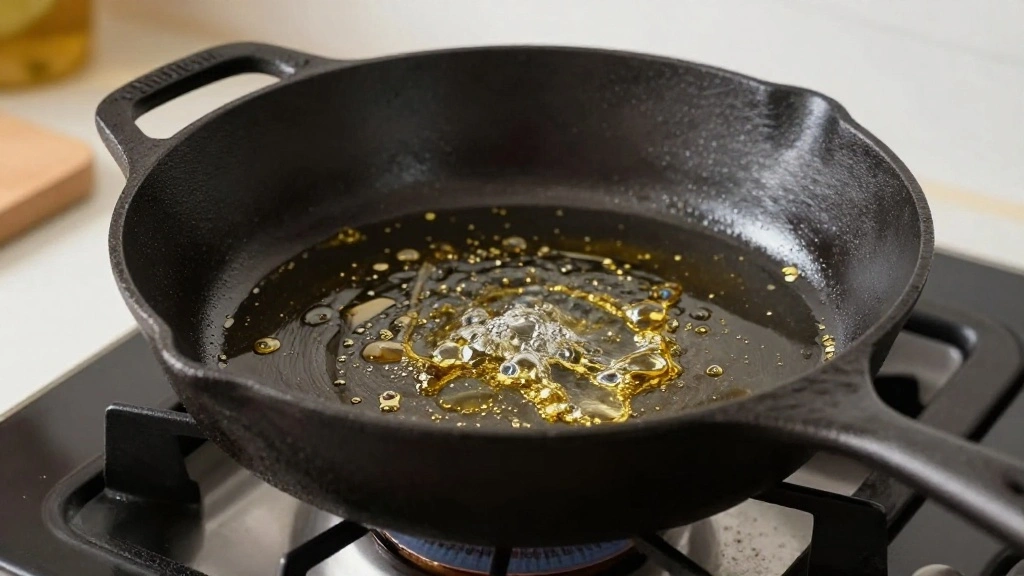
Place a cast iron skillet over medium-high heat.
Allow the skillet to heat until it’s very hot.
Add olive oil and swirl to coat the pan.
The oil should shimmer slightly before adding chicken.
Step 4: Sear Chicken
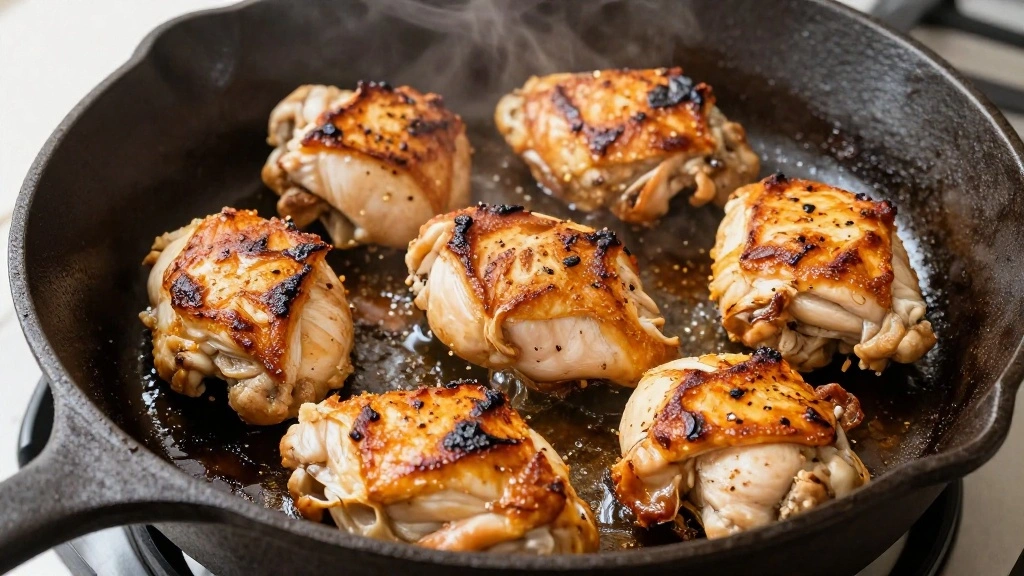
Season the chicken with salt and pepper on both sides.
Place the chicken breasts in the hot skillet.
Cook for 6-7 minutes on each side, until golden brown and cooked through.
Remove from skillet and let rest on a cutting board.
Step 5: Dice Chicken
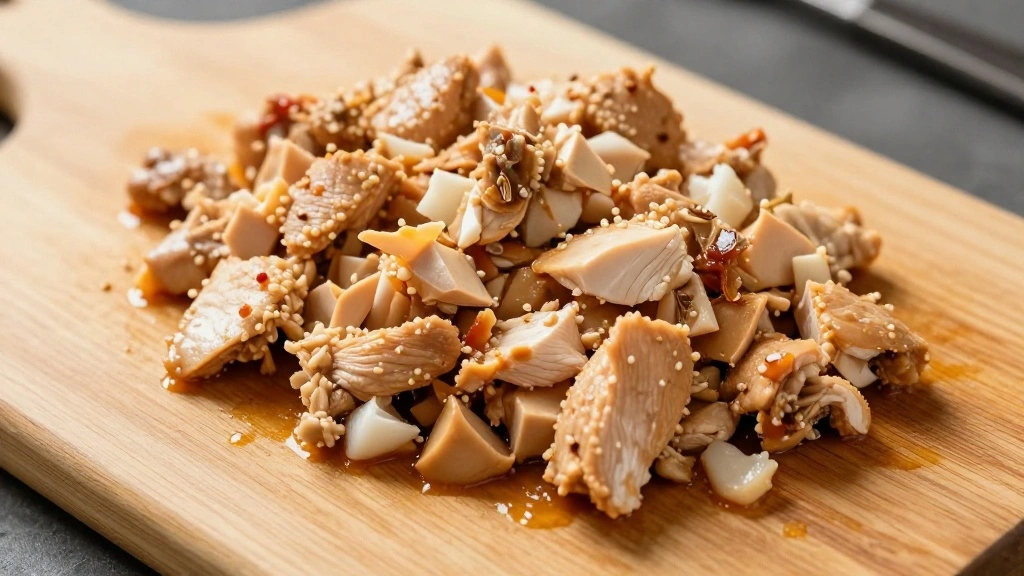
Once rested, dice the chicken into bite-sized pieces.
Ensure the pieces are uniform for even distribution in the bowl.
Retain any juices from the cutting board to add back later.
Set aside until assembly.
Step 6: Assemble Bowl
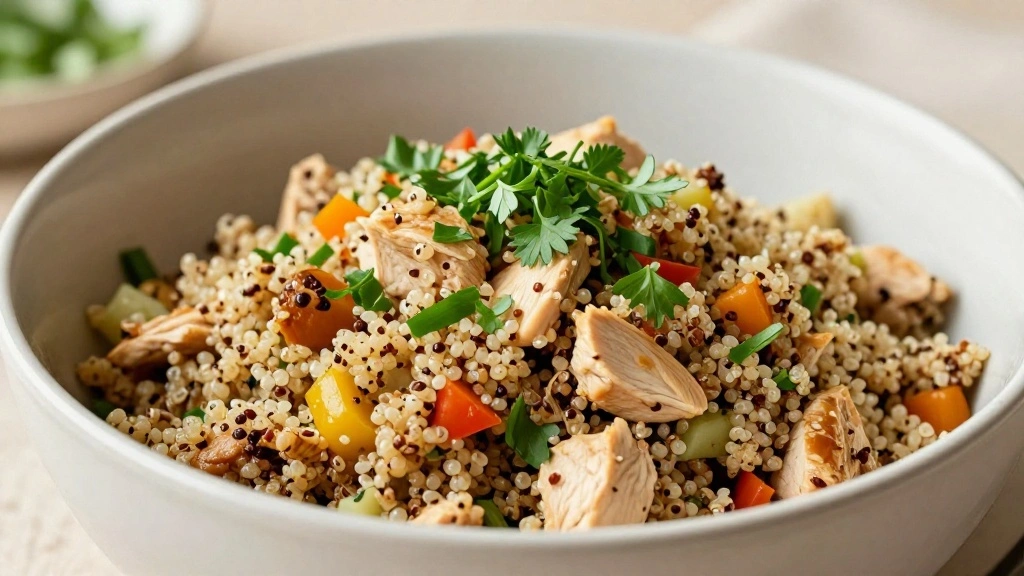
In a large bowl, combine cooked quinoa and diced chicken.
Add the chopped vegetables, including cherry tomatoes and avocado.
Drizzle with lime juice and sprinkle with cilantro.
Toss gently to combine all ingredients.
Step 7: Adjust Seasonings
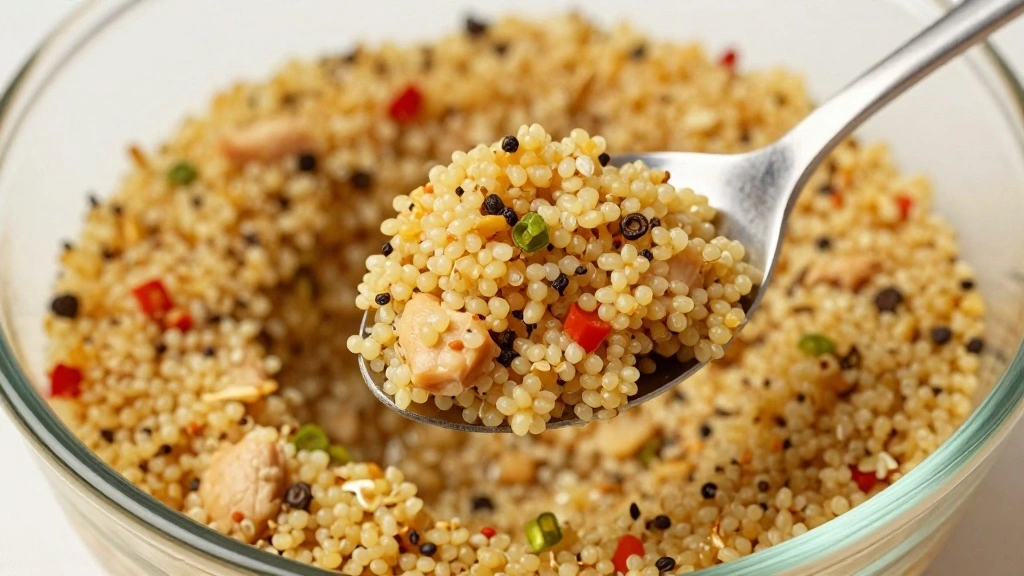
Taste the mixture to check for seasoning balance.
Add more salt, pepper, or lime juice as needed.
Ensure flavors are bright and well-rounded.
This is the final opportunity to adjust before serving.
Step 8: Serve and Garnish
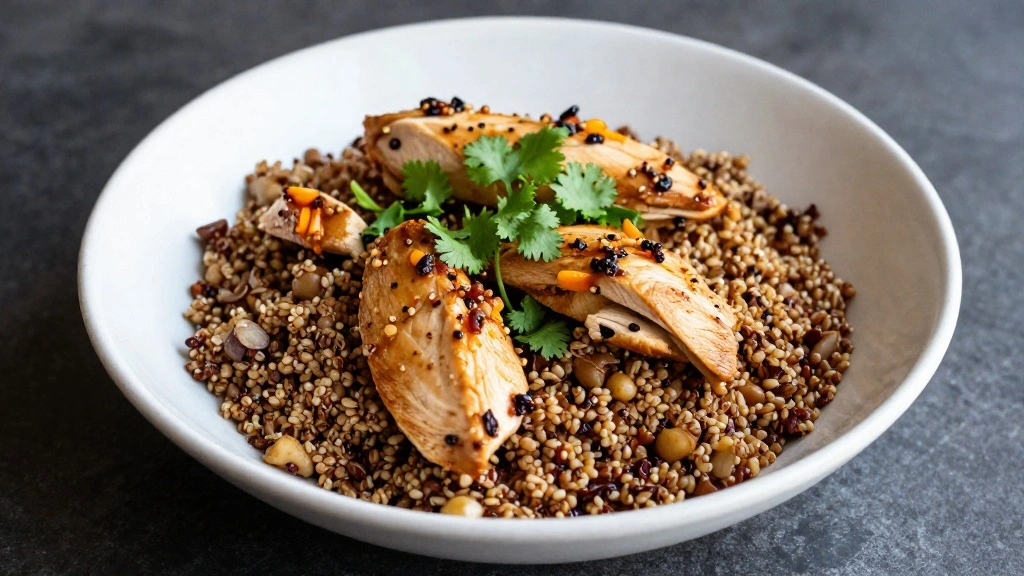
Divide the mixture into individual serving bowls.
Garnish with additional cilantro if desired.
Serve immediately while fresh and vibrant.
Enjoy your nutritious Quinoa Chicken Bowl.
Critical Timing and Temperature Guide
Cooking Quinoa: Simmer for exactly 15 minutes at low heat. Look for all liquid absorption and fluffiness as indicators of doneness. Avoid lifting the lid during cooking to maintain steam.
Searing Chicken: Each side should be cooked for 6-7 minutes over medium-high heat until a deep brown crust forms. Avoid overcrowding the pan as it lowers the temperature and prevents proper searing.
Resting Chicken: Let the chicken rest for at least 5 minutes to allow juices to redistribute. Cutting too early can result in dry chicken.
Pro Tips for Quinoa Chicken Bowl
• Ingredient Selection: Choose organic quinoa and free-range chicken for the best flavor and nutritional benefits.
• Preparation Secret: Toast the quinoa in a dry pan before cooking to enhance its nutty flavor.
• Temperature Management: Make sure the skillet is properly preheated before searing chicken to prevent sticking.
• Texture Enhancement: Use a fork to fluff quinoa to maintain a light, airy texture.
• Flavor Layering: Add lime zest along with the juice to intensify citrus notes.
• Make-Ahead Strategies: Cook the quinoa and chicken ahead of time and store separately in the fridge for up to 2 days.
• Restaurant-Quality Finishing Touches: Drizzle a homemade yogurt sauce or sprinkle feta cheese for an elevated taste.
• Equipment Optimization: Regularly sharpen your chef's knife to ensure precise and safe cuts.
Troubleshooting Common Issues
• Quinoa Too Mushy: Overcooking or using too much liquid causes mushiness. Ensure proper ratios and timing.
• Chicken Too Dry: Caused by overcooking or insufficient resting time. Use a meat thermometer to reach 165°F and rest before cutting.
• Flavors Unbalanced: Can occur if lime juice is over or underused. Adjust lime and salt gradually to achieve balance.
• Vegetables Soggy: Avoid overmixing and add vegetables right before serving to maintain crispness.
• Underseasoned: Taste and adjust seasonings at multiple stages, particularly before serving.
Variations and Regional Differences
• Peruvian Variation: Includes aji amarillo paste for a spicy kick and adds black beans for additional protein.
• Mediterranean Style: Replaces cilantro with oregano and includes olives and feta for a distinct Mediterranean flavor.
• Asian Inspired: Uses soy sauce and sesame oil in place of lime juice, with the addition of edamame and green onions.
• Southwestern Twist: Incorporates corn and black beans, with a dash of chili powder for a Southwestern flair.
Food Science Behind the Recipe
• Protein Maillard Reaction: Searing the chicken creates a Maillard reaction, enhancing flavor through browning.
• Gelatinization of Quinoa: As quinoa cooks, heat causes its starches to gelatinize, leading to a fluffy texture.
• Acidic Balancing: Lime juice acts as an acid to brighten flavors and balance the richness from the chicken and avocado.
Frequently Asked Questions
What's the most common mistake people make when preparing Quinoa Chicken Bowl? Overcooking the quinoa, leading to a mushy texture. Following the correct ratio of liquid to quinoa is crucial.
Can I use pre-cooked quinoa? Yes, pre-cooked quinoa can save time. Just ensure it’s not overly dry or clumped together before using.
How do I store leftovers? Store in an airtight container in the refrigerator for up to 3 days. Reheat gently to maintain texture.
Can I freeze this dish? It's not recommended to freeze due to the potential for texture changes in the quinoa and vegetables.
What if I don't have lime juice? Substitute with lemon juice for a different citrus profile but similar acidity.
How can I make this dish vegetarian? Omit the chicken and increase the amount of vegetables or add chickpeas for protein.
Is there a low-carb version? Reduce the quinoa and increase the proportion of vegetables or use cauliflower rice.
Serving and Presentation Guide
• Traditional Presentation: Serve in a rustic bowl with ingredients layered rather than mixed, showcasing each component.
• Modern Plating: Use a shallow, wide bowl and arrange ingredients in sections for a visually striking look.
• Family Style: Present in a large serving dish with small bowls of garnishes on the side for individual customization.
• Gourmet Touch: Add microgreens or edible flowers for color contrast and an upscale presentation.


Conclusion
This Quinoa Chicken Bowl is a wholesome, delicious meal that is both simple and rewarding to prepare.
By following these detailed steps and tips, you can achieve a dish that balances nutrition with flavor.
With its adaptable nature, it’s sure to become a favorite in your kitchen.
I encourage you to experiment with variations and make this recipe your own.