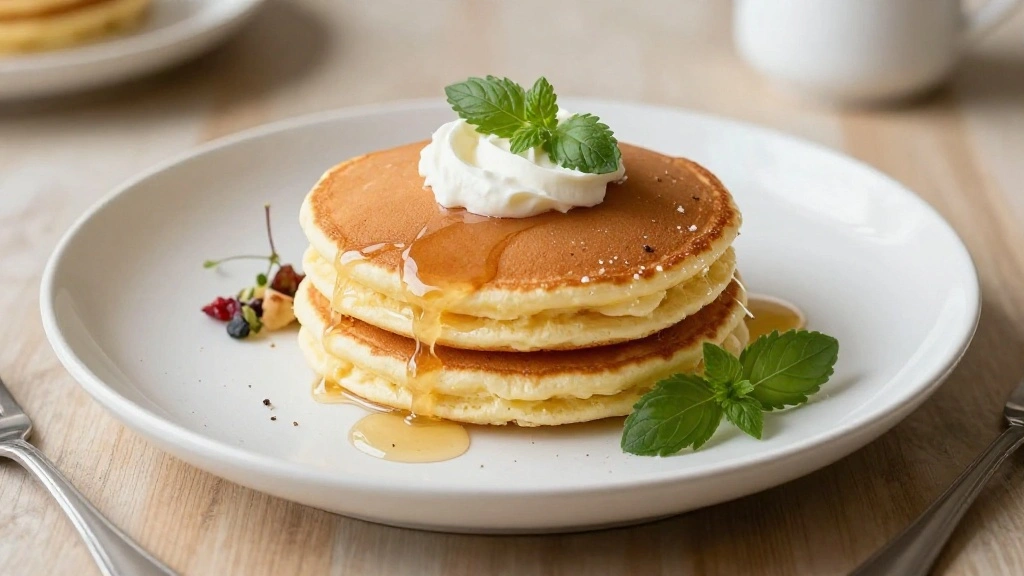

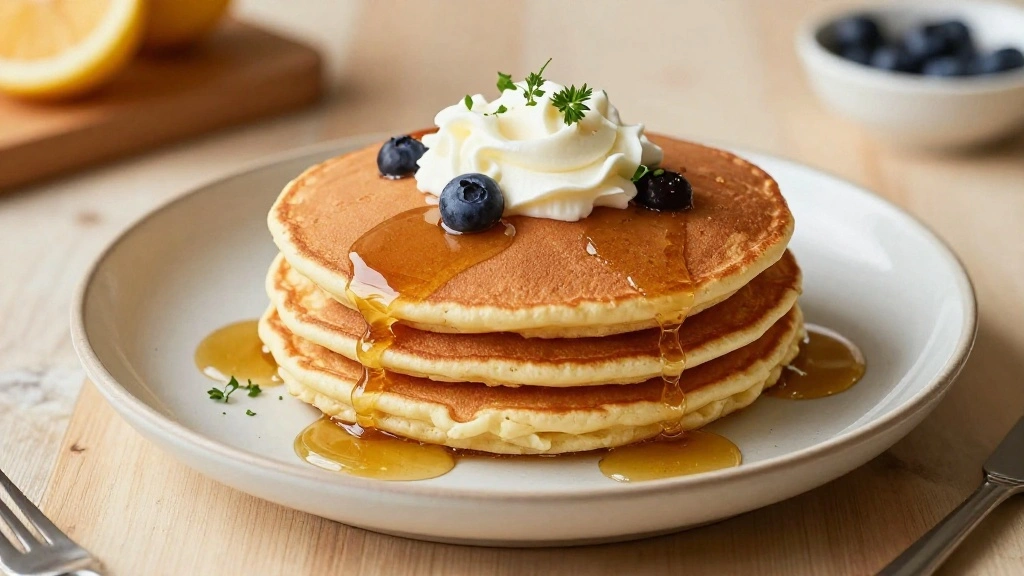


Imagine waking up to the aroma of freshly baked pancakes without the hassle of flipping each one individually.
Sheet pan pancakes offer the perfect solution for serving a crowd, making breakfast gatherings both easy and delightful.
This recipe combines the classic flavors of fluffy pancakes with the convenience of a single baking sheet, perfect for busy mornings or festive brunches.
The golden-brown crust and tender interior ensure that each bite is a comforting reminder of your favorite breakfast indulgence.
Whether you’re hosting a family gathering or preparing a quick meal for a group of friends, sheet pan pancakes are sure to impress with their simplicity and taste.
The History and Cultural Significance
• Sheet Pan Pancakes trace their origins to the American Midwest, where they were originally created by home cooks looking for efficient ways to serve pancakes to large families.
• The dish evolved over decades as kitchen appliances improved and baking techniques became more accessible, eventually becoming the beloved version we know today.
• In American culture, this dish traditionally appears at family brunches and holiday mornings, symbolizing togetherness and comfort.
• While many variations exist across different regions, the authentic version maintains a fluffy texture and a golden crust that sets it apart from imitations.


Recipe Overview
Nutritional Information (per serving)

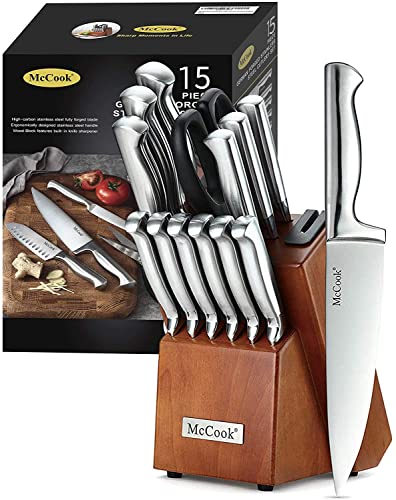


Essential Equipment Guide
Sheet Pan: A heavy-duty, non-stick sheet pan is essential for even cooking and easy cleanup. Alternatives include a glass baking dish, but ensure even heat distribution.
Mixing Bowl: A large mixing bowl allows for proper batter integration, ensuring all ingredients are evenly combined. Stainless steel or glass bowls are preferable for durability.
Spatula: A silicone spatula helps in spreading the batter evenly across the sheet pan. Look for one with a flexible edge for precise control.
Ingredients
For the Base
|
|
| Amount | Ingredient | Notes |
|---|---|---|
| 2 cups | all-purpose flour | sifted for light texture |
| 2 tablespoons | granulated sugar | adds sweetness |
| 1 tablespoon | baking powder | provides rise |
| 1 teaspoon | salt | enhances flavor |
| 2 cups | milk | adds moisture |
| 2 large | eggs | binds ingredients |
| 1/4 cup | unsalted butter | melted, adds richness |
Preparation Methods
Sifting Dry Ingredients: Sifting aerates the flour and baking powder, which helps create a lighter batter. It prevents clumps and ensures even distribution of leavening agents.
Whisking Wet Ingredients: Thoroughly whisking the milk, eggs, and melted butter ensures a homogeneous mixture, which is crucial for even texture and flavor.
Spreading Batter Evenly: Use a spatula to spread the batter into an even layer on the sheet pan. This ensures uniform cooking and prevents uneven browning.




Step 1: Preheat Oven
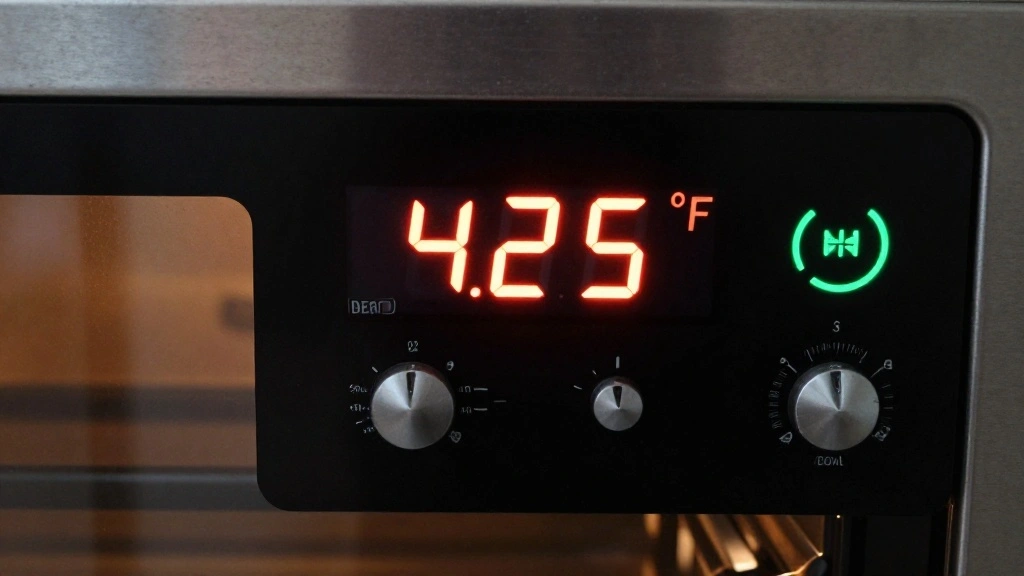
Set your oven to 425°F (220°C).
Allow it to fully preheat, which takes about 10 minutes.
Preheating ensures an even bake and optimal rise.
Avoid placing the batter in a cold oven, which can affect texture.
Step 2: Combine Dry Ingredients
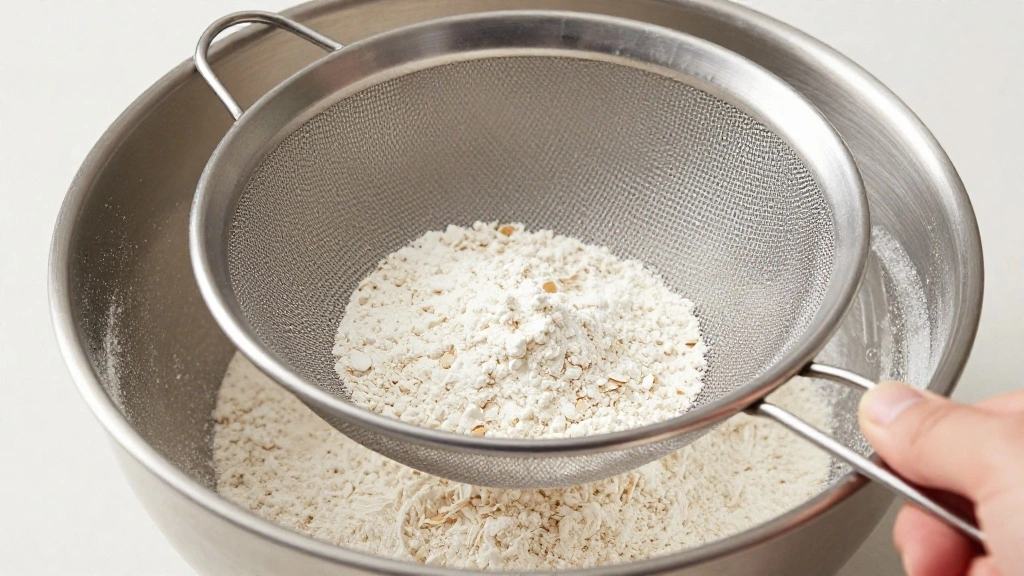
In a large mixing bowl, sift together the flour, sugar, baking powder, and salt.
Use a whisk to gently mix them, ensuring they are well-combined.
Look for a uniform mixture without clumps.
Sifting prevents dense pancakes and ensures even leavening.
Step 3: Mix Wet Ingredients
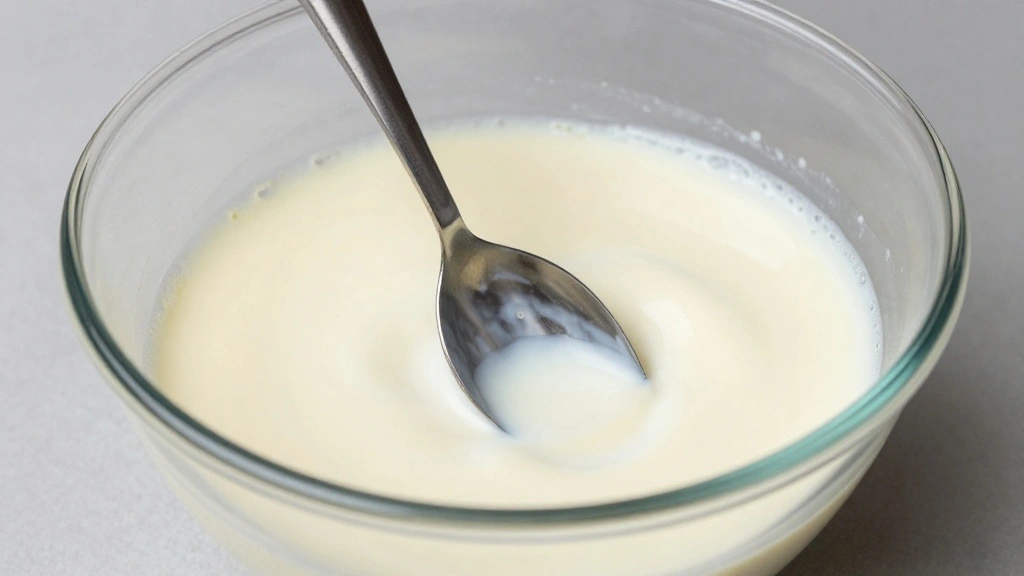
In another bowl, whisk together the milk, eggs, and melted butter.
Make sure the butter is cooled slightly to avoid cooking the eggs.
The mixture should be smooth with no visible egg streaks.
Proper mixing ensures a consistent batter texture.
Step 4: Combine Wet and Dry Mixtures
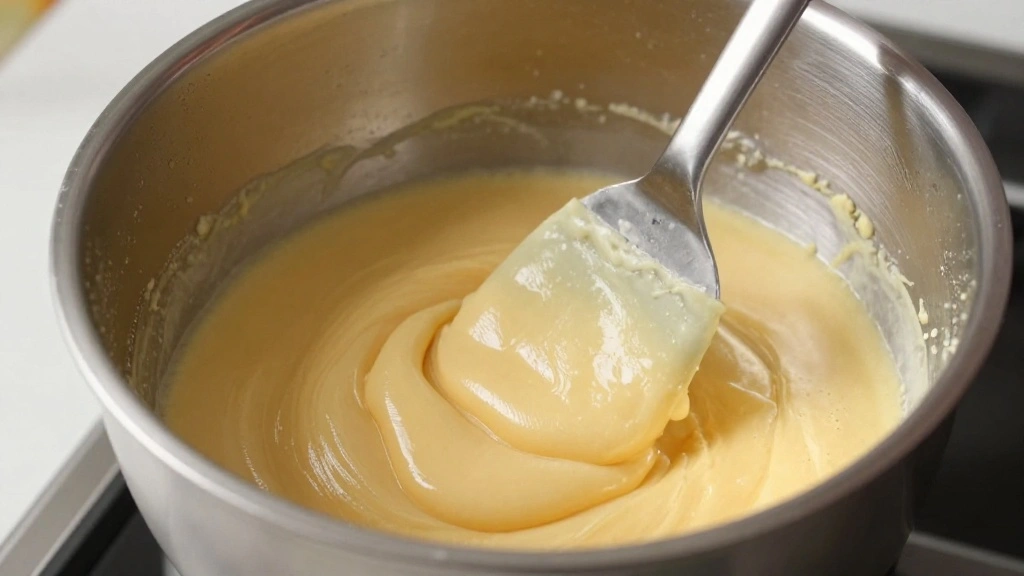
Pour the wet ingredients into the bowl with the dry ingredients.
Use a spatula to fold them together gently.
The batter should be smooth with a few small lumps.
Avoid over-mixing to prevent tough pancakes.
Step 5: Prepare the Sheet Pan
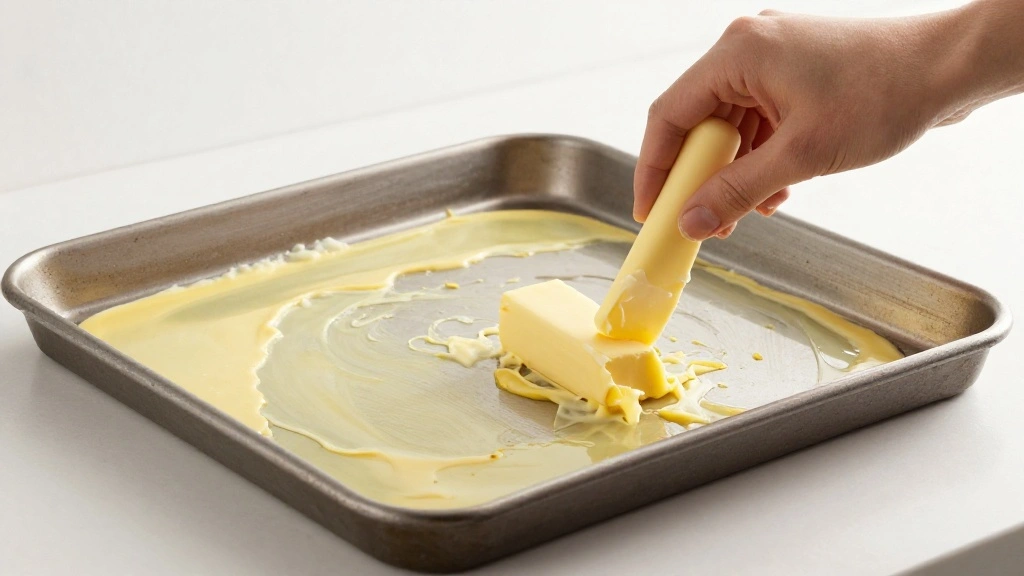
Lightly grease a sheet pan with butter or non-stick spray.
Ensure the entire surface is coated to prevent sticking.
This step is crucial for easy pancake removal.
Using parchment paper can also aid in cleanup.
Step 6: Spread Batter Evenly
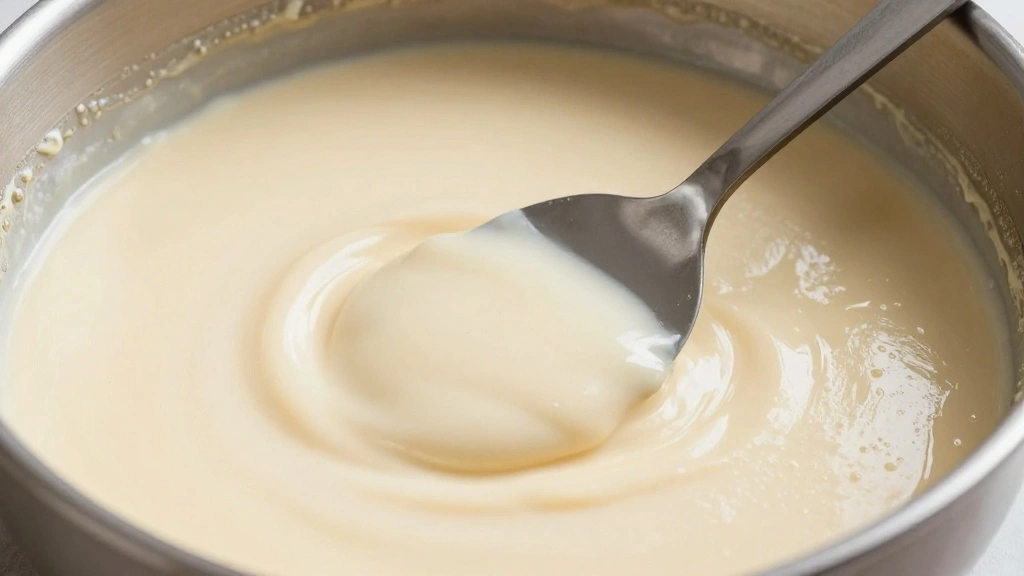
Pour the batter onto the prepared sheet pan.
Use a spatula to spread it evenly to the edges.
Ensure the batter is of uniform thickness.
This helps achieve even cooking and consistent texture.
Step 7: Bake the Pancakes
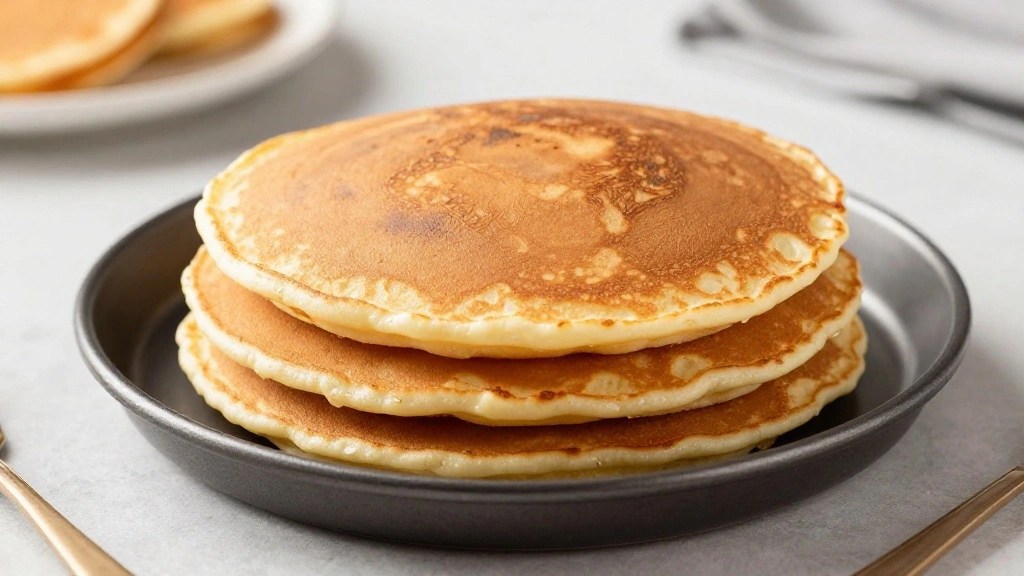
Place the sheet pan in the preheated oven.
Bake for 15-20 minutes until golden brown.
The edges should be slightly crispy, and the center should spring back when touched.
Keep an eye on the color to prevent over-browning.
Step 8: Cool and Serve
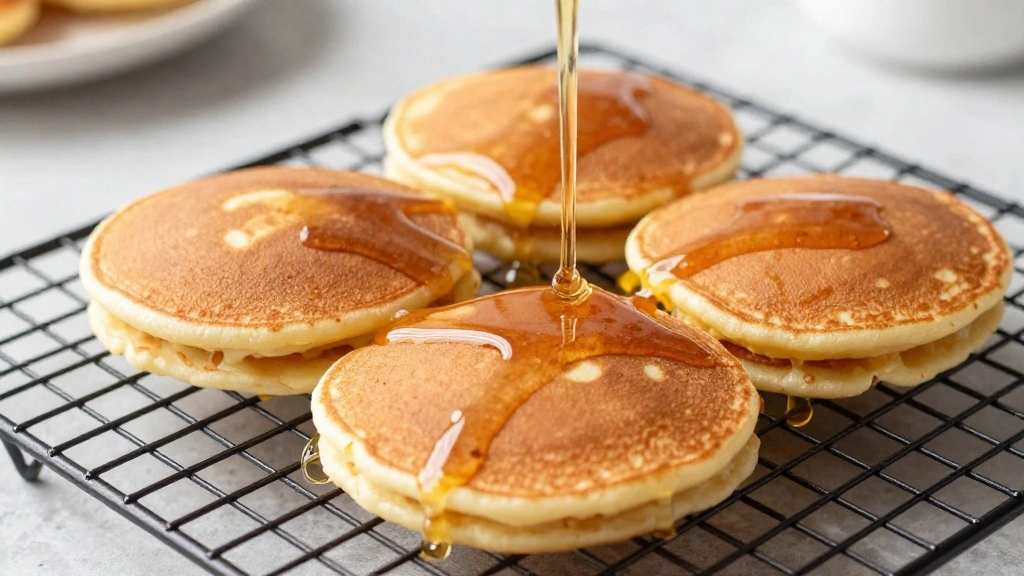
Remove the sheet pan from the oven and let it cool for 5 minutes.
Use a knife to cut the pancakes into squares.
Serve warm with your choice of toppings such as syrup or fresh fruit.
Cooling slightly prevents the pancakes from becoming soggy.
Critical Timing and Temperature Guide
Preheating: Ensure the oven is preheated to 425°F (220°C) for optimal baking. An under-heated oven can lead to uneven cooking.
Baking Time: Bake for 15-20 minutes. Look for golden-brown edges and a springy center. Avoid opening the oven too early to maintain even heat.
Cooling: Allow pancakes to cool for 5 minutes before cutting. This helps set their shape and makes them easier to handle.
Pro Tips for Sheet Pan Pancakes
• Ingredient Selection: Use high-quality, organic flour and fresh eggs for the best texture and flavor, ensuring the pancakes are light and fluffy.
• Preparation Secret: Let the batter rest for 5 minutes before spreading it on the sheet pan; this allows the baking powder to activate fully.
• Temperature Management: Ensure the milk and eggs are at room temperature for even mixing and a smoother batter.
• Texture Enhancement: Gently fold the batter to incorporate air, which helps achieve a lighter pancake.
• Flavor Layering: Add a teaspoon of vanilla extract or a pinch of cinnamon to the batter for an added depth of flavor.
• Make-Ahead Strategies: Prepare the batter the night before and store it in the fridge. Allow it to come to room temperature before baking.
• Restaurant-Quality Finishing Touches: Dust with powdered sugar and add a pat of butter on each square for a professional presentation.
• Equipment Optimization: Use a rimmed baking sheet to prevent overflow and ensure even baking.
Troubleshooting Common Issues
• Texture Too Dense: Caused by over-mixing the batter. Ensure to fold gently to incorporate air without overworking.
• Uneven Cooking: Often due to uneven spreading of batter. Use a spatula to ensure a consistent thickness across the entire pan.
• Sticking to Pan: Results from insufficient greasing. Make sure to grease the pan well or use parchment paper.
• Burning Edges: Oven temperature may be too high. Verify with an oven thermometer and adjust accordingly.
• Flat Pancakes: Indication of inactive baking powder. Ensure it's fresh and properly measured.
Variations and Regional Differences
• Blueberry Sheet Pan Pancakes: Fold fresh or frozen blueberries into the batter before spreading it on the sheet pan. Adds a burst of fruity flavor.
• Chocolate Chip Variation: Incorporate chocolate chips for a sweet twist. Use semi-sweet for balanced flavor.
• Gluten-Free Version: Substitute all-purpose flour with a gluten-free blend. Ensure the blend includes xanthan gum for structure.
• Savory Pancakes: Omit sugar and add cheese and herbs for a savory version suitable for a brunch dish.
Food Science Behind the Recipe
• Leavening Agents: Baking powder releases carbon dioxide, creating bubbles that help the pancakes rise and achieve a fluffy texture.
• Maillard Reaction: The browning of the pancake edges involves the Maillard reaction, enhancing flavor and creating a desirable crust.
• Gluten Development: Mixing flour with liquid develops gluten, contributing to structure but should be minimized to avoid toughness.
Frequently Asked Questions
What's the most common mistake people make when preparing sheet pan pancakes? Over-mixing the batter, leading to dense pancakes. Mix until just combined.
Can I make these pancakes ahead of time? Yes, prepare the batter in advance and store it in the fridge. Bring to room temperature before baking.
How can I ensure even cooking? Spread the batter evenly with a spatula and ensure your oven is properly preheated.
Can I use whole wheat flour instead? Yes, but the texture will be denser. Consider using half whole wheat and half all-purpose flour for balance.
What toppings go well with sheet pan pancakes? Maple syrup, fresh fruit, whipped cream, and nuts are popular choices.
Is it possible to make this recipe dairy-free? Substitute milk with almond or soy milk and use oil instead of butter.
How do I store leftovers? Store in an airtight container in the fridge for up to 3 days or freeze for longer storage.
Can I add mix-ins directly to the batter? Yes, incorporate ingredients like nuts or fruit gently to avoid deflating the batter.
Serving and Presentation Guide
• Traditional Presentation: Serve cut into squares on a large platter with syrup and a dusting of powdered sugar.
• Family Style: Present directly on the sheet pan, allowing guests to help themselves.
• Individual Plates: Arrange squares on individual plates with a side of fruit and a dollop of whipped cream.
• Buffet Style: Stack on a warming tray for self-service, perfect for a brunch gathering.


Conclusion
With its delightful flavors and effortless preparation, sheet pan pancakes are a must-try for any breakfast lover.
Gather your ingredients and equipment, and you'll have a delicious breakfast ready in no time.
Whether for a special occasion or a lazy weekend morning, this recipe is sure to become a family favorite.