
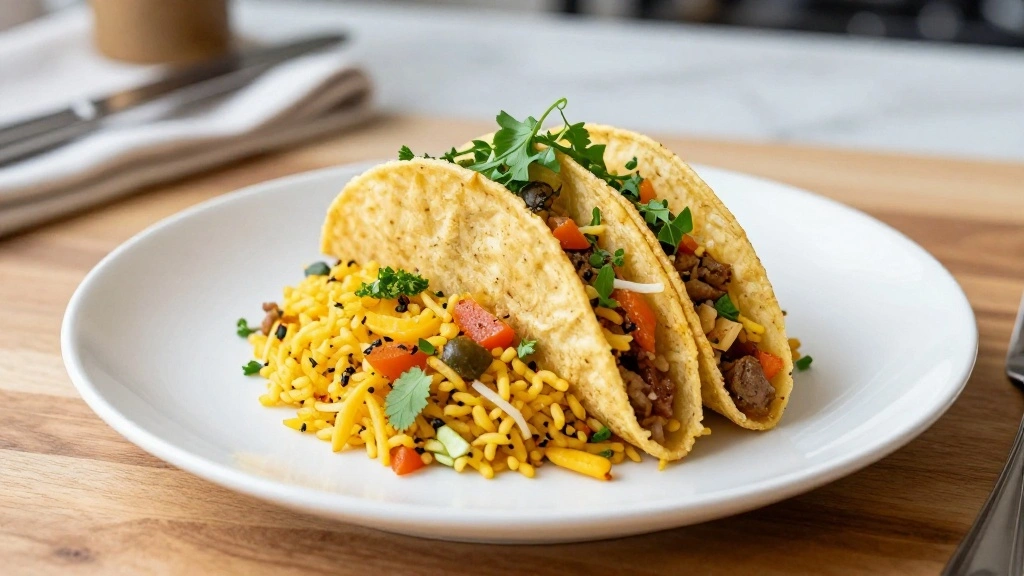


The Taco Rice Bowl is a delightful fusion of Mexican and Japanese cuisines that captures the essence of comfort food in a single bowl.
Packed with vibrant flavors and diverse textures, this dish offers a satisfying experience for both the taste buds and the senses.
I stumbled upon this recipe while exploring Okinawa, where it has become a favorite due to its simplicity and deliciousness.
The combination of seasoned beef, fresh vegetables, and perfectly cooked rice makes it an ideal choice for a quick family dinner or a casual gathering with friends.
Whether you’re a fan of Mexican flavors or Japanese rice dishes, the Taco Rice Bowl is sure to become a staple in your household.
The History and Cultural Significance
• Taco Rice Bowl traces its origins to Okinawa in the 1980s, where it was originally created by local chefs seeking to blend American and Japanese flavors.
• The dish evolved over decades as it incorporated more local ingredients and seasoning techniques, eventually becoming the beloved version we know today.
• In Okinawa, this dish traditionally appears at casual gatherings and family meals, symbolizing culinary fusion and innovation.
• While many variations exist across different regions, the authentic version maintains a balance of flavorful beef and perfectly cooked rice that sets it apart from imitations.



Recipe Overview
Nutritional Information (per serving)


Essential Equipment Guide
Rice Cooker: A rice cooker ensures perfectly cooked rice with the right texture, a critical element for this dish. While a pot can be used, a rice cooker simplifies the process and provides consistent results.
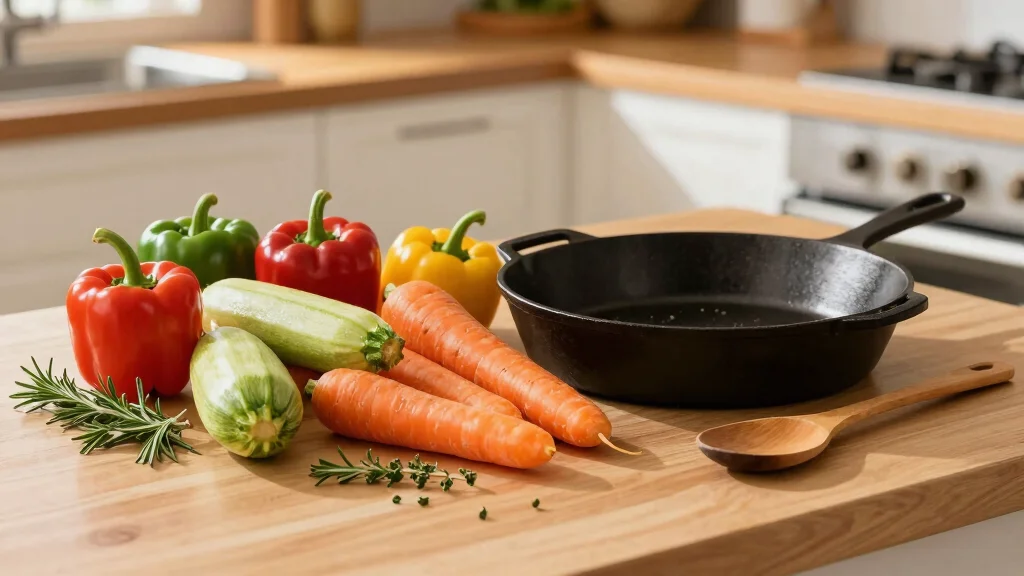
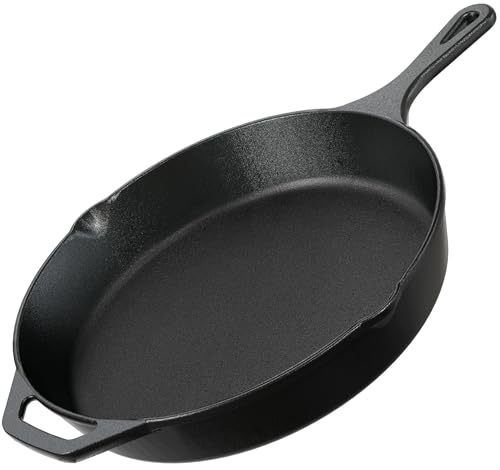
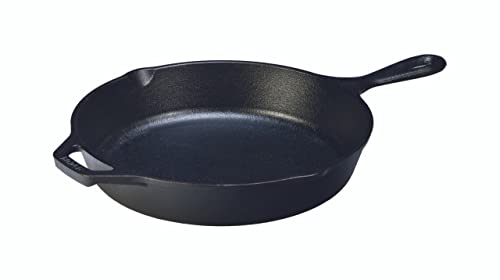
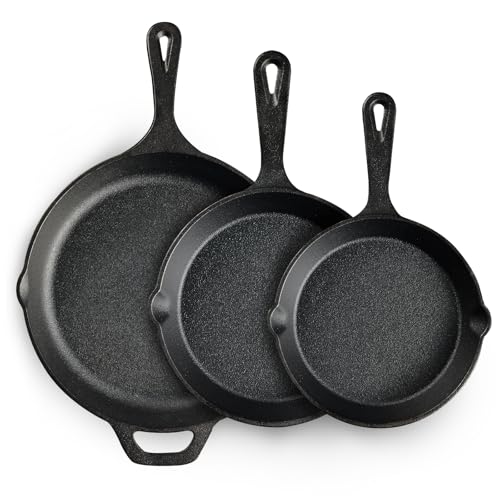
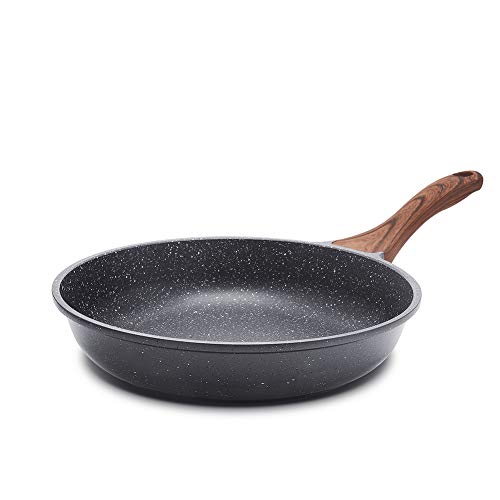
Non-stick Skillet: This is essential for cooking the beef without it sticking to the pan, allowing for even browning and flavor development. A cast-iron skillet is a good alternative if you prefer a more robust sear.
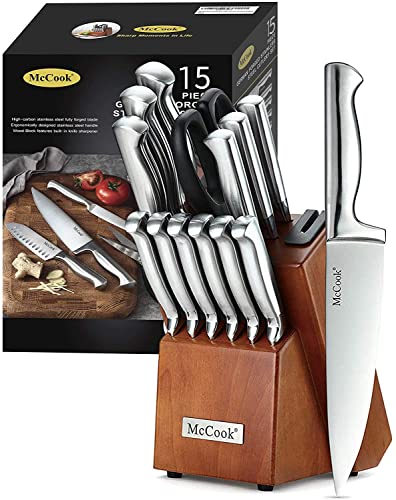
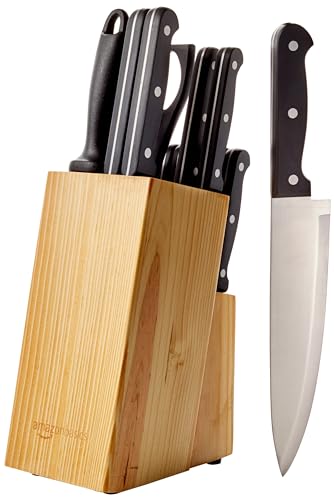
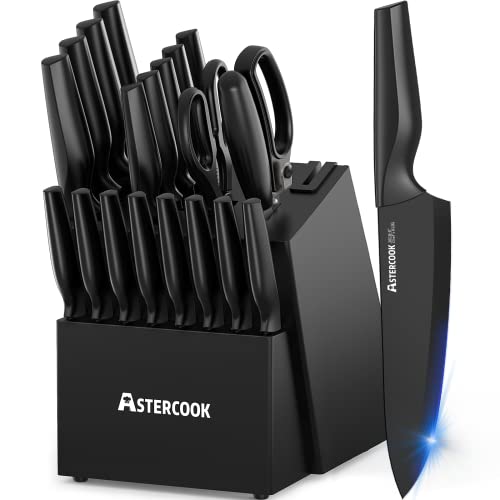
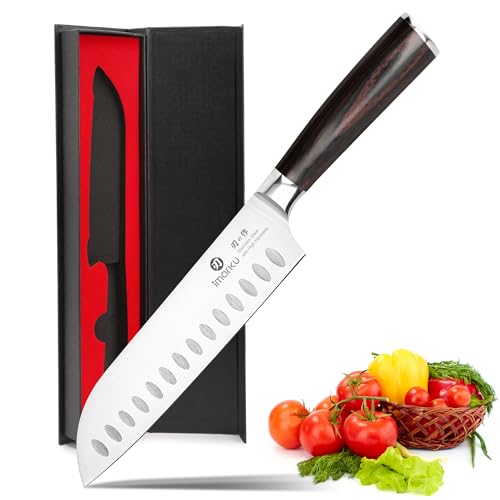
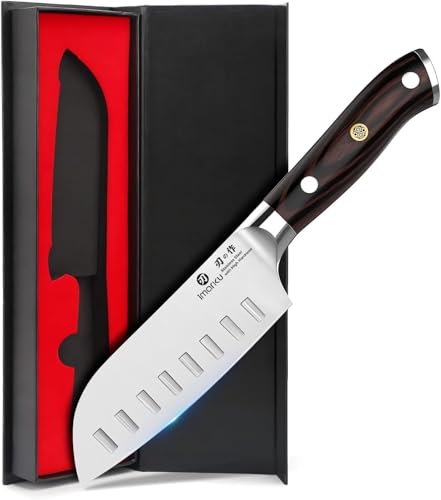
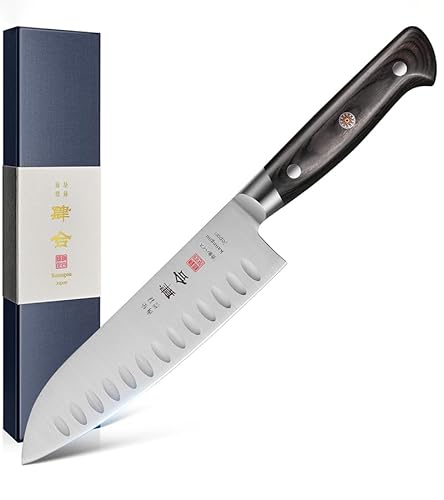
Sharp Knife: A sharp knife allows for precise chopping of vegetables, which is important for texture and presentation. Look for a knife that maintains its edge well and is comfortable to handle.



Ingredients
For the Base
|
|
| Amount | Ingredient | Notes |
|---|---|---|
| 2 cups | jasmine rice | cooked according to package instructions |
| 1 pound | ground beef | lean, for rich flavor without excess fat |
Vegetables
| Amount | Ingredient | Notes |
|---|---|---|
| 1 cup | lettuce | shredded, provides freshness |
| 1 medium | tomato | diced, adds juiciness |
| 1 small | onion | chopped finely, for a mild bite |
Seasonings
| Amount | Ingredient | Notes |
|---|---|---|
| 2 tablespoons | soy sauce | adds umami |
| 1 tablespoon | taco seasoning | for a Mexican flavor twist |
| 1 teaspoon | garlic powder | for depth of flavor |





Preparation Methods
Rice Cooking: Use the absorption method to cook rice, ensuring it is fluffy and not sticky. This involves rinsing the rice until the water runs clear, then cooking it with the exact amount of water required to be absorbed.
Sautéing: This technique involves cooking the beef over medium-high heat until it's browned, ensuring the meat doesn't steam in its juices. Stir frequently to prevent burning and to allow even cooking.
Layering: Proper layering of ingredients is key to this dish, ensuring each bite contains a mix of rice, meat, and vegetables. Start with a base of rice, followed by beef, and finish with fresh vegetables on top.




Step 1: Prepare Ingredients
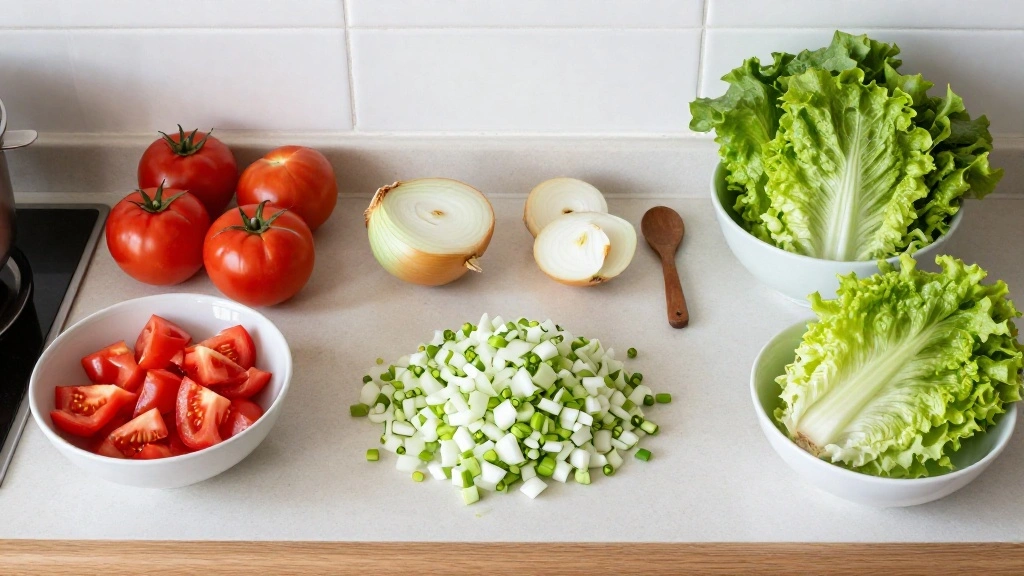
Gather all necessary ingredients and equipment.
Rinse the jasmine rice under cold water until the water runs clear.
Dice the tomato and chop the onion finely.
Shred the lettuce and set aside.



Step 2: Cook the Rice

Place rinsed rice in the rice cooker with the appropriate amount of water.
Start the rice cooker and let it cook until the rice is fluffy and tender.
Once done, fluff the rice with a fork to separate the grains.
Keep the rice warm while preparing the other components.
Step 3: Brown the Beef
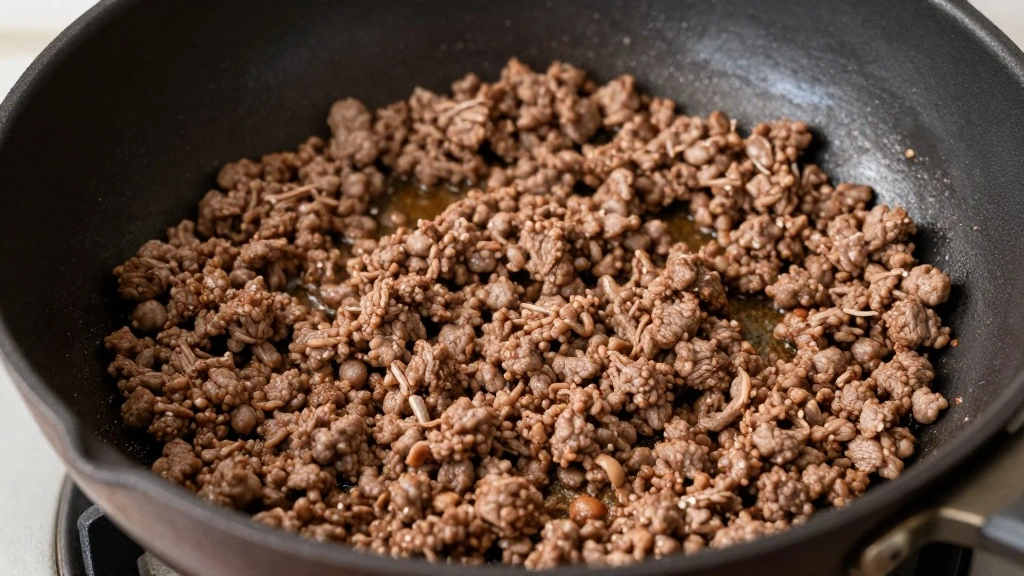
Heat a non-stick skillet over medium-high heat.
Add the ground beef and cook until browned, breaking it up with a spatula.
Drain excess fat from the skillet to prevent greasiness.
Ensure the beef is evenly browned for maximum flavor.
Step 4: Season the Beef
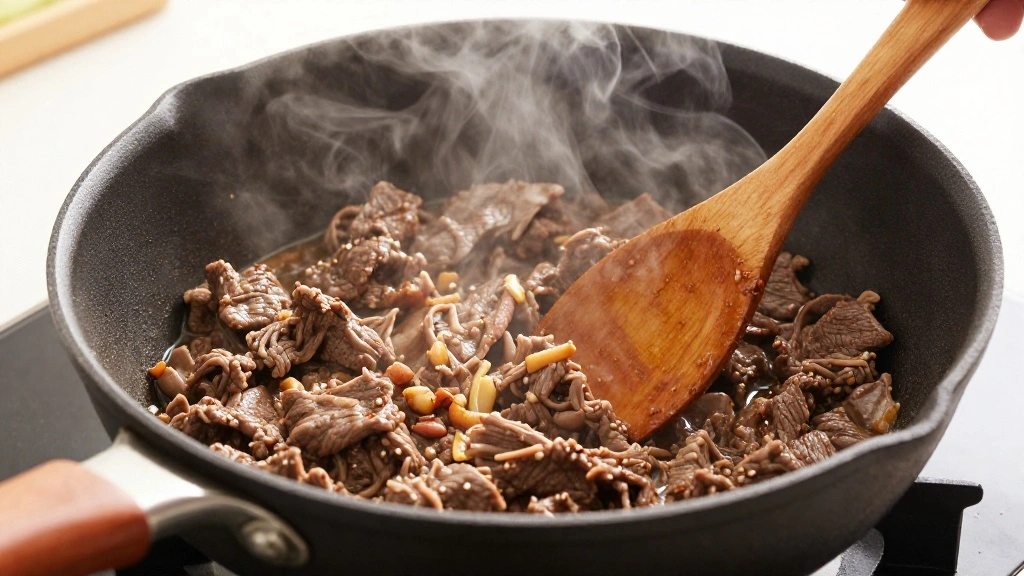
Reduce heat to medium and add soy sauce and taco seasoning to the beef.
Stir in garlic powder for additional flavor.
Cook for another 2-3 minutes until the beef is well-seasoned.
Make sure the seasoning is evenly distributed throughout the beef.
Step 5: Assemble the Taco Rice Bowl
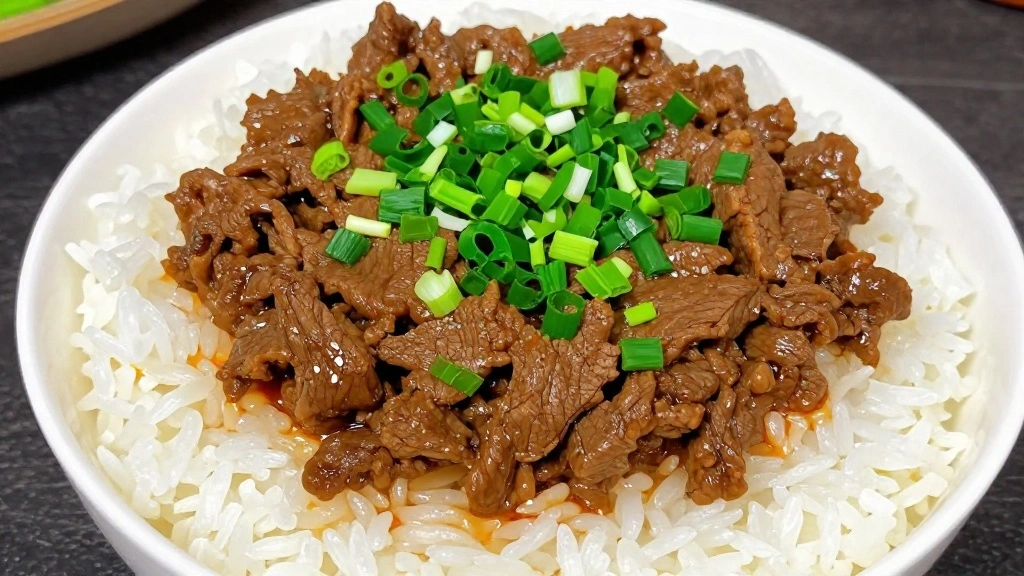
Start with a generous serving of rice as the base in each bowl.
Layer the seasoned beef on top of the rice.
Add shredded lettuce, diced tomato, and chopped onion over the beef.
Ensure each component is visible for a vibrant presentation.
Step 6: Garnish the Dish
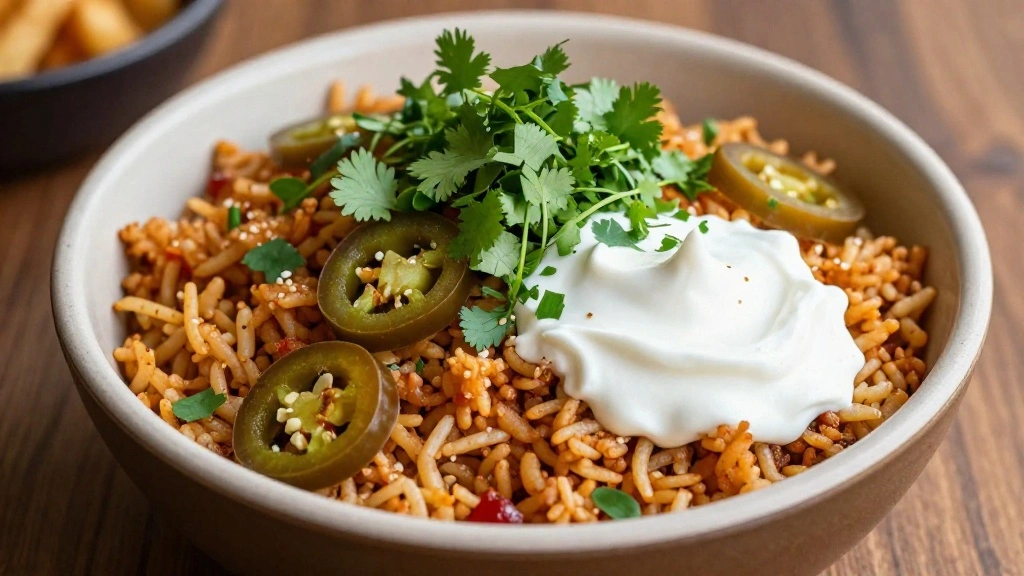
Sprinkle fresh cilantro over the top for an herbal note.
Add a dollop of sour cream or guacamole if desired.
For a touch of spice, consider adding sliced jalapeños.
Adjust garnishes to taste for the perfect balance of flavors.



Critical Timing and Temperature Guide
Rice Cooking: Cook the rice for 15-20 minutes in the rice cooker. Look for fluffy grains that are not sticky. Avoid lifting the lid during cooking as it will release steam and affect texture.
Beef Browning: Brown the beef over medium-high heat for 7-8 minutes. The beef should be a deep brown color with no pink spots. Stir frequently to prevent burning.
Vegetable Preparation: Prepare vegetables while the beef cooks to ensure they are fresh and crisp. Keep them cool until ready to serve to maintain crunch.
Pro Tips for Taco Rice Bowl
• Ingredient Selection: Choose high-quality jasmine rice for its fragrant aroma and fluffy texture, which makes a significant difference in the final dish.
• Preparation Secret: Rinsing the rice thoroughly removes excess starch, preventing the rice from becoming gummy.
• Temperature Management: Ensure the skillet is hot before adding beef to achieve a good sear, locking in juices and flavor.
• Texture Enhancement: Use fresh, crisp lettuce and ripe tomatoes for a refreshing contrast to the warm beef and rice.
• Flavor Layering: Layering the ingredients allows each bite to have a mix of flavors and textures, essential for an authentic experience.
• Make-Ahead Strategies: Cook the beef a day ahead and store in the refrigerator. Reheat gently before serving.
• Restaurant-Quality Finishing Touches: Drizzle with a squeeze of lime juice before serving for a fresh, zesty finish.
• Equipment Optimization: Use the rice cooker’s ‘keep warm’ setting to maintain rice temperature until serving.
Troubleshooting Common Issues
• Rice Too Sticky: This can occur if the rice wasn't rinsed properly. Rinse until water is clear and use the correct water-to-rice ratio.
• Beef Too Greasy: Drain excess fat from the beef after browning to prevent the dish from becoming greasy.
• Flavors Unbalanced: Adjust seasoning by adding more taco seasoning or a pinch of salt to taste. Too much soy sauce can overpower other flavors.
• Vegetables Wilted: Prepare vegetables just before serving and keep them refrigerated until needed.
• Rice Undercooked: If the rice is undercooked, add a few tablespoons of water and cook on the ‘keep warm’ setting until done.
Variations and Regional Differences
• Okinawan Style: This version uses local Okinawan ingredients such as goya (bitter melon) for a unique twist, adding a slight bitterness balanced by the savory beef.
• Mexican-Inspired Variation: Incorporates black beans and corn into the mix, enhancing the dish with additional texture and nutrients.
• Vegetarian Version: Substitute beef with seasoned tofu or tempeh, providing a plant-based alternative that retains the dish's hearty character.
• Spicy Korean Fusion: Includes kimchi and a dash of gochujang, offering a spicy kick and a tangy twist.
Food Science Behind the Recipe
• Starch Gelatinization: Understanding how rice starches gelatinize during cooking helps achieve the desired fluffy texture. Too much water or insufficient rinsing can lead to gummy rice.
• Maillard Reaction: The browning of beef occurs due to the Maillard reaction, creating complex flavors and aromas essential for a rich, savory profile.
• Emulsification: Combining soy sauce and taco seasoning with beef fat creates an emulsion, distributing flavors evenly throughout the beef.
Frequently Asked Questions
What's the most common mistake people make when preparing Taco Rice Bowl? Overcooking the rice or under-seasoning the beef are common mistakes. Ensuring the rice is fluffy and the beef is flavorful is key.
Can I use brown rice instead of jasmine rice? Yes, but note that brown rice will have a firmer texture and will require a longer cooking time.
How can I make this dish spicier? Add sliced jalapeños or a sprinkle of crushed red pepper to increase the heat level.
Is there a substitute for soy sauce? You can use tamari for a gluten-free alternative or coconut aminos for a soy-free option.
Can I prepare this dish in advance? Yes, cook the beef and rice ahead of time and store separately. Assemble just before serving for best results.
What if I don't have taco seasoning? Make your own by combining chili powder, cumin, paprika, garlic powder, and onion powder.
How do I store leftovers? Store in an airtight container in the fridge for up to 3 days. Reheat gently before serving.
Serving and Presentation Guide
• Traditional Presentation: Serve in a deep bowl with a base of rice, topped with beef and fresh vegetables, garnished with cilantro.
• Family Style: Arrange all components separately on a large platter, allowing diners to assemble their own bowls.
• Layered Dish: Create a visually appealing layered dish by alternating between rice, beef, and vegetables in a clear glass bowl.
• Gourmet Touch: Use a ring mold to neatly layer ingredients for an elegant presentation, perfect for a more formal setting.


Conclusion
The Taco Rice Bowl is a delightful fusion of flavors and cultures that brings excitement to mealtime.
With its simple preparation and satisfying taste, it's a dish that everyone will love to share.
I encourage you to try this recipe and enjoy the harmony of Mexican and Japanese influences in every bite.