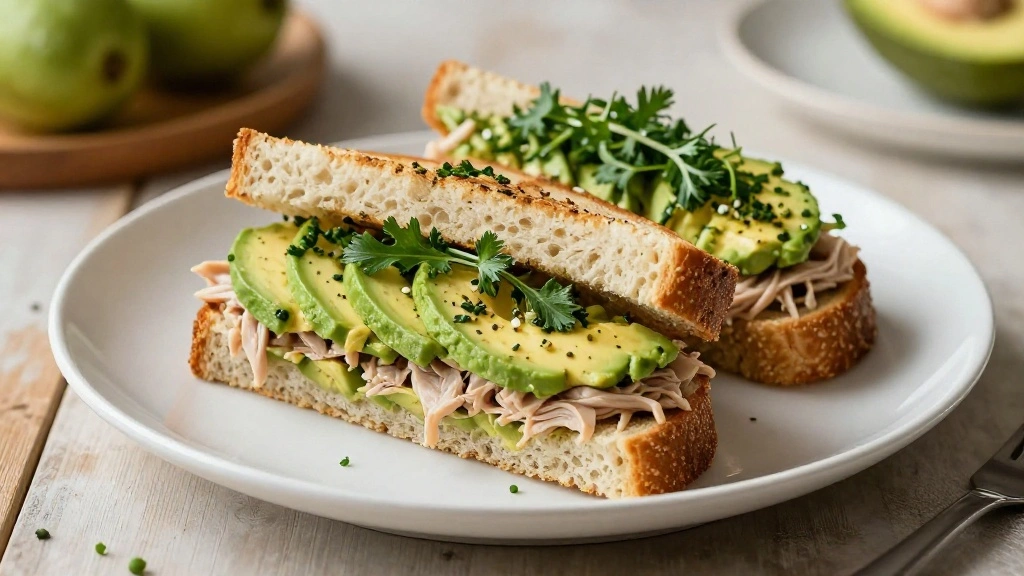




The Caprese Sandwich is a delightful blend of fresh and vibrant flavors, reminiscent of a sunny day in Italy.
With its simple yet flavorful ingredients, it offers a perfect balance between creamy mozzarella, juicy tomatoes, and aromatic basil.
This sandwich is not only a treat to the taste buds but also a feast for the eyes with its bright and inviting colors.
I first fell in love with this recipe during a summer holiday on the Amalfi Coast, where every bite felt like a celebration of the season.
Whether you’re planning a light lunch or a picnic in the park, the Caprese Sandwich is your go-to choice for a fresh and satisfying meal.
Prepare to be amazed by how such simple ingredients can create such a memorable culinary experience.
The History and Cultural Significance
• Caprese Sandwich traces its origins to the island of Capri in Italy, where it was originally created as a homage to the Italian flag with its red, white, and green ingredients.
• The dish evolved over decades as regional variations introduced different bread types and additional herbs, eventually becoming the beloved version we know today.
• In Italian culture, this dish traditionally appears at summer gatherings and picnics, symbolizing freshness and the bounty of the season.
• While many variations exist across different regions, the authentic version maintains the use of fresh mozzarella, ripe tomatoes, and basil leaves that sets it apart from imitations.





Recipe Overview
Nutritional Information (per serving)





Essential Equipment Guide
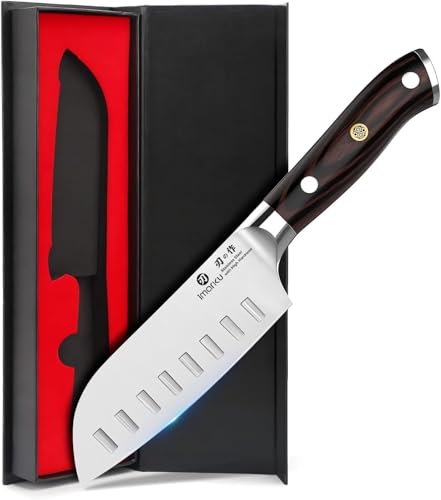
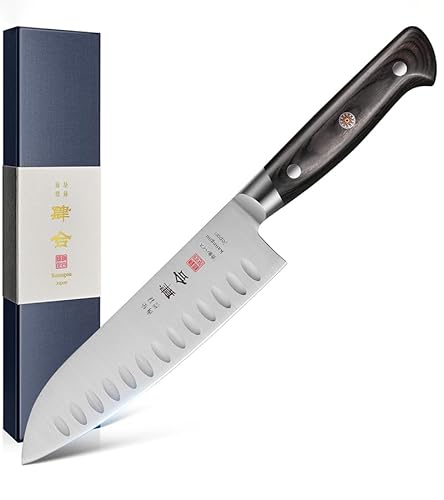
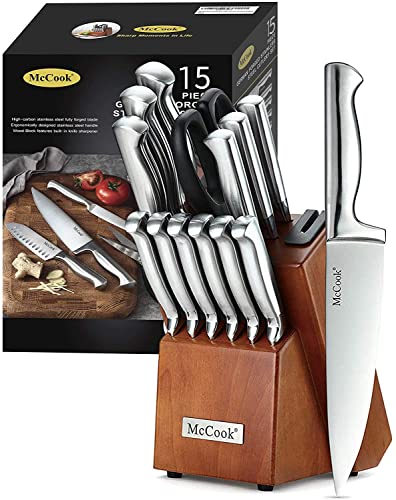
Sharp Knife: A sharp knife is essential for slicing the tomatoes and mozzarella cleanly without crushing them. Alternatives like a serrated knife may work, but a sharp blade ensures precision and presentation.
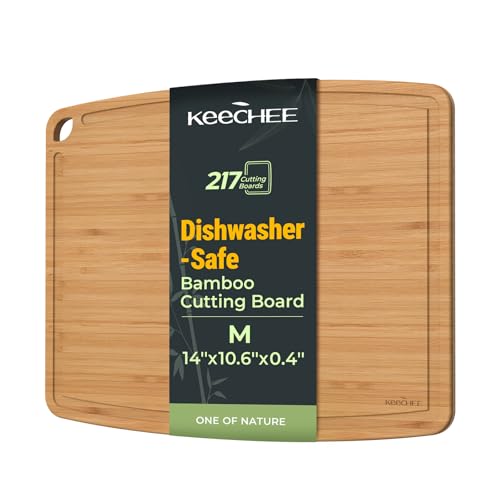
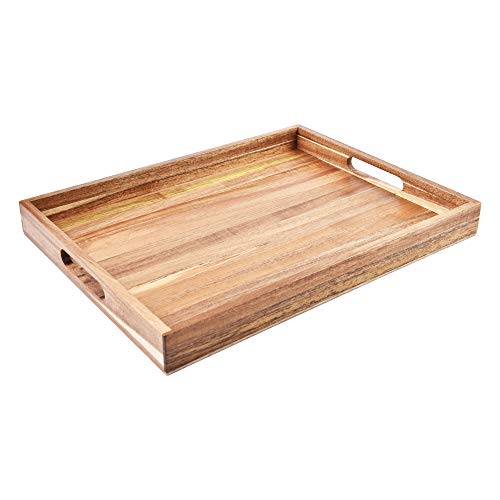
Cutting Board: Using a sturdy cutting board provides a stable surface for slicing ingredients evenly. Look for one with non-slip edges and easy cleaning features.
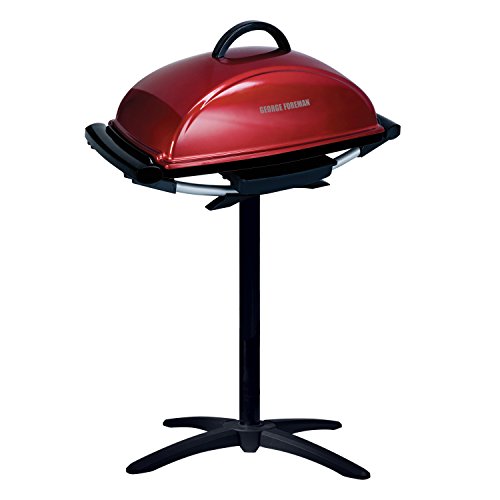
Toaster or Grill Pan: For those who prefer a toasted sandwich, a toaster or grill pan can add a delightful crunch to the bread. Ensure your equipment evenly distributes heat for consistent results.




Ingredients
For the Base
|
|
| Amount | Ingredient | Notes |
|---|---|---|
| 4 slices | ciabatta bread | lightly toasted if desired |
For the Filling
| Amount | Ingredient | Notes |
|---|---|---|
| 2 medium | tomatoes | sliced into 1/4 inch rounds |
| 8 ounces | fresh mozzarella | sliced into 1/4 inch rounds |
For the Seasoning
| Amount | Ingredient | Notes |
|---|---|---|
| 1 bunch | fresh basil leaves | adds aromatic freshness |
| 2 tablespoons | extra virgin olive oil | drizzle for richness |
| 1 pinch | sea salt | enhances flavors |
| 1 pinch | black pepper | adds mild spice |




Preparation Methods
Layering Technique: Proper layering is crucial for a balanced sandwich. Start with a base of bread, then alternate cheese and tomatoes, finishing with basil on top. This technique ensures every bite has a combination of all ingredients.
Seasoning Technique: Season the tomatoes and mozzarella with salt and pepper before assembling. This allows the flavors to penetrate and enhance each bite, rather than just sitting on the surface.
Oil Drizzling Technique: Drizzle olive oil evenly over the entire sandwich components. This adds moisture and unifies the flavors, so use a steady hand to avoid over-saturating any part.




Step 1: Prepare Ingredients
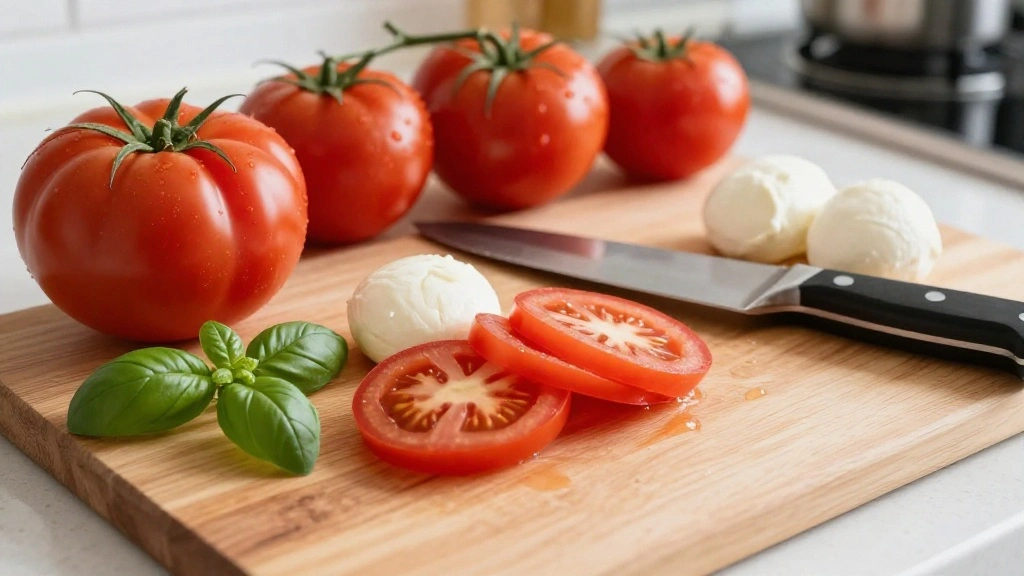
Gather all your ingredients and equipment on a clean workspace.
Ensure tomatoes and mozzarella are at room temperature for optimal flavor.
Wash the basil leaves under cold running water and pat dry with a paper towel.
Use a sharp knife to slice the tomatoes and mozzarella into even rounds.





Step 2: Slice Bread
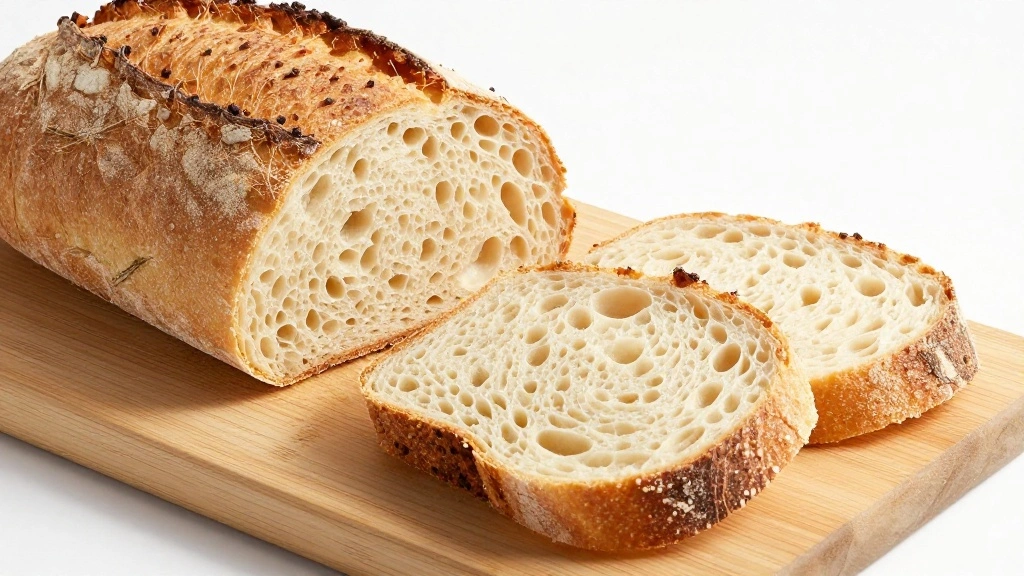
Take the ciabatta bread and slice it into even pieces.
If using a loaf, cut four slices about 1/2 inch thick.
Ensure the slices are even to avoid uneven toasting if desired.
Lay the slices flat on your cutting board.




Step 3: Assemble the Base
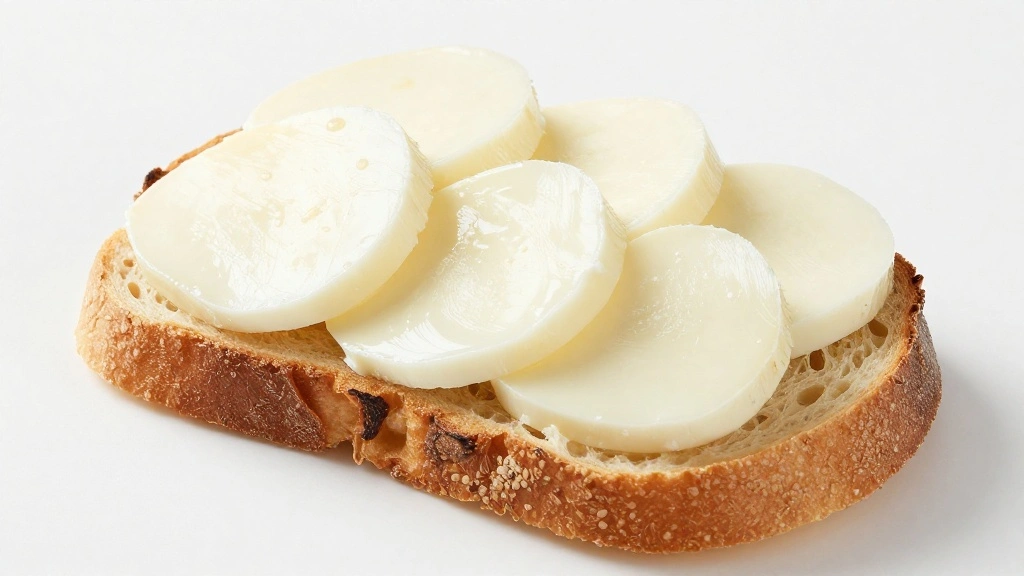
Place two slices of bread on the counter to start building the sandwich.
Lay down a layer of mozzarella slices on each piece of bread.
Ensure the cheese covers the surface evenly without overlapping excessively.
This forms the base layer of the sandwich.


Step 4: Add Tomatoes
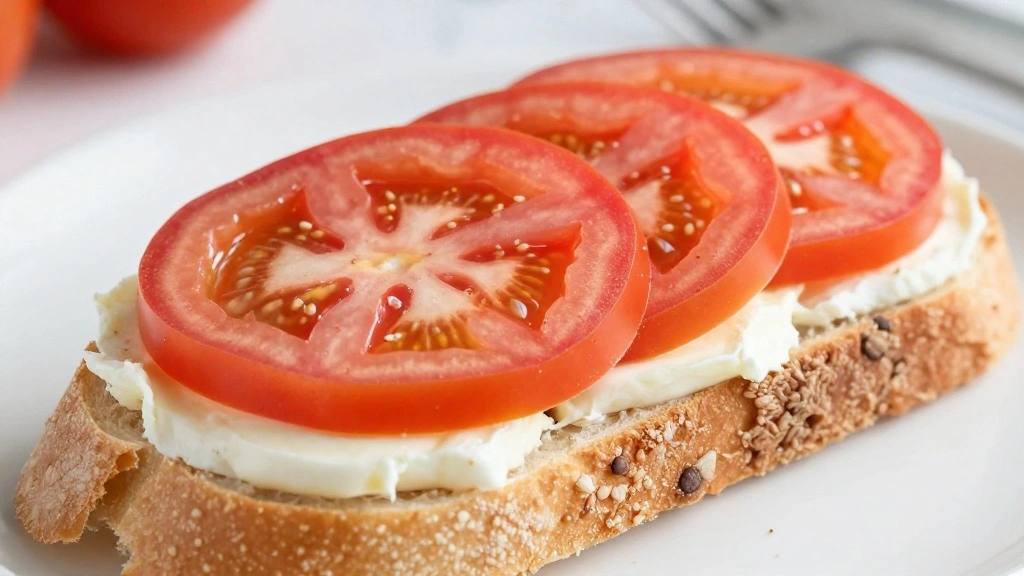
Take the sliced tomatoes and place them on top of the mozzarella.
Arrange the slices so they overlap slightly, covering the entire cheese layer.
This creates a juicy contrast to the creamy cheese.
Ensure even distribution for uniform flavor.
Step 5: Season the Layers
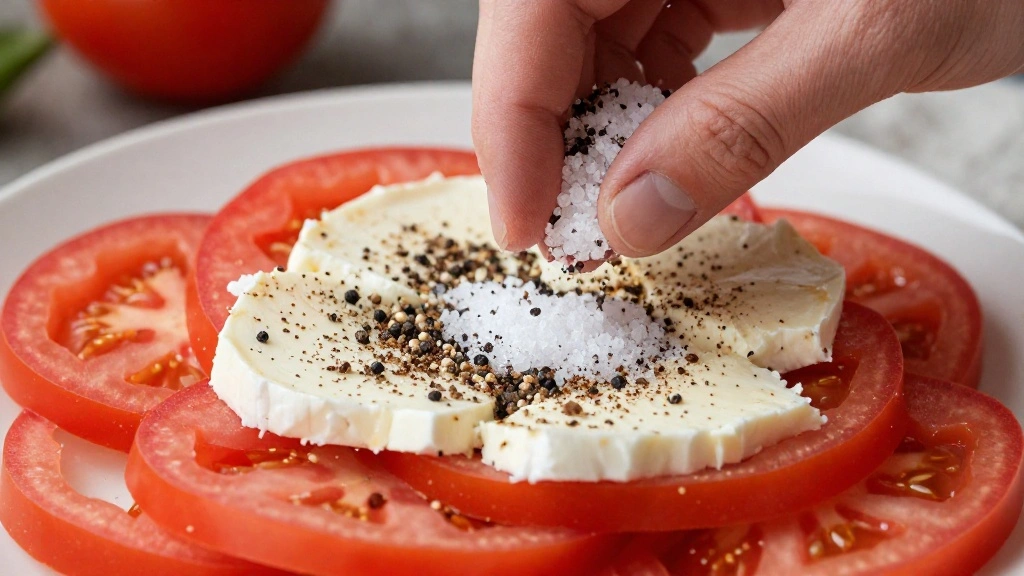
Sprinkle a pinch of sea salt and freshly ground black pepper over the tomatoes.
Seasoning at this stage enhances the natural flavors of the tomatoes and cheese.
Be gentle to avoid overpowering the delicate ingredients.
Season each sandwich evenly.
Step 6: Add Fresh Basil
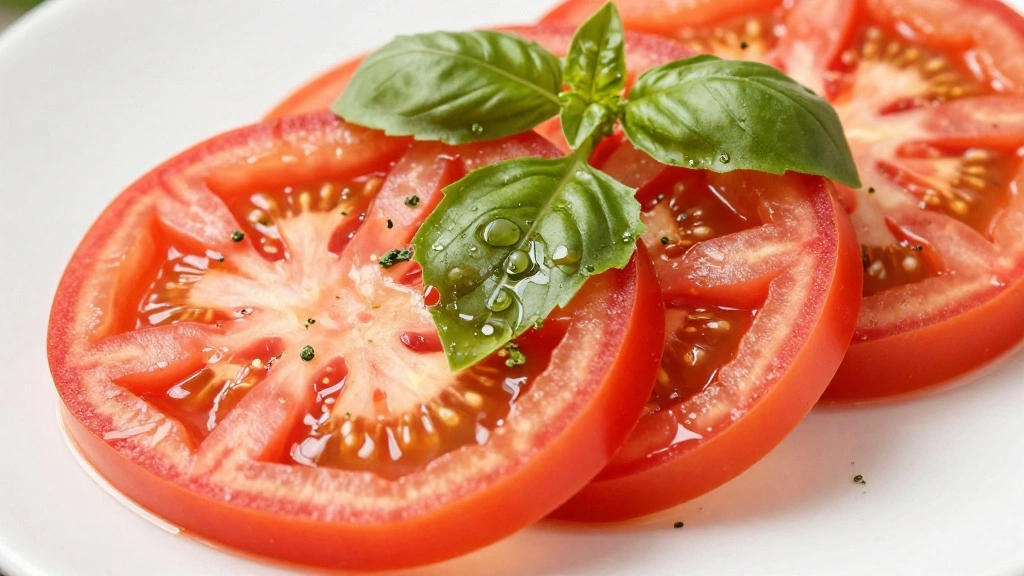
Gently tear fresh basil leaves and scatter them over the tomatoes.
Tearing instead of cutting prevents bruising and releases more aroma.
Cover the entire surface with basil for a fragrant finish.
This step adds a burst of flavor and color.
Step 7: Drizzle with Olive Oil

Use a spoon to drizzle extra virgin olive oil over the assembled ingredients.
Start from the center and move outwards in a circular motion.
This ensures even coverage without soaking the bread.
Olive oil binds the flavors together.
Step 8: Complete the Sandwich
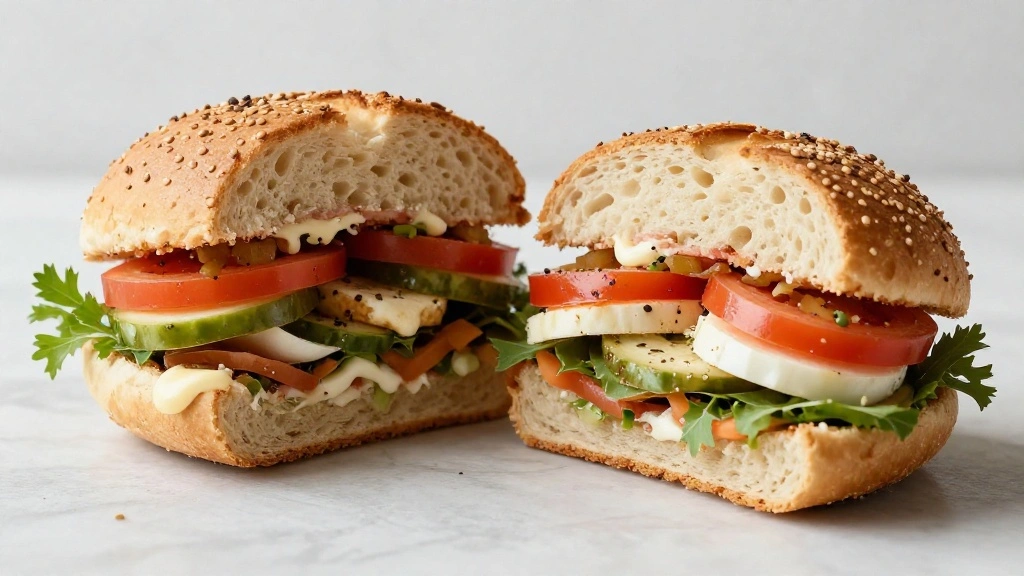
Place the remaining bread slices on top of the assembled ingredients.
Press down gently to secure the layers without crushing them.
This step finalizes the assembly of your Caprese Sandwich.
Cut the sandwich in half for easy serving.
Critical Timing and Temperature Guide
Bread Toasting: If desired, toast the bread for 2-3 minutes on a medium setting until golden. Avoid over-toasting, which can make the bread too hard.
Ingredient Temperature: Use room temperature tomatoes and mozzarella for optimal flavor release. Cold ingredients can dull the taste profile.
Oil Drizzle: Drizzle olive oil just before serving to maintain freshness and prevent sogginess over time.
Pro Tips for Caprese Sandwich
• Ingredient Selection: Choose vine-ripened tomatoes and fresh mozzarella from local markets for the best flavor.
• Preparation Secret: Lightly salt the tomatoes before assembling to draw out their sweetness and reduce excess moisture.
• Temperature Management: Keep mozzarella at room temperature to ensure it remains soft and creamy.
• Texture Enhancement: Toasting the bread adds a delightful contrast to the soft filling.
• Flavor Layering: Use a high-quality olive oil and a pinch of sea salt to enhance the natural flavors of the ingredients.
• Make-Ahead Strategies: Prepare the ingredients in advance and assemble just before serving to maintain freshness.
• Restaurant-Quality Finishing Touches: Add a balsamic glaze drizzle for an elevated touch.
• Equipment Optimization: Use a serrated knife for clean cuts through soft mozzarella and crusty bread.
Troubleshooting Common Issues
• Sandwich Soggy: This can happen if the tomatoes are too watery or too much olive oil is used. Pat tomatoes dry and use a light hand with oil.
• Flavors Unbalanced: An imbalance can occur if the ingredients aren't evenly distributed. Ensure consistent layering of cheese, tomatoes, and basil.
• Bread Too Hard: Over-toasting can lead to a hard texture. Toast lightly and check frequently.
• Cheese Too Soft: If mozzarella is too runny, it might be due to high moisture content. Opt for slightly firmer fresh mozzarella.
• Tomatoes Too Bland: Choose ripe, flavorful tomatoes and season them well before assembling.
• Oil Overwhelming: Use a quality olive oil sparingly to avoid overpowering the delicate flavors.
Variations and Regional Differences
• Italian Variation: Includes a drizzle of balsamic reduction for added depth and sweetness.
• American Variation: Often includes the addition of avocado or arugula for a modern twist.
• French Variation: Uses a baguette instead of ciabatta, giving a crispier texture.
• Mediterranean Variation: Incorporates olives and capers for a briny contrast.
Food Science Behind the Recipe
• Flavor Release: Room temperature ingredients allow volatile compounds to release, enhancing aroma and taste.
• Moisture Balance: Salt draws out moisture from tomatoes, concentrating flavor and preventing sogginess.
• Oil Emulsification: Olive oil acts as a binding agent, emulsifying flavors and providing a smooth mouthfeel.
Frequently Asked Questions
What's the most common mistake people make when preparing Caprese Sandwich? Overloading the sandwich with too many ingredients, which can lead to a soggy texture and muddled flavors.
Can I use different types of bread? Yes, you can experiment with different breads like sourdough or focaccia, but ensure they are not too dense.
Is it necessary to use fresh mozzarella? Fresh mozzarella is recommended for its creamy texture and authentic taste, but you can use other soft cheeses in a pinch.
How can I store leftover sandwiches? Store in an airtight container in the refrigerator, but it's best enjoyed fresh to maintain texture.
Can I prepare this sandwich ahead of time? You can prepare the ingredients in advance, but assemble the sandwich just before serving to maintain freshness.
What can I pair with a Caprese Sandwich? Pair with a light salad or a refreshing iced tea for a complete meal.
How do I achieve the best flavor combination? Use ripe tomatoes, fresh basil, and high-quality olive oil to elevate the natural flavors.
Serving and Presentation Guide
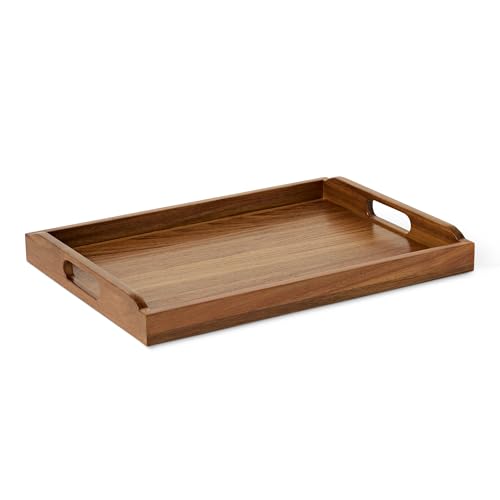
• Traditional Presentation: Serve on a wooden board with a sprinkle of coarse sea salt around.
• Modern Twist: Add a balsamic glaze drizzle on top for a visual and flavor enhancement.
• Picnic Style: Wrap in parchment paper and tie with twine for easy transport and rustic appeal.
• Elegant Presentation: Cut into small triangles and serve as an appetizer on a decorative platter.
Conclusion
The Caprese Sandwich is a celebration of simple flavors coming together in perfect harmony.
Whether you're enjoying it as a light lunch or a picnic treat, its fresh ingredients are sure to delight.
Give this recipe a try and experience a taste of Italy in every bite.