
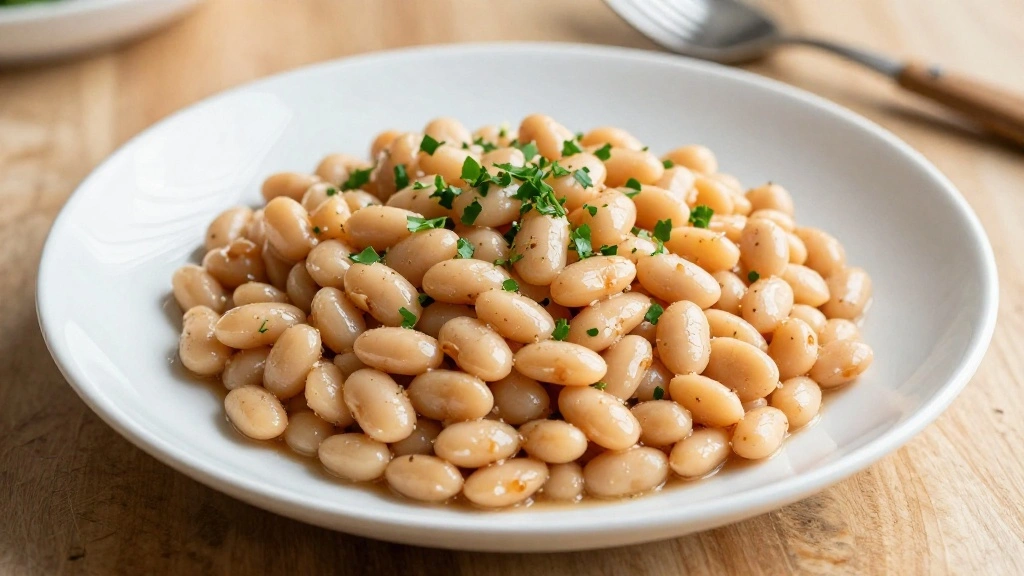


This classic White Bean Skillet Dinner brings together the rustic charm of hearty beans with the vibrant flavors of Mediterranean cuisine.
The harmonious balance of savory herbs and tangy tomatoes creates a memorable dining experience that will have everyone asking for your secret.
I discovered this recipe during my travels through the southern regions of France, where local chefs have perfected it through generations of careful refinement.
Whether you’re preparing a casual family dinner or hosting a special celebration, this White Bean Skillet delivers impressive results with straightforward preparation.
The History and Cultural Significance
• White Bean Skillet traces its origins to the Mediterranean region, where it was originally created by farmers as a hearty, one-pot meal.
• The dish evolved over decades as ingredients like tomatoes and herbs were introduced, eventually becoming the beloved version we know today.
• In French culture, this dish traditionally appears at family gatherings, symbolizing warmth and togetherness.
• While many variations exist across different regions, the authentic version maintains a savory, herb-infused flavor that sets it apart from imitations.



Recipe Overview
Nutritional Information (per serving)
Essential Equipment Guide
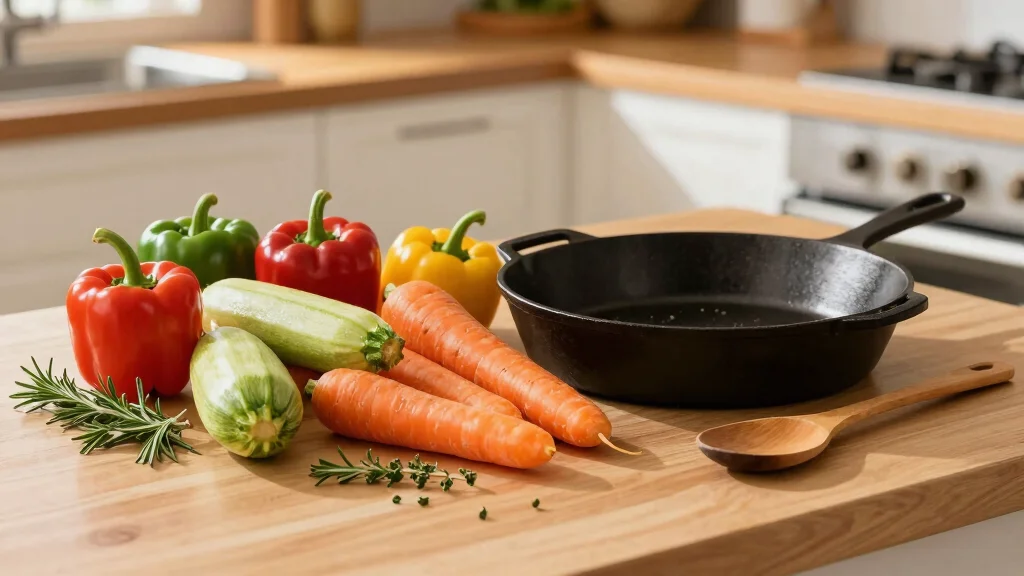
Cast Iron Skillet: A cast iron skillet is crucial for achieving even cooking and developing a flavorful crust on the beans. If you don’t have one, a heavy-bottomed stainless steel skillet can work, but look for one with good heat retention.
Wooden Spoon: Using a wooden spoon helps prevent scratching your skillet and allows gentle stirring to preserve the beans’ integrity. If unavailable, a silicone spatula is a good alternative.
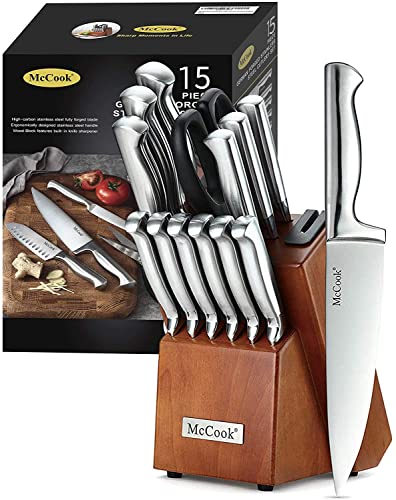
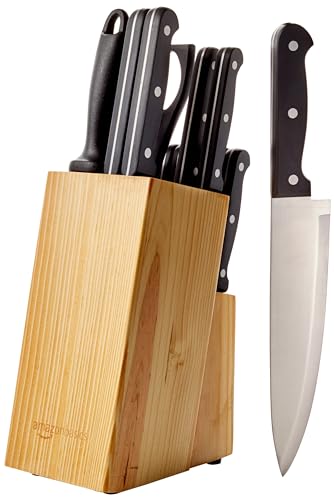
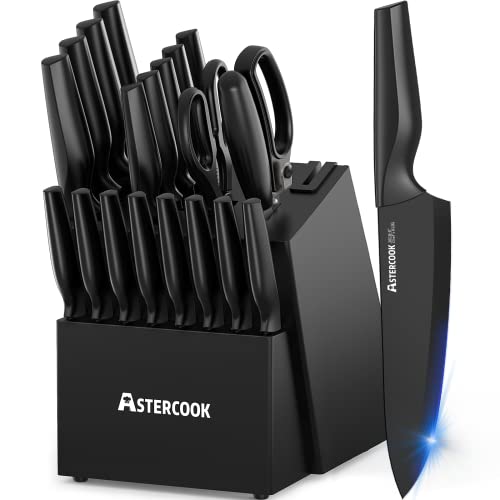
Chef’s Knife: A sharp chef’s knife is essential for efficiently chopping vegetables, ensuring uniformity for even cooking. Alternatives include a Santoku knife, but ensure it is sharp and well-balanced.
Ingredients
For the Base
|
|
| Amount | Ingredient | Notes |
|---|---|---|
| 2 tablespoons | olive oil | for sautéing |
| 1 large | onion | finely chopped |
| 2 cloves | garlic | minced |
Vegetables
| Amount | Ingredient | Notes |
|---|---|---|
| 1 large | red bell pepper | diced |
| 2 cups | cherry tomatoes | halved |
Seasonings
| Amount | Ingredient | Notes |
|---|---|---|
| 1 teaspoon | dried thyme | adds earthy flavor |
| 1 teaspoon | dried oregano | enhances aroma |
| 1 teaspoon | salt | enhances flavor |
| 1/2 teaspoon | black pepper | adds a hint of spice |
Beans
| Amount | Ingredient | Notes |
|---|---|---|
| 2 cans | white beans | drained and rinsed |
Herbs
| Amount | Ingredient | Notes |
|---|---|---|
| 1/4 cup | fresh parsley | chopped, for garnish |
Preparation Methods
Sautéing Vegetables: Sautéing involves cooking vegetables in a small amount of oil over medium-high heat to soften them and enhance their flavors. This technique is essential for building the base of the dish, and mastering it involves constant stirring to prevent burning.
Deglazing: Deglazing is the process of adding liquid to a hot pan to loosen and dissolve food particles stuck to the bottom. This technique is crucial for incorporating rich flavors into the dish, typically using broth or wine.
Simmering: Simmering involves cooking food gently in liquid at a temperature just below boiling. For this dish, it ensures the beans absorb flavors while maintaining their structure.




Step 1: Prepare Ingredients
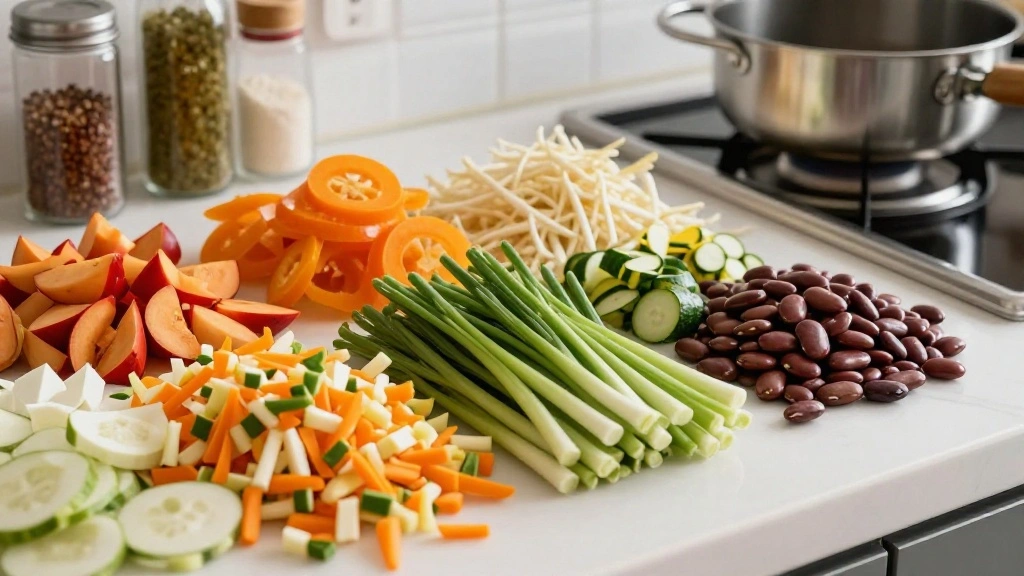
Gather all your ingredients and equipment before starting.
Chop the onion, garlic, and red bell pepper as specified.
Drain and rinse the white beans thoroughly.
Ensure all seasonings and herbs are measured out and ready to use.
Step 2: Heat the Skillet
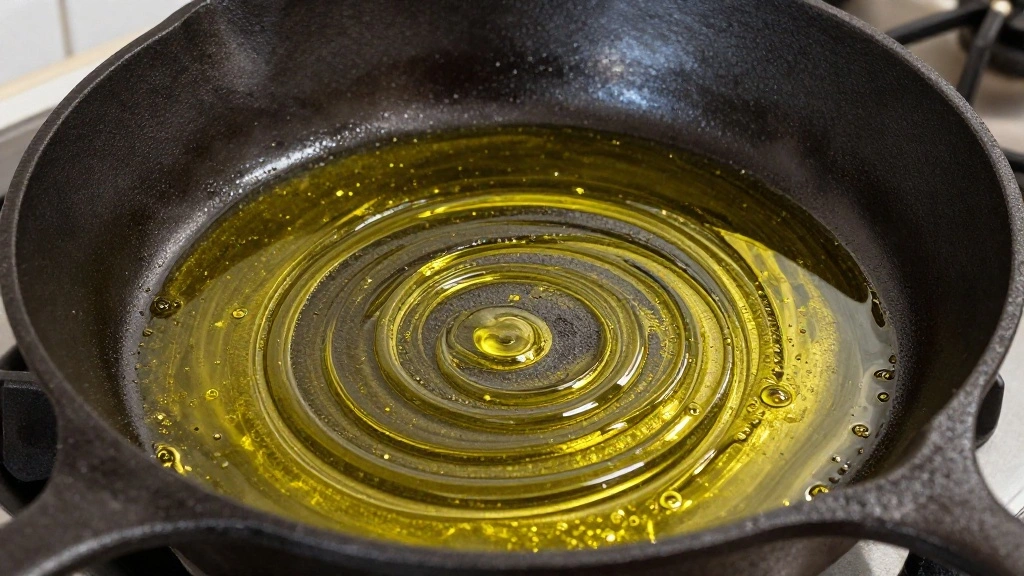
Place the cast iron skillet on the stove and add olive oil.
Heat the oil over medium-high heat until it shimmers.
Ensure the oil is evenly distributed across the skillet.
This step is crucial for preventing vegetables from sticking.
Step 3: Sauté the Vegetables
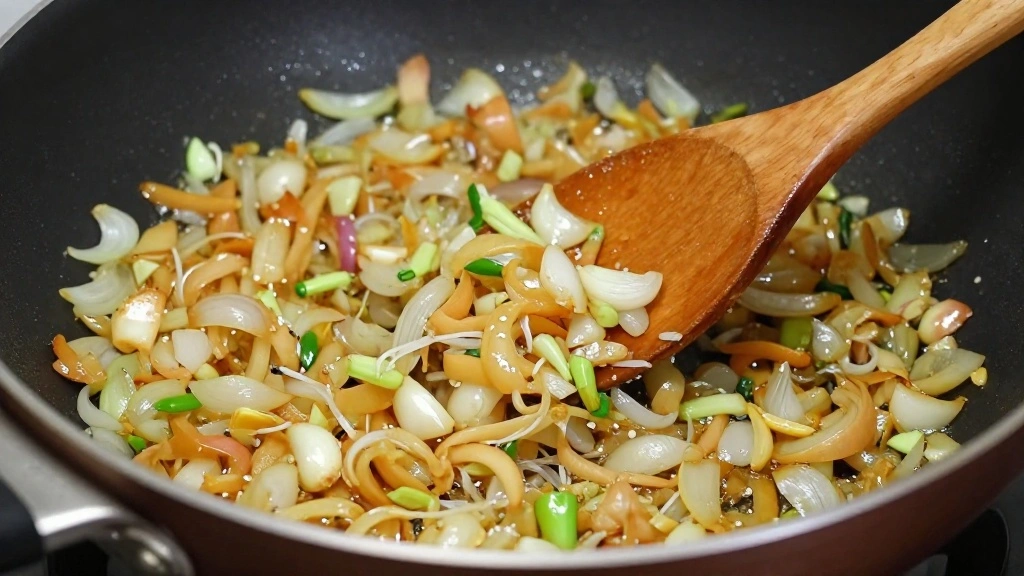
Add the chopped onion and minced garlic to the skillet.
Sauté them for about 3-4 minutes until they become translucent and fragrant.
Stir constantly to prevent burning and ensure even cooking.
Once softened, add the diced red bell pepper.
Step 4: Add Tomatoes and Seasonings
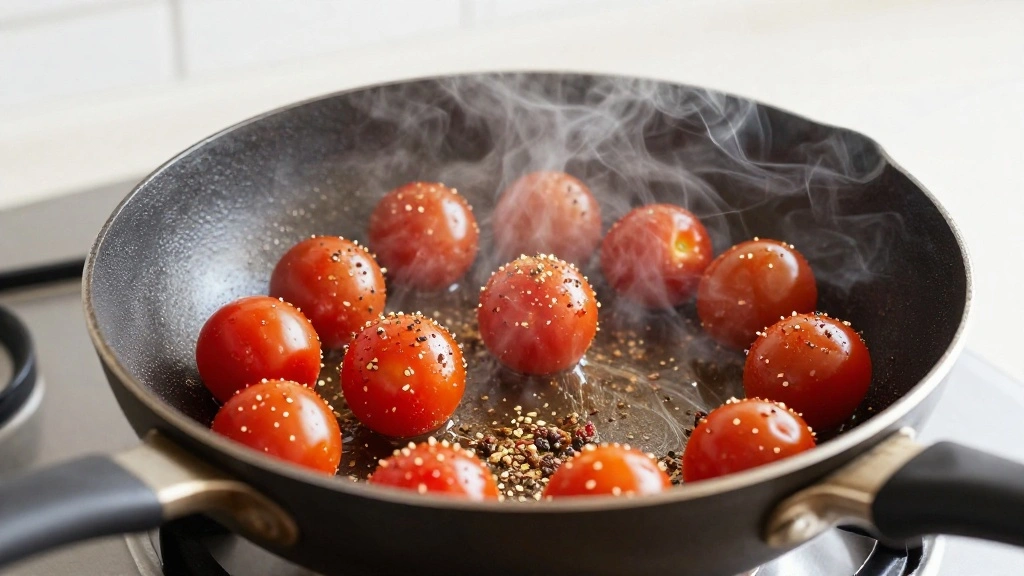
Add the halved cherry tomatoes to the skillet.
Sprinkle in the dried thyme, oregano, salt, and black pepper.
Stir the mixture to combine all the flavors.
Cook for another 5 minutes until the tomatoes start to break down.
Step 5: Deglaze the Skillet
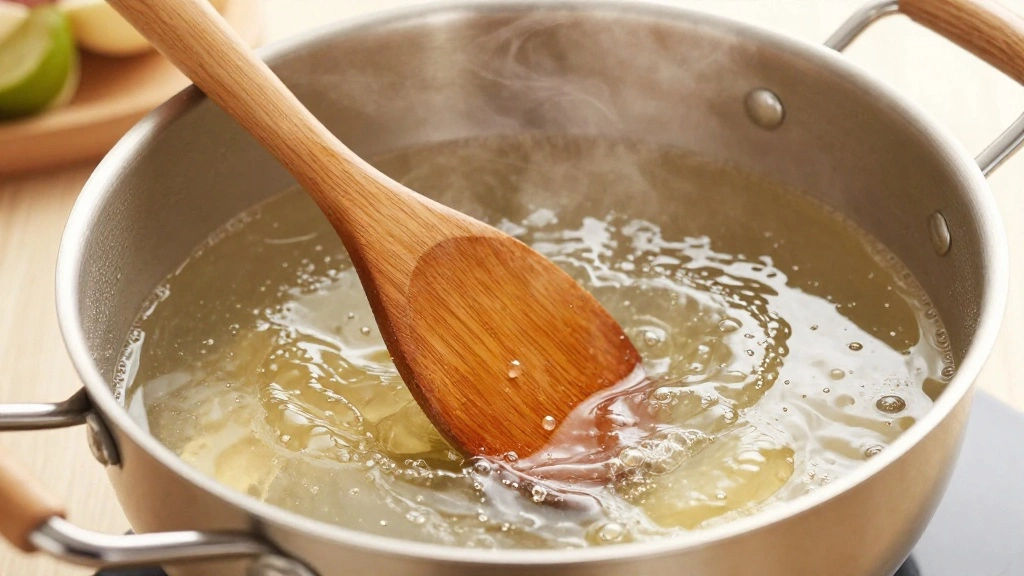
Pour a splash of broth or water into the skillet.
Use a wooden spoon to scrape up any browned bits from the bottom.
This deglazing step adds depth to the dish's flavor.
Let the liquid reduce slightly.
Step 6: Add the White Beans
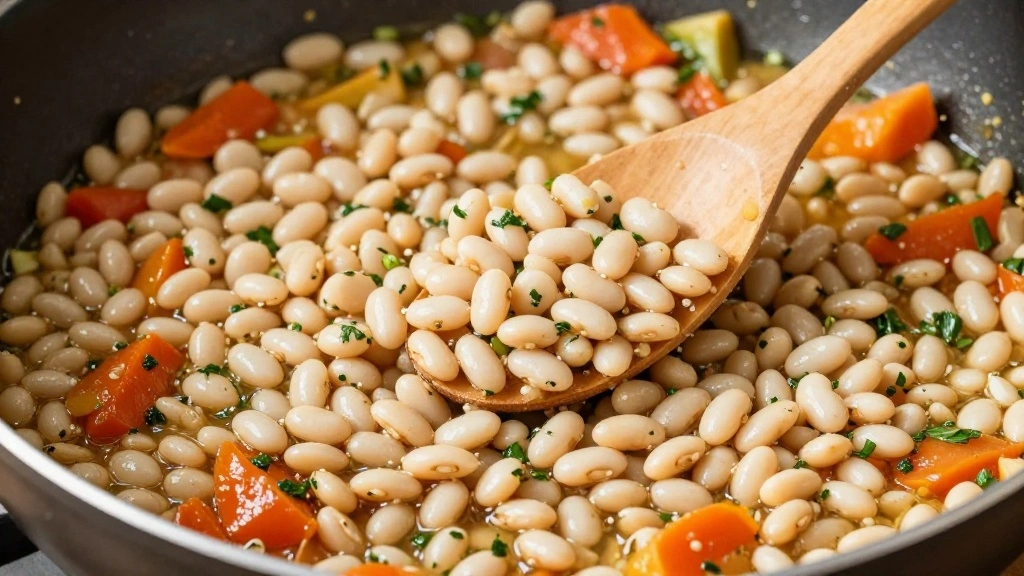
Gently add the drained white beans to the skillet.
Stir them carefully to coat with the vegetable mix.
Ensure the beans are evenly distributed throughout the skillet.
Cook for about 10 minutes, allowing flavors to meld.
Step 7: Simmer the Mixture
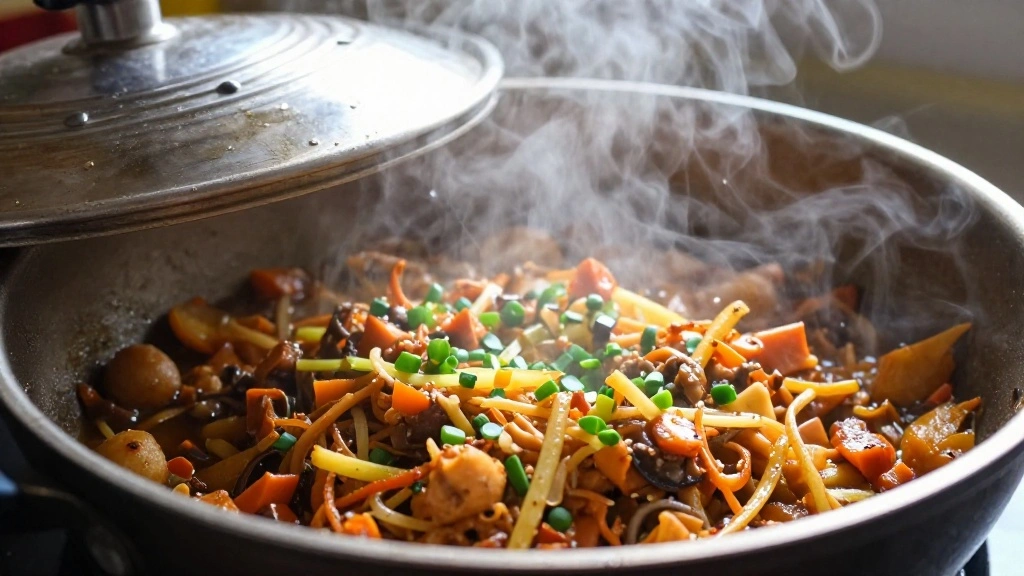
Reduce the heat to low and let the mixture simmer.
Cover the skillet partially to retain moisture.
Simmer for another 10 minutes until the beans are heated through and flavors are well combined.
Stir occasionally to prevent sticking.
Step 8: Garnish and Serve
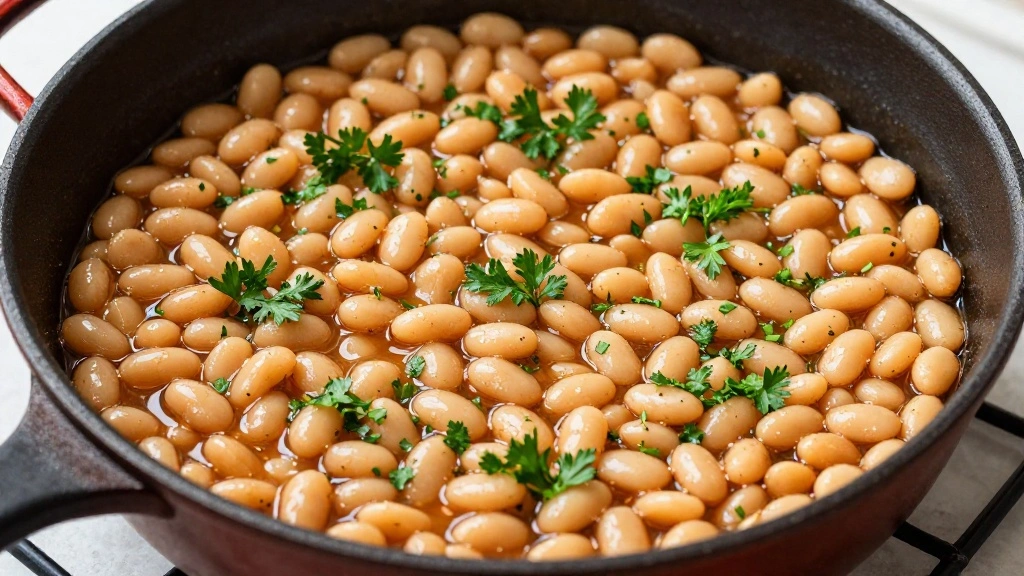
Remove the skillet from heat and sprinkle fresh parsley over the top.
Let the dish rest for a few minutes to enhance flavors.
Serve the White Bean Skillet directly from the pan for a rustic presentation.
Enjoy your meal with crusty bread or a side salad.
Critical Timing and Temperature Guide
Sautéing Vegetables: Cook over medium-high heat for 3-4 minutes. Vegetables should be translucent and fragrant. Avoid browning too quickly to prevent bitterness.
Simmering Beans: Maintain a gentle simmer at low heat for 10 minutes. Beans should be tender but not mushy. Stir occasionally to ensure even cooking.
Final Garnishing: Allow the dish to rest for at least 5 minutes after removing from heat. This allows flavors to settle and intensify before serving.
Pro Tips for White Bean Skillet
• Ingredient Selection: Choose high-quality canned white beans and fresh herbs for the best flavor and texture.
• Preparation Secret: Allowing the beans to sit in the skillet after cooking helps absorb more flavors, enhancing the dish.
• Temperature Management: Ensure the skillet is properly heated before adding vegetables to achieve the perfect sauté.
• Texture Enhancement: Stir gently when adding beans to maintain their structure and avoid a mushy texture.
• Flavor Layering: Build flavors by adding seasonings gradually, adjusting to taste as you cook.
• Make-Ahead Strategies: Prepare the vegetable base a day in advance and store it in the refrigerator. Add beans and heat before serving.
• Restaurant-Quality Finishing Touches: Drizzle with high-quality olive oil before serving for added richness and shine.
• Equipment Optimization: Use a well-seasoned cast iron skillet to prevent sticking and enhance flavor.
Troubleshooting Common Issues
• Flavor Too Bland: This can occur if seasonings are not added gradually. Taste and adjust seasonings throughout cooking to enhance flavor.
• Beans Too Mushy: Overcooking or stirring too aggressively can break down beans. Stir gently and monitor cooking time.
• Vegetables Sticking: Ensure the skillet is properly preheated and use sufficient oil to prevent sticking.
• Inconsistent Texture: Unevenly chopped vegetables can lead to inconsistent texture. Aim for uniformly sized pieces.
• Flavors Unbalanced: If the dish tastes too acidic, balance it with a pinch of sugar or more herbs.
Variations and Regional Differences
• Italian Version: Includes rosemary and pancetta for a richer, more aromatic flavor profile.
• Spanish Style: Adds smoked paprika and chorizo for a spicy twist, often served with crusty bread.
• Provencal Twist: Incorporates olives and capers for a briny addition, reflecting the flavors of Provence.
• Greek Inspiration: Features lemon juice and dill, providing a fresh and tangy variation.
Food Science Behind the Recipe
• Maillard Reaction: This chemical reaction occurs during sautéing, creating complex flavors and aromas as vegetables brown.
• Emulsification: The process of combining oil and tomato juices creates a cohesive sauce that coats the beans, enhancing flavor distribution.
• Heat Transfer: Understanding how cast iron retains and distributes heat helps achieve even cooking and prevents burning.
Frequently Asked Questions
What's the most common mistake people make when preparing White Bean Skillet? Overcooking the beans, which can lead to a mushy texture. Stir gently and monitor cooking times closely.
Can I use dried beans instead of canned? Yes, but they must be soaked and fully cooked beforehand, which will increase preparation time.
How can I make this dish vegan? Ensure the broth used for deglazing is vegetable-based, and double-check all seasonings are plant-based.
What are the best beans to use? Cannellini or Great Northern beans work best due to their creamy texture and ability to absorb flavors.
Can this dish be frozen? Yes, allow it to cool completely before storing in airtight containers for up to three months.
How do I prevent the dish from being too watery? Ensure a partial cover during simmering to allow excess moisture to evaporate.
What side dishes pair well with White Bean Skillet? A crusty baguette or a light green salad complements the flavors nicely.
Serving and Presentation Guide
• Traditional Presentation: Serve directly from the skillet, garnished with fresh parsley and a drizzle of olive oil.
• Family Style: Transfer to a large, shallow serving dish for easy sharing at the table.
• Individual Plates: Portion onto plates with a side of crusty bread or a small salad for a more formal presentation.
• Rustic Charm: Accompany with a wooden serving spoon and a side of marinated olives for added authenticity.


Conclusion
This White Bean Skillet Dinner is a delightful blend of simplicity and flavor, perfect for any occasion.
With its rich history and easy preparation, it’s a dish that brings warmth and satisfaction to your table.
Try this recipe today and experience the comforting flavors of the Mediterranean in every bite.